You have seen them on clocks, in book chapters, and at the end of film titles. Your child has probably pointed at a clock and asked, “What does XII mean?” At that moment, you realise Roman numerals still live around us. Yet many parents hesitate because they remember memorising them without truly understanding the logic.
When you understand the structure behind Roman numerals, everything becomes simple. You do not need rote learning. You need patterns. Once your child understands those patterns, roman counting 1 to 100 becomes an enjoyable learning milestone rather than a confusing task.
In this guide, you will explore Roman numerals clearly and logically. You will learn how to teach roman numbers 1 to 50, how the system extends to 100, what rules matter most, and how you can support your child confidently at home.
What Are Roman Numerals? Understanding the Roman Number System
Roman numerals began in ancient Rome. People used letters from the Latin alphabet to represent numbers. Unlike the modern number system that uses digits from 0 to 9, Romans built numbers using combinations of letters.
You only need to know seven basic symbols:
I equals 1
V equals 5
X equals 10
L equals 50
C equals 100
D equals 500
M equals 1000
For your child’s early learning, the focus usually stays between 1 and 100. That means I, V, X, L, and C matter most.
The Roman number system follows two simple ideas. First, when a smaller number comes after a bigger number, you add. For example, VI means 5 plus 1, which equals 6. Second, when a smaller number comes before a bigger number, you subtract. For example, IV means 5 minus 1, which equals 4.
Once your child understands these two ideas, Roman numerals stop feeling mysterious. They start feeling logical.
Read More – Fun Number Activities for Preschool & Kindergarten
Roman Numbers 1 to 50 Explained Step by Step
When you teach roman numbers 1 to 50, you should begin with small groups instead of presenting a long chart.
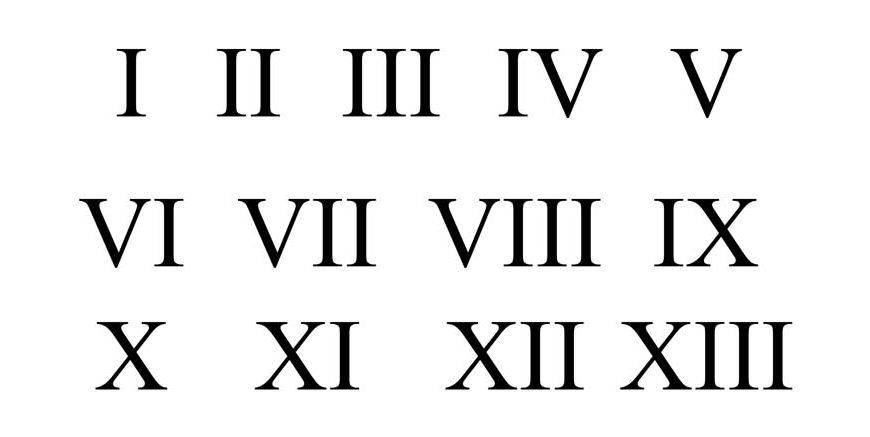
Start with 1 to 10.
1 is I
2 is II
3 is III
4 is IV
5 is V
6 is VI
7 is VII
8 is VIII
9 is IX
10 is X
At this stage, your child notices repetition and simple addition. The pattern feels familiar.
Now move to the tens. Roman numerals build numbers by stacking symbols carefully.
20 becomes XX
30 becomes XXX
40 becomes XL
50 becomes L
Notice something important. The symbol X represents 10. When you write it twice, you get 20. When you write it three times, you get 30. However, Roman numerals never repeat the same symbol more than three times in a row. That is why 40 becomes XL instead of XXXX. You place X before L to subtract 10 from 50.
When you guide your child through these patterns, they start recognising structure instead of memorising isolated facts. That recognition builds confidence.
Roman Counting 1 to 100: Recognising Clear Patterns
Once your child understands numbers up to 50, extending learning to roman counting 1 to 100 feels natural.
60 becomes LX
70 becomes LXX
80 becomes LXXX
90 becomes XC
100 becomes C
Look closely at the structure.
For 60 to 69, you combine L, which equals 50, with X, which equals 10, and then add units.
For example:
65 becomes LXV
68 becomes LXVIII
For 90, the pattern shifts slightly. Instead of writing LXXXX, you use XC. You place X before C to subtract 10 from 100.
This logical framework makes Roman numerals predictable. When children recognise that decades follow a structure, they approach larger numbers without fear.
The Three Core Rules You Must Teach Clearly
Children learn Roman numerals faster when you explain the rules simply and consistently.
First, a smaller symbol after a larger symbol means addition. For example, VIII equals 5 plus 3.
Second, a smaller symbol before a larger symbol means subtraction. For example, IX equals 10 minus 1.
Third, you never repeat I, X, or C more than three times in a row. You never repeat V or L at all.
When you teach these rules early, your child avoids confusion later. Clarity builds accuracy.
Common Mistakes and How You Can Prevent Them
Children often repeat symbols too many times. For example, they might write IIII instead of IV. This happens because repetition feels easier than subtraction.
Some children also mix up the placement of symbols. They might write IC instead of XCIX for 99. You can correct this by reminding them that only I, X, and C work in subtraction, and only in specific positions.
Practice helps. Encourage your child to read Roman numerals aloud and convert them into standard numbers. Regular exposure strengthens retention.
Read More – Real Numbers: Chart, List, Properties
Fun Ways to Teach Roman Numerals at Home
Children remember concepts better when they connect them to real life. You can start with a wall clock that uses Roman numerals. Ask your child to identify numbers every day. This activity builds recognition naturally. You can also create flashcards with Roman numerals on one side and standard numbers on the other. Short daily practice sessions work better than long lessons. When your child reads storybooks, point out chapter numbers written in Roman numerals. This habit strengthens contextual learning. Games such as matching cards or quick quizzes keep learning playful. When children enjoy the process, they learn faster.
Why Roman Numerals Strengthen Early Maths Skills
Roman numerals improve more than counting skills. They strengthen pattern recognition and analytical thinking.
When your child compares the Roman number system with the Hindu Arabic system, they learn that numbers can exist in different formats. This flexibility supports deeper mathematical understanding.
Research in early childhood education highlights that exposure to multiple number representations enhances number sense and cognitive development. The UK National Curriculum also introduces Roman numerals in primary stages to build foundational numeracy skills. When you guide your child patiently, you build both competence and confidence.
Where Your Child Sees Roman Numerals in Everyday Life
Roman numerals surround your child more often than you think.
You see them on analogue clocks.
You notice them in monarch names such as King Charles III.
You spot them in major sporting events like the Olympic Games.
You find them in book chapters and film sequels.
When your child recognises Roman numerals in daily life, learning feels meaningful. Real world connection strengthens memory.
Conclusion
Children thrive when they learn in an environment that values curiosity and structured exploration. When you introduce Roman numerals through patterns, practice and play, you create a stress free learning experience.
If you want your child to build strong foundational skills in numeracy and logical thinking, you should choose an early learning environment that prioritises concept clarity.
At EuroKids, you can explore programmes designed to strengthen early maths skills while nurturing creativity and confidence. Visit the EuroKids Admissions page to understand how structured early education supports your child’s growth. You can also explore the EuroKids Blog section for practical learning tips and expert backed parenting insights.
EuroKids follows the Heureka Curriculum, which nurtures curiosity and builds strong conceptual foundations in early maths learning.
When you invest in the right start, you empower your child for lifelong learning success.
Frequently Asked Questions
1. Why should children learn Roman numerals today?
Roman numerals still appear in daily life on clocks, events and books. Learning them strengthens number sense and pattern recognition.
2. What is the easiest way to teach roman numbers 1 to 50?
Start with 1 to 10. Focus on patterns rather than memorisation. Gradually introduce tens and subtraction rules.
3. How can my child remember roman counting 1 to 100 easily?
Encourage daily practice through clocks, flashcards and reading activities. Consistent exposure builds retention.
4. At what age should children start learning Roman numerals?
Most children begin learning Roman numerals in primary school between ages 6 and 8, depending on curriculum guidelines.
5. What are the most common mistakes in Roman numerals?
Children often repeat symbols too many times or misplace subtraction symbols. Clear rule explanation prevents these errors.