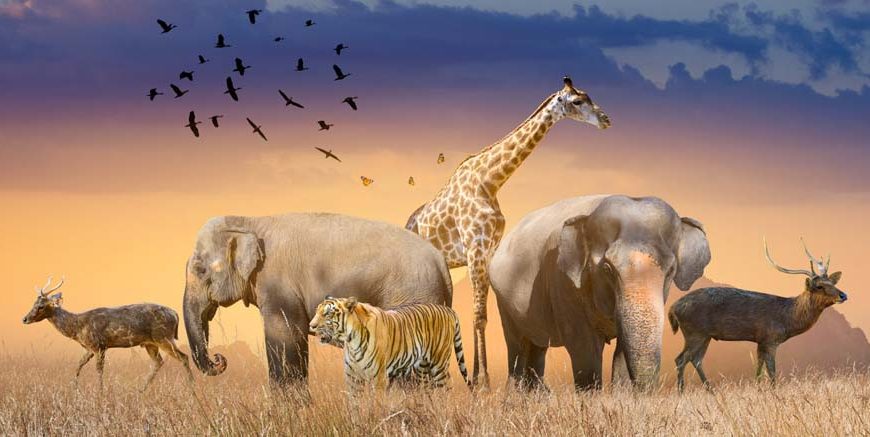
Imagine opening a picture book with your child ten years from now, pointing to a majestic tiger or a gentle giant panda, and having to explain that these creatures no longer walk the Earth. It is a heartbreaking thought, yet it is a reality we are inching closer to every single day. As parents, we often focus on teaching our children their ABCs and 123s, but there is a crucial lesson that often gets overlooked until it is too late.
That lesson is about conservation and the fragile state of our wildlife. You have the power to shape the next generation of eco-warriors who will protect our planet. The genuine problem is not just a lack of awareness; it is a lack of connection. We need to bridge the gap between the cartoons our kids watch and the real, struggling animals in the wild.
By teaching them the names of endangered animals, you are not just adding to their vocabulary; you are planting seeds of empathy and responsibility that will grow with them. This blog will guide you through the difficult but necessary conversations about extinction, offering you the tools to explain complex concepts in simple, impactful ways that resonate with young minds.
What is the Meaning of Endangered?
To start this journey, you must first answer a fundamental question your child might ask: what is the meaning of endangered? It is a big word that carries a heavy weight. In simple terms, an animal is endangered when there are very few of them left in the wild. You can explain it to your child by asking them to imagine a jar of their favourite sweets.
If they eat them all without putting any back, eventually the jar will be empty, and those sweets will be gone forever. This is what is happening to certain animals. They are in danger of disappearing completely from our planet, a state we call extinction.
When scientists classify a species as endangered, it is a red alert for humanity. It means that unless we take immediate and drastic action, we might lose that species within our lifetime. This classification is not just a label; it is a desperate call for help. For a child, understanding this concept helps them realise that nature is not infinite. It teaches them that living things are precious and can run out if we do not protect them. By grasping what is the meaning of endangered, children learn to value the presence of every creature, from the smallest frog to the largest whale, understanding that each one plays a vital role in the web of life.
Read More – Domestic Animal Names in English for Kids
What Do You Mean by Endangered Animals?
Moving deeper into the topic, you might face the follow-up query: what do you mean by endangered animals in a practical sense? This goes beyond just numbers. It involves understanding why they are in trouble. You can explain that these animals are losing their homes because humans are cutting down forests to build cities and farms. Imagine if someone came and took away your house; you would have nowhere to live and nothing to eat. This is exactly what is happening to wildlife. Factors like pollution, climate change, and hunting also play a massive role.
When we discuss what do you mean by endangered animals, we are talking about species that are fighting a daily battle for survival against odds that humans have stacked against them. It is important to communicate that this is not the animal’s fault. They are strong and resilient, but they cannot compete with bulldozers and plastic waste.
This perspective shifts the narrative from pity to action. It empowers children to see that their choices, like recycling paper or not using single-use plastics, can actually help save these animals’ homes. It turns a scary concept into a lesson on cause and effect, showing them that their positive actions can help reverse the damage and give these animals a fighting chance.
Spotlight on Endangered Animals in India
For families living in or connected to India, the crisis is happening right in our backyard. There are numerous endangered animals in india that need our immediate attention. The most iconic among them is the Royal Bengal Tiger. Once roaming in the thousands, their numbers have dwindled due to poaching and habitat loss, although conservation efforts are slowly helping them recover. Then we have the Indian Rhinoceros, famous for its single horn, which is found mostly in the grasslands of Assam. These creatures are often hunted for their horns, which some people mistakenly believe have magical properties.
Another critical species is the Great Indian Bustard, a bird that looks like an ostrich and is now critically endangered with fewer than 150 left in the wild. We also cannot forget the Lion-tailed Macaque, a distinct monkey found in the Western Ghats, and the Ganges River Dolphin, which is struggling to survive in polluted waters. Teaching your children about endangered animals in india makes the problem relatable and local. It is not just happening in a faraway land; it is happening here. This local context fosters a sense of national pride and guardianship. You can show them photos of endangered animals from India to help them recognise and appreciate the unique biodiversity of their own heritage.
Read More – List of Animals That Live On Land And Water
Learning the Names of Endangered Animals Globally
While local knowledge is vital, we share this planet with creatures from all corners of the globe. Learning the names of endangered animals from different continents helps children understand that this is a worldwide crisis. You can introduce them to the Giant Panda of China, which eats bamboo and has faced habitat destruction for decades. Then there is the Polar Bear in the Arctic, whose icy home is melting due to global warming. These stories help children connect the dots between their actions, like saving electricity, and the survival of animals thousands of miles away.
Other important names of endangered animals include the Black Rhino of Africa, the Orangutan of Borneo, and the Blue Whale, the largest animal to ever live. Each of these animals faces unique threats, but they all share the same fragile status. By learning these names, children build a global vocabulary of nature. It expands their worldview and helps them realise that they are citizens of a global ecosystem. When you look at photos of endangered animals together, pause and ask your child what they see. Do the animals look sad? Do they look strong? This visual connection reinforces the names and makes the learning experience memorable and emotional.
Read More – Wild Animals for Kids: Facts and Safety Tips
The Big List: Five Endangered Animals to Know
To make this vast topic manageable for a young mind, it helps to focus on a few key examples. Here are five endangered animals that every child should know about, along with a brief story for each to make them memorable.
- The Snow Leopard: Often called the “Ghost of the Mountains,” this beautiful big cat lives in the cold, high ranges of the Himalayas. They are hunted for their fur and are losing their prey. They are shy and solitary, making them hard to spot and harder to protect.
- The Sea Turtle: Specifically the Hawksbill Turtle. These ancient mariners travel across oceans but face dangers from plastic pollution and fishing nets. They often mistake plastic bags for jellyfish, their favourite food, which makes them very sick.
- The Gorilla: Mountain Gorillas are our close relatives in the animal kingdom. They live in the forests of Africa and are threatened by mining and deforestation. They are gentle giants who live in close-knit families, much like us.
- The Vaquita: This is the world’s rarest marine mammal. It is a small porpoise found only in the Gulf of California. There are likely fewer than 10 left in the entire world, making them the most critical inclusion on any list of five endangered animals.
- The Red Panda: These adorable, cat-sized animals live in the Eastern Himalayas. They are losing their nesting trees to logging. They are distinct from giant pandas and are actually considered the original panda.
Connecting with the Heureka Curriculum
At EuroKids, we believe that education should not be confined to textbooks. We follow the Heureka Curriculum, which emphasises “Visible Thinking” and active engagement with the world. This curriculum encourages children to ask “why” and “how” rather than just memorising facts. When we teach about endangered animals, we don’t just show a picture; we encourage children to think about the animal’s habitat, its needs, and the human impact on its life. This approach builds critical thinking and empathy, ensuring that the lessons learned today translate into responsible actions tomorrow.
Read More – GK Questions On Animals & Their Babies for Kids
Conclusion
Teaching your child the names of endangered animals is more than a science lesson; it is a lesson in humanity. It is about instilling a sense of stewardship for the planet we call home. We have the opportunity to raise a generation that does not just watch species vanish but actively works to save them. By discussing what is the meaning of endangered and exploring the lives of creatures like the tiger and the turtle, you are giving your child the gift of awareness.
If you are looking for a learning environment that nurtures this kind of holistic growth and curiosity, we invite you to explore EuroKids Admission for your child. Our centres are designed to foster a love for learning and nature. For more parenting tips and educational resources, do visit the EuroKids Blog. Let us work together to ensure that our children inherit a world that is still wild and wonderful.
Frequently Asked Questions
1. Why are animals becoming endangered?
Animals become endangered mostly because of human activities. We destroy their homes to build cities and farms, which is called habitat loss. Pollution, hunting, and climate change also make it very hard for them to survive.
2. How can kids help endangered animals?
Kids can help by learning the names of endangered animals and telling their friends. They can also reduce waste, recycle paper and plastic, and save water. Small actions like not using single-use plastic straws can help save ocean animals like turtles.
3. Are there any endangered animals in India?
Yes, there are many endangered animals in India. The most famous ones are the Royal Bengal Tiger, the Indian Rhinoceros, the Asian Elephant, and the Great Indian Bustard. They all need our protection.
4. What does “extinct” mean?
Extinct means that a type of animal is gone forever and will never come back. Dinosaurs are extinct. We want to stop endangered animals from becoming extinct by protecting them now.
5. Where can I find photos of endangered animals to show my child?
You can find photos of endangered animals in reliable nature magazines, encyclopaedias, or on websites of conservation organisations like the WWF or National Geographic Kids. These resources often have kid-friendly information.