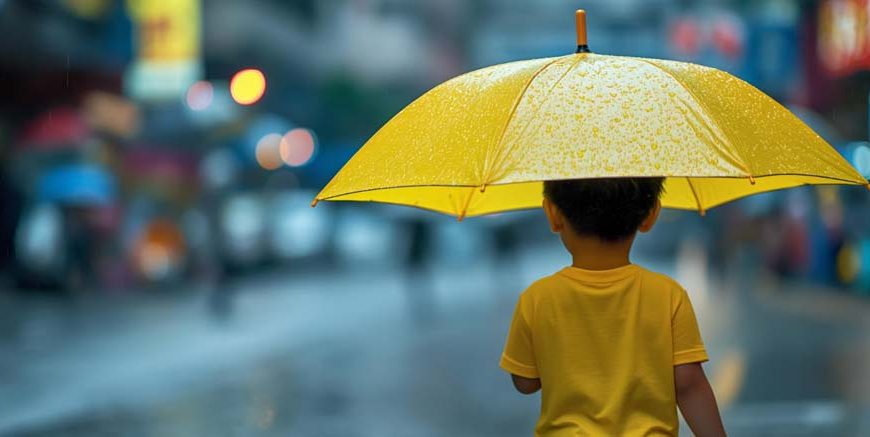
Heavy drops smacking against the windowpane. The sudden, unmistakable smell of wet earth filling the house. When the summer heat finally breaks and the sky turns a deep, bruised purple, the entire neighbourhood changes in a matter of minutes. Roads turn into rivers, and dry gardens transform into squelchy mud baths. To an adult, a heavy downpour usually means traffic jams, ruined shoes, and cancelled plans. But look at the street through the eyes of a five-year-old. The rainy season for kids is basically nature opening up a massive, free water park right outside their front door.
They want to put on their bright yellow rubber boots, grab a brightly coloured umbrella, and jump directly into the deepest puddle they can find. They want to sail tiny paper boats down the gutters and watch the earthworms wriggle out of the soil. It is a brilliant, highly sensory time of year. However, all that glorious mud and water brings a hidden wave of very real dangers. If we want our little ones to enjoy the stormy weather without spending a week in bed with a horrible fever, we need a solid game plan. Let us break down exactly how to navigate the wet months safely.
The Hidden Traps in the Puddles
Before we hand over the wellies and open the front door, we need to talk about exactly what hides in that muddy water. Explaining the environment is the very first step in implementing proper monsoon safety tips for kids.
You cannot just tell a toddler “no” and expect them to listen. You have to explain the ‘why’ in a way their developing brain understands. Tell them that a puddle might look like a fun, tiny swimming pool, but it is actually a tricky trap. That brown water washes everything off the streets, oil from car tyres, animal waste, and millions of tiny, invisible bugs. Furthermore, because the water is so dark, you never know if there is a sharp piece of broken glass, a deep pothole, or an open drain hiding right beneath the surface. Teaching kids to treat deep street puddles like dangerous lava is a brilliant, playful way to keep them safely on the dry pavement.
Read More – Essential reminders for sending kids to school on rainy days
A Quick Checklist of monsoon safety tips
When the storm clouds roll in, the physical environment around your home changes drastically. Things that were perfectly safe yesterday suddenly become major hazards. Here is a handy, highly practical list of monsoon safety tips you need to enforce immediately:
- Avoid the metal poles: Water and electricity are a completely deadly combination. Teach your children to never, ever touch wet lampposts, metal fences, or hanging electrical wires while walking down the street.
- Ditch the heavy clothes: If they are going out in the damp weather, dress them in light, breathable cotton. Heavy fabrics take ages to dry. Sitting around in damp, cold clothes is a guaranteed fast track to a nasty chest cold.
- Look out for the slimy green moss: Pavements and stone steps grow incredibly slippery algae after a few days of constant rain. Remind your kids to walk like careful penguins, taking small, flat steps rather than running wildly.
- Clear the garden traps: After a heavy downpour, do a quick sweep of the garden. Empty out any old buckets, unused flower pots, or old tyres. Stagnant rainwater is the absolute favourite breeding ground for nasty mosquitoes.
Read More – Teaching Kids About Weather and Seasons
Mastering the Art of monsoon hygiene
You can put them in the most expensive raincoat money can buy, but if their internal defences are weak, the seasonal bugs will still catch them. Nurturing strict monsoon hygiene at home is your absolute best defence against the dreaded seasonal flu.
Kids love touching everything. They will pick up a wet leaf, pet a damp stray dog, and then immediately stick their fingers in their mouths. You have to intercept this. The absolute golden rule of the wet season is aggressive hand washing. Before they eat a single biscuit, they must scrub their hands with warm water and soap.
You also need to heavily monitor what goes into their tummies. The damp air makes food spoil incredibly fast. Swap the raw, cold salads for hot, freshly cooked meals. Give them warm soups filled with garlic and ginger to naturally boost their tiny immune systems. Make sure their drinking water is properly boiled and filtered, as local water supplies frequently get contaminated during heavy floods. Explain to them that the warm, wet weather is a giant playground for tiny, invisible germs, and eating hot food is exactly how we fight them off.
Learning Through the Storm
Instead of locking the doors and staring miserably at the television until October, use the weather as a massive teaching tool. When children understand how the physical world works, they naturally learn to respect it rather than fear it.
Ask them where they think the frogs go when it stops raining. Show them how clouds get so heavy that they eventually have to drop the water back down to the earth. This hands-on, deeply inquisitive approach perfectly matches the core philosophy of the Heureka Curriculum. We want children asking brilliant, messy questions about their environment. By actively exploring the science behind the thunderstorm, you turn a scary afternoon of loud thunder into an exciting, real-world biology lesson right in your living room.
Read More – Exciting Monsoon Activities for Kids
Conclusion
It is a deeply thought-provoking reality that our attitude completely shapes how our children experience the world. If we constantly complain about the mud, panic over the wet floors, and drag them angrily out of the rain, they will grow up hating the season entirely. But if we equip them with the right knowledge, zip up their waterproof coats, and teach them how to navigate the hazards safely, we give them absolute freedom. Childhood is incredibly brief, and missing out on the pure joy of stomping in a muddy puddle is a terrible shame. Setting clear boundaries allows them to explore the wild, wet world fearlessly. To discover more practical parenting hacks and explore how we actively nurture brave, curious learners every single day, read the latest articles on the EuroKids Blog and secure their vibrant educational journey today via EuroKids Preschool Admission.
FAQs
Why do kids get sick so easily when the weather changes?
The sudden, drastic drops in temperature weaken a child’s natural immune system, while the heavy dampness in the air creates the absolute perfect breeding ground for airborne viruses and nasty bacteria to spread quickly.
Is it safe to let my child play in the rain right outside our house?
Yes, a quick splash in clean, falling rainwater is usually totally fine! Just ensure there is no lightning, keep them away from flooded street gutters, and put them in a warm, dry bath the absolute second they come indoors.
What kind of footwear is actually best for the wet months?
Avoid canvas trainers or leather sandals completely, as they soak up dirty water and take days to dry. Stick entirely to closed-toe, brightly coloured rubber boots with thick, grippy soles to prevent nasty slips and falls on wet pavements.