

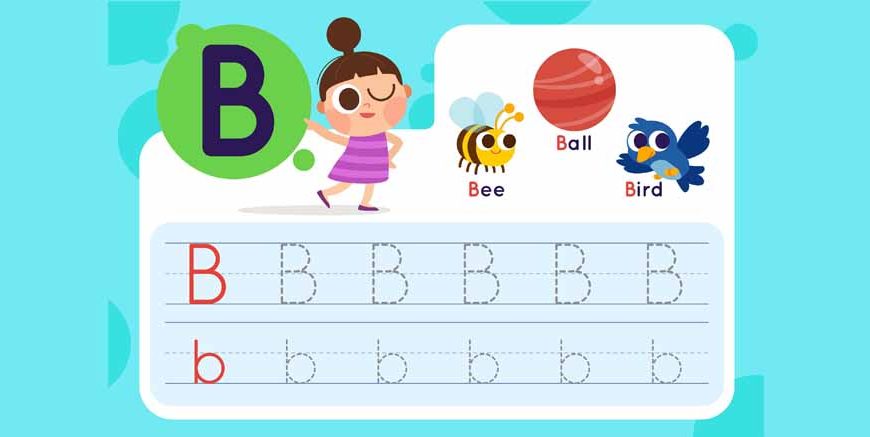
Beginner readers manage three-letter words without much fuss because sounding out words like “bat”, “bed”, or “bus” feels direct. But the moment classroom readers introduce four-letter words, children panic. They see an extra letter, guess wild words from memory, and stop decoding the actual text. If parents react by getting angry, issuing warnings, or forcing an exhausted child to write fifty spellings before dinnertime, reading turns into an evening argument. Working step by step through 4 letter words starting with b solves this learning block by giving young students an easy bridge between nursery phonics and primary school reading fluency.
Why Four-Letter Words Challenge Young Minds
Moving past three-letter CVC patterns is a huge jump for a young child’s brain. In three-letter words, every letter usually gets its own clear sound.
With four letter words that start with b, the structure shifts. Words suddenly introduce double vowels, silent letters, and blends where two consonants sit together without a vowel in between. In a word like “bark”, the letters R and K produce a combined sound that confuses children who try to pronounce each letter separately.
Helping your child read 4 letter words with b teaches them to look at the complete shape of a word. When a child learns how the final letter changes the whole pronunciation, they stop taking wild guesses based on pictures and begin reading printed sentences with steady confidence.
Read More – List of 2 Letter Words in English for Kids
Everyday 4-Letter Words Starting with B
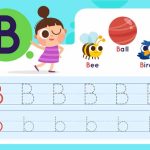
- Ball: A round rubber or leather toy that children bounce on the verandah, throw to friends in the park, or kick during an evening football match.
- Book: A set of printed paper pages bound together inside a colourful cover, filled with stories, poems, or school lessons.
- Bell: A hollow metal cup that makes a clear ringing sound when the school peon rings it for recess, or when visitors press the front door button.
- Bowl: A deep, round ceramic or steel dish used for serving hot vegetable soup, morning cornflakes, or evening curd.
- Bird: An animal covered in soft feathers that has two wings, lays eggs in a twig nest, and flies across the morning sky.
- Bark: The tough, rough outer skin of a tree trunk, or the sharp, loud warning sound an alert stray dog makes at night.
- Bear: A large, heavy wild animal with thick fur, sharp claws, and a short tail that searches for wild honey and fish in mountain forests.
- Bush: A low, dense green plant with several woody stems branching out near the ground, often trimmed along garden paths.
- Bake: Cooking bread, biscuits, or sponge cakes inside a hot oven until they rise, turn brown, and smell sweet.
- Bite: Using sharp front teeth to cut into a crisp red apple, a slice of guava, or a buttered toast point.
- Blow: Pushing air out forcefully through pursed lips to put out birthday candles, cool a spoonful of hot dal, or make soap bubbles.
- Blue: The deep, bright colour of a clear summer afternoon sky or the primary shade painted on city school buses.
Read More – Words That Start With A for Kids
How EuroKids Builds Confident Early Readers
EuroKids centres shape early literacy around this hands-on, practical philosophy. Instead of making young children sit silently on benches copying word lists off a blackboard, classrooms feature bright reading corners, tactile sandpaper letters, and wooden sound blocks. Children trace letter shapes in textured sand trays, read simple picture stories with classmates, and discover new vocabulary during morning circle time. By making phonics an enjoyable part of daily discovery, EuroKids helps little children speak clearly, listen with patience, and step into primary school ready to read independently.
Read More – List of Sight Words in English for Kids
Conclusion
Watching your child read a four-letter word without asking for help is a quiet, proud turning point for any parent. It marks the day when black print on a page stops being a guessing game and becomes real thoughts they can understand and use. Taking ten patient minutes on the rug every evening builds study habits that stay with your child through all their school years. A child who learns to decode words without fear looks at new books with genuine curiosity rather than dread.
To discover more practical parenting guidance and early education insights, explore the EuroKids Blog, and visit your neighbourhood centre to speak with our staff about simple EuroKids Preschool Admission options for your child today.
Frequently Asked Questions
Why do four-letter words feel harder for children than three-letter words?
Four-letter words introduce consonant blends, silent letters, and double vowels, which require children to look at the entire word rather than sounding out letters one by one.
What is the easiest way to help a child decode a four-letter word?
Cover the last two letters with your thumb, have your child sound out the first two letters, then reveal the ending and help them blend both parts together in one breath.
At what age should children learn four-letter words?
Most children begin reading four-letter words between five and six years of age, during senior kindergarten or the start of class one.
How do word families help children with English spelling?
Word families group words that share identical endings, allowing children to read and spell multiple words simply by changing the starting consonant sound.