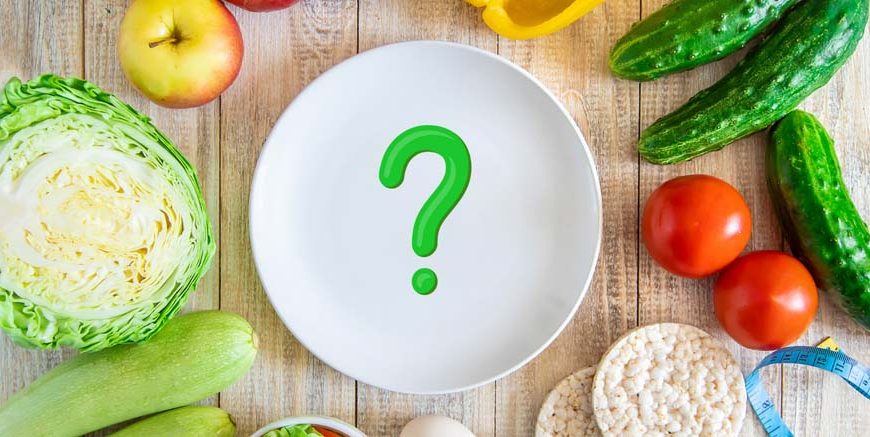
Listen closely right around noon. You might hear a strange, rumbling noise. It isn’t a monster hiding under the bed. It’s a hungry stomach demanding immediate attention! We all get hungry, but when you grab a bright red apple or a warm, buttery slice of toast, do you ever stop to actually look at it? You might wonder, what is food, really?
It sits perfectly on our plates three times a day, yet most of us just chew, swallow, and move on without a second thought. Let’s peel back the layers of our daily meals. We are going to figure out exactly what we are putting into our bodies, why we need it so badly, and how it transforms us.
The Absolute Basics of Human Fuel
If a curious five-year-old tugs your sleeve and asks you for a simple definition of food, how do you answer without sounding like a dusty, boring dictionary?
Think about your favorite battery-powered toy robot. Without a fresh set of batteries, it just sits there on the rug. It can’t flash its lights, make robot noises, or walk across the room. Our bodies are basically incredibly complicated, squishy, walking machines. To find the true food meaning, you just have to look at it as human fuel. It is any physical material, usually coming from plants stretching up from the dirt or animals roaming the earth, that we eat or drink to keep our internal engines running smoothly.
Without it, our batteries drain. We get tired, cranky, and eventually, we completely stop working.
Read More – Healthy Foods for Kids to Gain Weight
Putting on the Science Goggles
Now, let’s imagine putting on a pair of clear safety goggles. If a science teacher asks you to define food from a strict biological standpoint, things get a lot more microscopic and fascinating.
The food definition science relies heavily on chemistry. Every single bite of a crunchy, orange carrot or a piece of grilled chicken contains invisible, magical compounds. We call these hidden treasures nutrients. They aren’t just empty stuff filling up the space in your tummy. We are talking about carbohydrates that give you the instant, buzzing energy to sprint across the playground. We are talking about proteins that act exactly like tiny construction workers, fixing your muscles after a hard day of climbing trees. And yes, even fats, which safely store energy for later while keeping your brain super sharp and focused on your homework.
The Builders Inside You
Eating isn’t just about surviving until the next morning. It is about growing taller, becoming stronger, and staying out of the doctor’s office.
When we talk about the food definition in nutrition, we are looking at how these raw materials physically build a human being from scratch. So, what is the meaning of food when it comes to your overall health? It is a giant, heavy toolbox. When you eat a bowl of dark green spinach or drink a tall glass of cold milk, you are literally handing your body the exact tools it needs. Your body takes the calcium from the milk to build denser, harder bones. It takes the vitamins from the spinach to fight off nasty winter coughs and heal that painful scraped knee you got from falling off your bicycle.
Think about building a house. A house built with weak, rotten twigs will fall down in the wind. A body built with poor nutrition struggles to stay strong when sickness comes around.
More Than Just Fuel
If you were asked to write a creative story about food in English for a school project, you probably wouldn’t just talk about boring vitamins and minerals. You would talk about how a bowl of hot tomato soup feels on a freezing, rainy afternoon. You would describe the sweet, sticky, gooey mess of eating a chocolate chip cookie fresh out of the oven. Food is much more than just biological fuel keeping our hearts beating. It is history. It is family recipes passed down from your grandparents. It is the loud, happy center of every birthday party, holiday feast, and weekend celebration around the entire world. It brings people together around a single table.
Read More – Food Chain Facts for Kids
Summary
Let’s tie all these scattered ideas together into one neat package. Whether you are looking at the scientific breakdown of a vegetable or the pure joy of a shared family pizza night, the meals we consume serve a massive, critical purpose. They power our lungs to breathe deeply, our legs to run fast, and our brains to dream up wild new ideas.
Here is a wild, slightly mind-bending thought to chew on today: the cells inside your body are constantly dying and replacing themselves. This means the physical structure of your heart, your skin, and your very bones is quite literally made out of the meals you ate last month. You are, scientifically speaking, a walking, talking reflection of your breakfast, lunch, and dinner. You become exactly what you eat. Choose your building blocks wisely!
To read more fun and educational articles, check out the EuroKids Blog, and visit our website for details on EuroKids Preschool Admission.
FAQs
What are the main nutrients found in our meals?
The big three are carbohydrates (for quick energy), proteins (for building and repairing muscles), and fats (for long-term energy storage and brain health).
Why do we need vitamins and minerals?
Even though we only need tiny amounts of them, vitamins and minerals act like little shields. They boost our immune system and help our organs do their specific jobs properly.
Does water count as food?
While it doesn’t give us calories or energy, water is an absolute necessity for survival. It helps digest our meals and carries those important nutrients all around our bodies.
Why is junk food considered bad if it gives us energy?
Junk food is full of “empty calories.” It gives you a fast spike of energy from processed sugar, but it lacks the real building blocks (like vitamins and protein) your body actually needs to grow and heal.