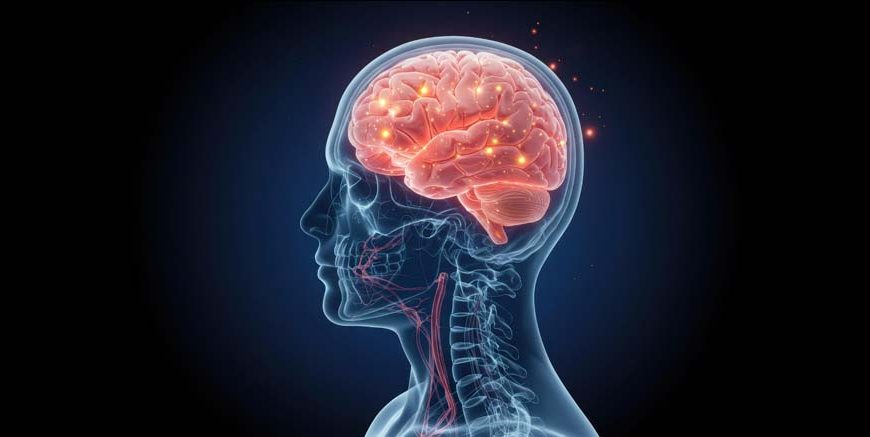
Imagine you are running across a muddy park on a chilly Saturday morning. In a matter of seconds, you are dodging deep puddles, hearing a dog bark in the distance, smelling the damp grass, and feeling the cold wind hitting your cheeks. How on earth does your body manage to process all of that chaotic traffic at the exact same time without completely breaking down?
It does not happen by magic. All of this incredible multitasking is entirely controlled by a wrinkly, grey, and rather mushy organ hiding safely inside your skull. When kids start asking questions about brain power and how their own bodies operate, they are opening the door to the most fascinating biological mystery on the planet. Today, we are going completely under the radar to figure out how this hidden supercomputer actually runs the daily show.
The Ultimate Command Centre
To give kids a proper, easy-to-understand brain explanation, you have to compare it to a demanding but brilliant boss. Imagine a busy corporate office where one manager sits at a massive desk, receiving thousands of urgent telephone calls every single second. This boss has to make split-second decisions and shout orders back down the phone to keep the company running smoothly.
Your head works in the exact same way. It is the ultimate command centre of your entire nervous system. It constantly receives urgent messages from your eyes, ears, skin, and stomach. If you accidentally touch a hot radiator in the hallway, the nerves in your fingertips scream a warning message up your arm, straight up your spinal cord, and into the command centre. The boss instantly registers the danger and fires a message back down to your arm muscles, telling them to pull your hand away immediately. This entire conversation happens in a fraction of a millisecond. It is a brilliant, invisible electrical highway that never experiences a traffic jam.
Read More – Things You Must Know About Your Child’s Growing Brain
Getting into the Squishy Details: what is the brain made up of?
Because it sits securely inside a hard, bony skull, many children naturally assume that the organ itself must be hard, like a piece of solid wood or a heavy rock. The truth is actually quite surprising. If you want to know exactly what is the brain made up of, you need to picture a bowl of thick, wobbly jelly.
It is incredibly soft and squishy. In fact, it is mostly made up of water and a very thick layer of healthy fat. That fat acts as a vital protective cushion and helps the electrical signals travel much faster. But the real magic lies inside the microscopic wiring. The organ is packed tight with roughly 86 billion tiny, specialised cells called neurons. You can think of these neurons as tiny, energetic messengers standing in a massive circle. When you learn how to tie your shoelaces or solve a difficult math puzzle, these messengers shoot tiny electrical zaps to each other, creating permanent bridges. The more you practice tying those laces, the stronger and faster that specific bridge becomes.
Sorting the Departments: Key brain information
This squishy command centre does not just throw all its jobs into one messy pile. It is actually highly organised into distinct, specialised departments. Learning this crucial brain information helps children understand why they can breathe, balance, and think all at the same time without getting confused.
Here is a clear, descriptive list of the three main departments handling the daily chaos:
- The Cerebrum (The Thinking Cap): This is the biggest, wrinkliest part sitting right at the top. It is the creative and logical powerhouse. Whenever you are trying to remember your best friend’s birthday, choosing your favourite colour of paint, or figuring out a tough jigsaw puzzle, you are actively using your cerebrum. It holds your memories, your unique personality, and your ability to speak.
- The Cerebellum (The Balancing Act): Tucked away neatly at the back of your head is a much smaller section. Its absolute main job is keeping you upright. When a child learns how to ride a bicycle without falling over or manages to hop perfectly on one foot across the playground, the cerebellum is working furiously behind the scenes to coordinate those tricky muscles.
- The Brain Stem (The Automatic Worker): This thick stalk connects your head straight to your spinal cord. It handles all the boring but completely vital stuff you never even think about. It reminds your lungs to keep breathing while you are fast asleep, keeps your heart beating a steady rhythm, and tells your stomach to start digesting your evening dinner.
Read More – What Are Sense Organs for kids?
A short note on brain maintenance
Because this organ works completely non-stop, 24 hours a day, it needs a massive amount of looking after. If a student has to write a short note on brain health for a school project, they should definitely focus on fuel and rest.
Just like a high-performance sports car, this supercomputer needs the right premium fuel. Eating foods packed with healthy fats, like oily fish, crunchy walnuts, and fresh eggs, gives the wobbly jelly exactly what it needs to build stronger bridges between the neurons. Furthermore, it desperately needs a break.
When kids finally fall asleep at night, the command centre does not switch off. Instead, a biological cleaning crew comes out, sweeping away the messy waste from the day and quietly filing away all the new things they learned into permanent memory folders. This is exactly why getting a solid night of sleep makes passing a morning spelling test so much easier!
Read More – Left Brain vs Right Brain
Conclusion
It is genuinely thought-provoking to sit back and realise that we are actively using our brains to learn about our own brains. This soft, wrinkled mass of fat and water is the single most complicated object in the known universe, entirely responsible for every joke we laugh at, every tear we cry, and every wild dream we have. By showing children how their internal wiring actually operates, we teach them to treat their bodies with immense respect, whether that means popping a heavy helmet on before riding a scooter or choosing a healthy snack over a sugary one. Understanding the brilliant biology behind a simple thought turns everyday life into a fascinating scientific adventure. To discover more wonderful ways to nurture your child’s endless curiosity, explore how the brilliant Heureka Curriculum shapes young minds, read the latest insights on the EuroKids Blog, and secure their vibrant educational journey today via EuroKids Preschool Admission.
FAQs
Why does my head ache when I eat ice cream too fast?
When you swallow something freezing cold, it rapidly cools down the blood vessels sitting at the very back of your throat. Those vessels quickly shrink and then expand, sending a confused pain message to your head, causing that famous “brain freeze” feeling.
Does the brain physically feel pain if it gets hurt?
Surprisingly, it does not. Even though it is the exact organ that processes all the pain signals from your stubbed toe or a paper cut on your finger, the grey tissue itself does not actually have any pain receptors hiding inside it.
Can I grow new brain cells as I get older?
For a very long time, scientists believed you were stuck with the ones you were born with. However, modern research shows that specific parts of the mind can indeed grow fresh, brand new cells throughout your entire life, especially when you learn completely new skills or exercise regularly.