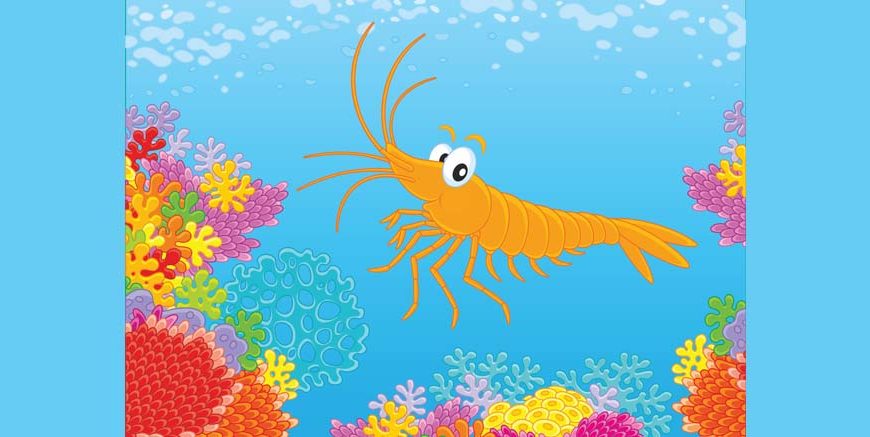
Deep beneath the rolling waves of the world’s oceans, far away from the sunlit beaches and bustling harbours, lives an army of tiny, glowing creatures. While massive blue whales, fierce leopard seals, and clever dolphins usually steal the spotlight in marine documentaries, the true heroes of the sea are much, much smaller.
Without these microscopic marvels, the entire oceanic food web would simply collapse. Today, we are diving into the freezing waters of the Antarctic and beyond to explore the fascinating world of the krill. We will uncover how they are built, what they eat, and why they hold such immense power over the entire marine environment.
Define Krill: What Exactly Are They?
When people first hear the word, they often ask, “what is krill?” To properly define krill, we must look closely at the crustacean family. The krill meaning translates roughly to ‘small fry of fish’ in the old Norwegian language, but this historical name is actually a bit of a trick. Because they swim in the open ocean, many people mistakenly refer to them as krill fish.
In reality, they are not fish at all! They are small, swimming crustaceans, placing them in the exact same family tree as crabs, lobsters, and the woodlice you might find under a rock in your garden. These marine invertebrates swim in massive, swirling groups called swarms. These swarms can sometimes be so incredibly thick and enormous that they actually turn the surface of the ocean a dark, muddy pink colour.
Read More – List of Animals That Live On Land And Water
Krill Size and Body Structure
For a creature that feeds the absolute biggest animals on our planet, the average krill size is surprisingly tiny. Most of them only grow to be about 1 to 2 inches (or roughly 5 centimetres) long. That is roughly the size of a standard paperclip! But do not let their small stature fool you; their bodies are highly complex and brilliantly designed for ocean survival.
They have a hard, protective exoskeleton to shield their delicate insides, large black eyes to spot shadows moving in the deep water, and a series of feathery, leaf-like swimming legs that help them paddle rapidly through the strong ocean currents.
One of the most magical things about their physical body structure is that they are semi-transparent. If you hold one up to the light, you can almost see straight through it. Furthermore, they possess special light-producing organs called photophores. These incredible organs allow them to glow with a brilliant blue-green light in the pitch-black ocean, a clever trick used to communicate with their swarm or to confuse hungry predators.
Krill vs Shrimp
Because they look quite similar at a quick glance, a very common debate amongst ocean explorers is krill vs shrimp. While they are distant marine cousins, there are some major, easily spotted differences between the two.
First, let us look at their overall body shape. A shrimp has a very distinct, heavily segmented body with a pronounced bend in its back, while our glowing friends have a much straighter, simpler body shape. Secondly, shrimp have their breathing gills tucked away safely inside their hard, outer shell.
These tiny oceanic heroes, however, have their gills completely exposed on the outside of their bodies, attached near their swimming legs. Finally, while they can brilliantly light up the dark water with their bioluminescent organs, the vast majority of ordinary shrimp completely lack this magical glowing ability.
Read More – Facts & Information About Sea Animals for Kids
What Are Their Food Habits?
To fuel their constant swimming and glowing, these tiny crustaceans need to eat a tremendous amount of food. But what does a creature the size of a paperclip actually hunt? They are herbivores, meaning they stick to a strict, plant-based diet. Their absolute favourite food is phytoplankton.
Phytoplankton are microscopic, single-celled plants that float freely near the surface of the ocean, soaking up the sunshine. To catch these microscopic plants, the crustaceans use their front legs to form a clever, woven basket shape.
As they swim forward, they use this biological basket to scoop up seawater, efficiently filtering out the tiny green plants and pushing the salty water back out. In the freezing winter months when phytoplankton is incredibly scarce, they have even been known to use their tough little legs to scrape green algae directly off the bottom of floating icebergs!
Conclusion
When we carefully study the intricate body structure and simple food habits of these glowing crustaceans, we learn a very profound lesson about nature. The health of our entire planet does not always depend on the biggest, loudest, or strongest animals. Sometimes, the survival of massive blue whales, playful penguins, and sleek seals relies entirely on billions of tiny, paperclip-sized creatures quietly munching on microscopic plants in the dark.
It is a beautiful, inspiring reminder that no matter how small you are, you can play a massive, vital role in the world around you. To read more fascinating marine facts and discover exciting learning adventures for your child, check out the EuroKids Blog and find out more about EuroKids Preschool Admission today.
FAQs
What is krill?
It is a small, swimming crustacean found in all the world’s oceans, serving as a vital, foundational food source for many marine animals.
Are they exactly the same as shrimp?
No, they are different. While they look similar, krill have exposed gills and the unique, magical ability to glow in the dark, unlike most shrimp.
What do these tiny crustaceans eat?
They primarily use their front legs to filter tiny, microscopic plants called phytoplankton straight out of the ocean water.