Imagine walking into a quiet, dark room late at night and hearing a soft, rhythmic squeaking noise. You carefully flick on the light, and there, over in the corner, is a tiny ball of fluff running an absolute marathon on a plastic wheel. These pocket-sized athletes are a massive hit in classrooms and family homes across the globe. But beyond their adorable twitching noses and incredibly soft fur, there is a fascinating world of science and nature waiting to be uncovered. Learning about these little creatures is a fantastic, hands-on way for young students to engage with their Environmental Studies (EVS) lessons. Let us embark on a fun journey to discover the biology and habits that make these tiny sprinters so incredibly special.
Understanding the Basics: What is a Hamster?
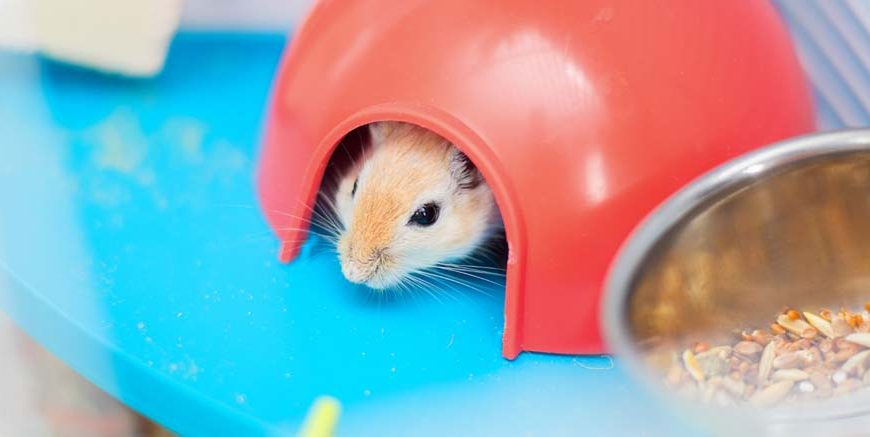
To truly appreciate these fascinating creatures, we first need to look at the science and define hamster. In simple, biological terms, it is a small, stout-bodied rodent that belongs to the Cricetidae family. They are instantly recognisable by their short, stubby tails, small furry ears, and wide, expressive eyes.
If a curious student raises their hand and asks what is a hamster during a science lesson, you can easily explain that they are natural, expert burrowers. Their bodies are perfectly built for digging deep, complex tunnels in the earth. This clever digging helps them stay safely hidden from predators and keeps them warm during chilly nights.
One of the most amazing physical traits they possess is their continuously growing front teeth. Just like our human fingernails, their teeth never actually stop growing! This is exactly why they constantly need to gnaw on wooden sticks, crunchy roots, and hard seeds to keep their teeth filed down to a safe, comfortable size.
Read More – Names Of Pet Animals In English For Kids
The Origins of the Hamster Animal
While we usually see them resting comfortably in colourful plastic cages filled with soft sawdust, the hamster animal actually has a very rugged and adventurous history out in the wild. Originally, these hardy little explorers came from dry, harsh, and desert-like areas across Europe and Asia, particularly in regions like Syria.
Because they naturally lived in harsh environments where fresh water and food were quite scarce, their bodies adapted in brilliant, survival-focused ways. For example, they do not need to drink massive amounts of water from a puddle because they historically absorbed most of their daily moisture straight from the fresh leaves and vegetables they foraged. Teaching children about the wild, desert origins of a hamster animal helps them understand how challenging environments shape the creatures that live within them, which is a core concept in any primary EVS curriculum.
All About Hamsters and Their Cheeky Habits
When we dive deeply into learning all about hamsters, their quirky, everyday behaviours are always the most fun part to discuss. Did you know that they are strictly nocturnal? This means they sleep very soundly for most of the bright day and become incredibly active just as the sun goes down. In the wild, running around in the pitch black keeps them safely hidden from hungry owls and eagles.
Another fantastic fact to add to our all about hamsters guide is their built-in shopping bags! They have special, highly expandable pouches inside their cheeks that can stretch all the way back to their shoulders. If they find a lovely pile of seeds, they do not eat it right away. Instead, they stuff their cheeks until their faces look completely puffed up and comical, then scurry back to their safe burrows to hide the food for later. It is nature’s very clever way of ensuring they always have a midnight snack on hand when the cold winter arrives.
Read More – Teaching Your Kids About Nocturnal Animals
Learning Responsibility Through EVS
Studying these tiny mammals offers a wonderful, highly practical lesson in empathy and daily care. Because they are so small and delicate, children quickly learn that animals require gentle handling, a constantly clean living space, and a highly nutritious diet to thrive. They learn that a pet is not a toy, but a living, breathing creature that depends entirely on its human companions for survival. By observing what these rodents naturally eat, such as crunchy carrots, broccoli, and specialised seed mixes, students gain a much better understanding of the food chain, animal nutrition, and daily responsibility.
Summary
When we take the time to closely study the smallest creatures living amongst us, we uncover a massive world of biological wonder. From their built-in cheek pouches to their impressive nocturnal marathons, these tiny burrowers teach us that every single animal has uniquely and brilliantly adapted to survive its natural environment.
Understanding these pocket-sized rodents helps young students build a deeper, much more empathetic connection with the vast natural world around them. It leaves us with a quiet, highly important question: if a creature as small as a rodent has such a complex, brilliantly adapted life, what other incredible secrets are hiding out in the wild, just waiting for us to discover them? To uncover more engaging ways to spark your child’s love for nature and to support their foundational learning journey, take a moment to explore the EuroKids Blog and find out the latest details regarding EuroKids Preschool Admission today.
FAQs
How far can these tiny rodents run in a single night?
Amazingly, in the wild, they can run up to five or six miles every single night on their quest to forage for food, which is exactly why they love their spinning exercise wheels so much!
Why do they stuff so much food into their cheeks?
They use their expandable cheek pouches exactly like a rucksack, allowing them to carry large amounts of food back to their safe, underground burrows to store for the cold winter months.
Are they good pets for young children?
Yes, but because they are mostly awake at night and have very fragile bodies, they require gentle, quiet handling and adult supervision, making them a brilliant way to teach children about gentle responsibility.