Children rarely need encouragement to notice animals. A puppy walking in a park, a cat stretching lazily on a wall, or colourful fish swimming inside a small bowl immediately captures their attention. Animals spark curiosity because children see movement, sound, and emotion in them. Many parents notice that the moment a child begins speaking, animals become one of the first topics of conversation.
When you introduce your child to pet animals, you are not simply teaching names. You are helping them understand kindness, responsibility, and observation. Learning animal names also strengthens vocabulary and helps children recognise living beings around them. When children see pet animals pictures and hear their names repeatedly, their memory improves and their interest grows stronger.
Many parents often wonder what pet animals are and how to explain the idea in simple words to young learners. Others search for easy ways to teach the 10 domestic animals name so that children can recognise common animals found around homes and farms.
This guide helps you introduce your child to the world of animals in a simple and meaningful way. It explains what are pet animals, introduces common animal names, and helps children learn through images, stories, and observation. By the end, your child will recognise several pet animals and understand why humans care for them.
What Are Pet Animals? Understanding the Concept for Kids
Before children begin learning names, they should first understand the idea behind pets. Many young learners see animals in cartoons, books, or neighbourhood parks, but they do not always understand why some animals live with people.
So, what are pet animals? Pet animals are animals that people keep at home for companionship, care, and friendship. These animals live close to humans and depend on them for food, water, shelter, and protection. In return, pets provide comfort, joy, and companionship.
Unlike wild animals that live in forests, deserts, or oceans, pets adapt to life with humans. A dog may guard the house and play with children. A cat may quietly rest beside family members. Birds may sing or respond to sounds around them. Even small animals such as fish or turtles bring calm and curiosity into a home.
When children understand what pet animals are, they begin to realise that animals are living beings with needs and emotions. This understanding encourages empathy and teaches children to treat animals with kindness and respect.
Read More – Wild Animals For Kids
Why Learning About Pet Animals Helps Children Grow
Learning about animals may appear simple at first, but it supports several important areas of development. Children naturally observe and imitate the world around them, and animals often become their first connection to nature.
When your child learns about pet animals, they expand their vocabulary and improve language skills. Animal names are often among the earliest words children recognise and pronounce. Repeated exposure to pet animals pictures also strengthens memory because visual learning helps children connect words with images.
Animals also help children develop emotional awareness. When a child watches a dog wag its tail or sees a bird chirping happily, they begin to recognise emotions and reactions in other living beings. These observations build empathy and compassion.
In addition, learning the 10 domestic animals name introduces children to the idea that humans and animals share environments. Farms, homes, gardens, and neighbourhoods often include animals that interact with people every day.
Names of Pet Animals in English for Kids
Children learn faster when information appears simple, visual, and relatable. Introducing common animal names helps them recognise animals they may already see in real life.
Below are examples of pet animals that children commonly encounter in homes. These animals differ in size, behaviour, and care needs, which makes learning about them interesting.
- Dog
- Cat
- Rabbit
- Parrot
- Fish
- Hamster
- Guinea pig
- Turtle
- Budgerigar
- Lovebird
- Mouse
- Ferret
- Pigeon
- Canary
- Goldfish
Each of these animals represents a different type of pet. Dogs often become loyal companions that enjoy playing with families. Cats prefer calm environments and independent movement. Rabbits attract children because of their soft fur and hopping behaviour.
Birds such as parrots and budgerigars fascinate children with colourful feathers and lively sounds. Small animals such as hamsters and guinea pigs require gentle handling and careful attention.
When children observe these animals through pet animals pictures, they begin to connect names with shapes, colours, and behaviours. This visual association strengthens memory and builds confidence in language learning.
10 Domestic Animals Name Every Child Should Recognise
Along with pets kept inside homes, children should also learn about animals that live around farms and villages. These animals often support human life through food, farming, or companionship.
Below is the commonly taught 10 domestic animals name that children learn during early education.
- Dog
- Cat
- Cow
- Goat
- Horse
- Sheep
- Hen
- Duck
- Rabbit
- Donkey
These animals play important roles in human communities. Cows provide milk, hens lay eggs, and horses assist in transportation and farming in many regions. Dogs guard homes and often become loyal companions.
Teaching the 10 domestic animals name helps children recognise animals beyond their immediate surroundings. It also introduces them to the idea that animals contribute to daily human life in different ways.
Read More – Teach Preschoolers About Animals
Learning with Pet Animals Pictures Improves Memory
Young children respond strongly to visual learning. When information appears through images rather than long explanations, it becomes easier to remember and understand.
Showing pet animals pictures allows children to observe physical features such as fur, feathers, tails, and colours. For example, a child may recognise a rabbit by its long ears or identify a parrot through its bright feathers.
Visual learning also encourages curiosity. When children see animals in books or pictures, they often ask questions about where the animals live, what they eat, and how they behave.
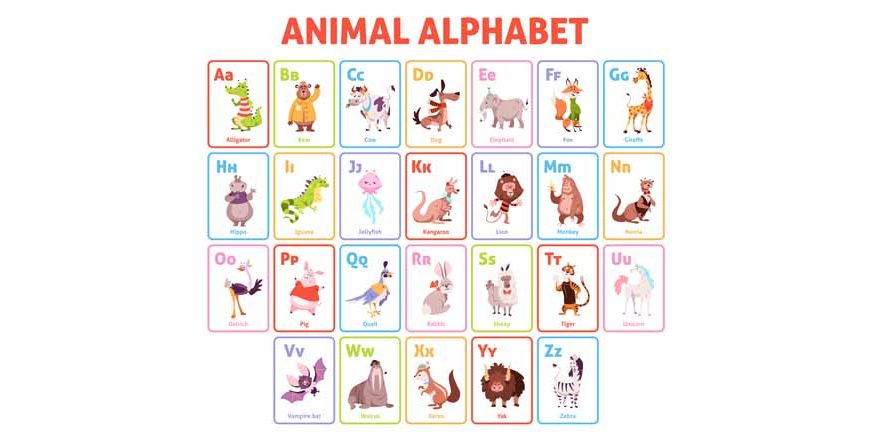
Parents and teachers often use illustrated books, flashcards, and charts to show pet animals pictures. These tools make early learning interactive and engaging.
Teaching Children Responsibility Through Pet Animals
Animals can teach children valuable life lessons. When children understand what are pet animals, they also begin to realise that animals rely on human care.
Pets need proper food, clean water, safe shelter, and regular attention. A dog requires daily exercise and interaction. Fish require clean water and careful feeding. Birds require space, safety, and fresh food.
When children participate in small tasks such as feeding a pet or filling a water bowl, they develop responsibility. These experiences teach patience, empathy, and respect for living beings.
Parents can guide children by explaining that caring for animals means protecting and respecting them.
Read More – Teaching Kids Compassion for Animals
Fun Ways to Help Children Learn Pet Animal Names
Children learn best through playful activities rather than memorisation. You can introduce animals through storytelling, drawing, and observation.
Encourage your child to draw animals after looking at pet animals pictures. Drawing helps children notice details such as ears, tails, and colours. You can also ask them to name animals they recognise in parks or neighbourhoods.
Reading books about animals also supports learning. Many children’s books introduce animals through stories, which makes names easier to remember. These small activities turn everyday experiences into learning opportunities.
Helping Your Child Discover the World of Animals
Animals naturally attract children’s attention, and this curiosity creates powerful learning opportunities. When your child understands what pet animals are, recognises different pet animals, and learns the 10 domestic animals’ names, they develop vocabulary, empathy, and observation skills.
Visual learning through pet animals pictures strengthens memory and makes learning enjoyable. Simple conversations about animals at home, in parks, or through books help children connect knowledge with real experiences.
Parents who wish to nurture curiosity and confidence in early learning often explore structured environments that encourage exploration. Through EuroKids Preschool Admission, families can introduce children to learning programmes designed for early childhood development.
The EuroKids Blog also shares useful insights that help parents support learning at home through engaging and meaningful activities.
EuroKids follows the Heureka Curriculum, which encourages children to explore real world concepts through observation, discovery, and hands-on learning experiences.
When children learn about animals, they do more than memorise names. They begin to understand the living world around them.
Frequently Asked Questions
What are pet animals?
Pet animals are animals that people keep at home for companionship and care. They depend on humans for food, shelter, and protection.
Why should children learn pet animal names?
Learning animal names improves vocabulary, observation skills, and curiosity about the natural world.
What are the 10 domestic animals names children should know?
Common examples include dog, cat, cow, goat, horse, sheep, hen, duck, rabbit, and donkey.
How do pet animal pictures help children learn?
Pet animals pictures help children connect animal names with visual images, making learning easier to understand and remember.
Can young children take care of pets?
Children can participate in simple activities such as feeding pets or observing their behaviour, which helps them develop responsibility.