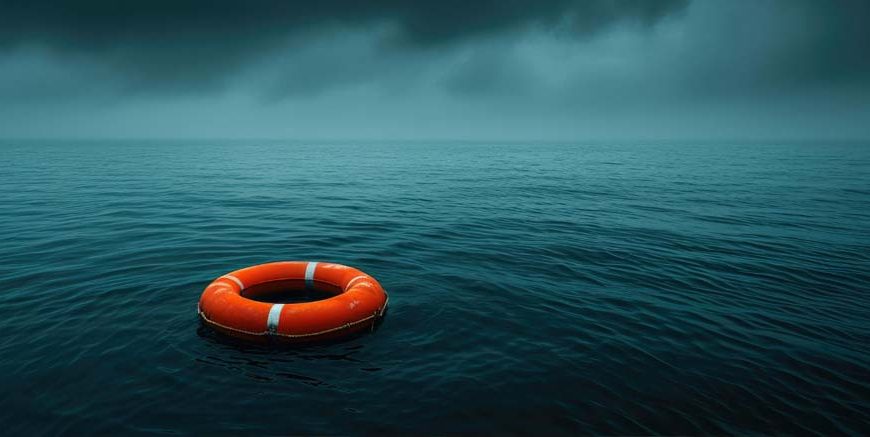
Bath time is often a young child’s very first physics laboratory. When a heavy plastic submarine crashes to the bottom of the tub, whilst a lightweight sponge bobs merrily on the bubbly surface, a beautiful scientific mystery unfolds. This everyday occurrence is far more than just child’s play. It is a fantastic, practical demonstration of the laws of nature.
The way materials interact with water teaches us fundamental lessons about the physical world. Let us dive deep into the fascinating mechanics of water, unravelling the invisible forces that decide exactly what stays on top and what plunges straight to the bottom.
Difference Between Floating and Sinking
To properly understand this watery puzzle, we must first look at the core difference between floating and sinking. It all comes down to an invisible battle between two scientific concepts: density and buoyancy.
Density simply refers to how tightly packed the ‘stuff’ (or matter) inside an object is. Think of two identical suitcases. One is packed with a few light, fluffy jumpers, while the other is crammed completely full of heavy, solid bricks. The suitcase full of bricks is much denser.
When you place an item into a bowl of water, gravity actively pulls it down. However, the water fights back! The water pushes upwards against the item. This upward push is scientifically known as buoyancy. If the item is less dense than the water itself, the water easily pushes it up, and it stays on the surface. If the item is denser and heavier than the water it displaces, gravity wins the battle, and the item drops to the bottom.
Read More – How do you make science interesting for kids?
Things That Float in Water
When we look for things that float in water, we are searching for items that are lightweight for their size or contain trapped pockets of air. Air is incredibly light and much less dense than liquids.
A brilliant example of this is a massive ocean liner. You might wonder how thousands of tonnes of heavy steel can possibly stay above the waves. While steel itself is incredibly dense, a ship is not a solid block of metal. It is brilliantly shaped to contain massive, hollow pockets of air inside its hull. Because of this clever shape, the overall density of the entire ship is actually less than the ocean, allowing it to glide gracefully across the sea.
Objects That Float in Water
You do not need to look at massive ships to see this science in action. If you gather a few simple objects that float in water from around your house, you can easily create your own floating laboratory.
Common household items that will happily bob on the surface include:
- A dry wooden cooking spoon from the kitchen drawer.
- An empty, sealed plastic drinks bottle.
- A lightweight cork from a glass bottle.
- A crisp, fresh apple (because apples are surprisingly made of roughly 25% air!).
- A dry kitchen sponge.
Read More – Science Quiz Questions and Answers for Kids
10 Things That Sink in Water
On the other side of our scientific experiment, we have items where the matter is packed so incredibly tightly that the upward push of buoyancy simply cannot support them. Even if an item is physically very small, a high density guarantees a quick trip to the bottom.
If you are looking to test items that will definitely drop, here is a helpful list of 10 things that sink in water:
- A metal coin from your pocket.
- A solid glass marble.
- A heavy steel nail from a toolbox.
- A smooth, solid pebble from the garden.
- A silver teaspoon.
- A heavy brass door key.
- A ceramic coffee mug.
- A solid lump of plasticine or modelling clay.
- A heavy metal padlock.
- A solid gold ring.
Floating and Sinking Objects
Gathering an assortment of floating and sinking objects is one of the most engaging, hands-on educational activities you can organise for a child. It actively encourages them to make logical predictions before they test their theories.
Ask your child to hold an item in their hand, gauge its weight, and guess what will happen when it hits the water. Then, introduce a clever twist. Take that solid lump of plasticine from our list above (which sinks immediately) and carefully mould it into the shape of a hollow boat. Place it gently back onto the water. Suddenly, because you have altered its shape to trap air and displace more water, the dense clay will brilliantly float! This simple experiment bridges the gap between basic play and advanced engineering.
Read More – Fun Science Facts for Kids
Summary
Water is not just a refreshing drink; it is a powerful, dynamic force that physically shapes our world and supports global travel. When we understand the delicate balance between density, gravity, and buoyancy, a simple puddle or a filled bathtub transforms into a wonderful display of natural physics. It teaches us that physical appearances can be highly deceiving; a massive steel boat can float beautifully, whilst a tiny glass marble plunges instantly into the depths.
By encouraging young minds to test, observe, and question these everyday occurrences, we are actively raising a generation of thoughtful scientists and brilliant engineers. To uncover more joyful learning adventures and effectively support your child’s boundless curiosity, explore the EuroKids Blog and find out all the essential details regarding EuroKids Preschool Admission today.
FAQs
Why do some very heavy things float?
Heavy objects, like steel ships, can float if they are shaped cleverly to contain large amounts of trapped air, making their overall density less than the water they displace.
What is the simplest way to explain buoyancy?
Buoyancy is the invisible, upward pushing force of water that fights against gravity and tries to keep objects resting on the surface.
Does salt change how things float?
Yes, adding a large amount of salt makes water significantly denser, which actually provides a stronger upward push and makes it much easier for objects to float.