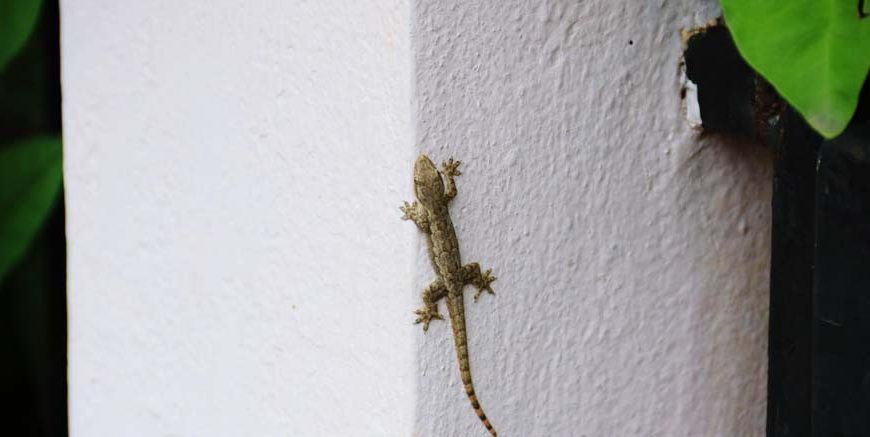
A tiny rustle in the garden bushes or a sudden darting shadow on the living room wall can send some people running for the hills. While many children absolutely adore chasing bugs, playing in the dirt, and examining local wildlife, others freeze completely at the sight of anything scaly or fast-moving. It is perfectly normal for anyone to feel a bit startled when a creature moves unexpectedly out of the corner of their eye.
However, for some children and adults, this feeling goes far beyond a simple, fleeting jump of surprise. It turns into a deep, overwhelming panic that dictates where they can go and how comfortable they feel in their own homes. Today, we are looking closely at a very specific, intense reaction to our cold-blooded neighbours, breaking down exactly why it happens and how families can manage it effectively.
The Proper Scientific Terminology
To properly understand this intense reaction, we need to look at the exact labels doctors, psychologists, and scientists use. If you are wondering exactly what the fear of lizards is called, the broad scientific and medical term is herpetophobia. To completely break down the herpetophobia meaning, we have to look at its ancient Greek roots. The word is split into two parts: ‘herpeton’, which translates to creeping animal, and ‘phobos’, which means a deep, irrational dread.
This specific psychological condition does not just cover a phobia of lizards; it actually encompasses a much wider fear of reptiles in general, which includes avoiding snakes, heavy crocodiles, and even slow-moving turtles. However, when a young child or an adult has a strict, overwhelming fear of lizards alone, ignoring the rest of the cold-blooded animal kingdom, the wider label of herpetophobia is still the official medical term used by professionals to categorise it.
Read More – Types of Reptiles with Pictures
Recognising the Physical Symptoms
When a standard, everyday dislike turns into a genuine, rooted phobia, the human body reacts in highly dramatic and exhausting ways. The brain essentially spots a tiny, harmless house gecko resting on the ceiling and instantly hits a massive internal panic button, physically treating the tiny creature as if it were a highly dangerous predator. For children experiencing this intense fear of reptiles, the physical reactions are entirely real, completely involuntary, and can be deeply draining for their little bodies to process.
Here is a clear list of the most common physical signs to look out for when this panic strikes:
- Rapid, incredibly shallow breathing or sudden hyperventilation, making it hard to speak.
- A racing heartbeat that feels like it is heavily thumping against the chest wall.
- Uncontrollable shaking, trembling, or shivering in the hands and legs.
- Sudden, heavy sweating, even if the room is perfectly cool and breezy.
- A severely dry mouth and an upset, churning stomach.
- An overwhelming, instant urge to cry, scream, or immediately run away from the room and refuse to re-enter.
Interesting Facts About This Reaction
Why do these specific creatures cause such massive, sudden panic in humans? For young children, it usually comes down to the simple concept of predictability. A fluffy domestic dog barks, pants, and wags its tail, showing very clear, readable emotions. A small reptile, however, stays perfectly still like a carved stone for incredibly long periods, stares with unblinking eyes, and then suddenly darts across the skirting board at lightning speed. This erratic, unpredictable, jerky movement is deeply unsettling to the natural rhythm of the human brain.
Additionally, their cold, dry, scaly texture is completely alien compared to the soft, warm mammals we usually keep as household pets. Biologists also suggest that this avoidance is partially an ancient evolutionary trait. Thousands of years ago, avoiding creeping, crawling animals kept our ancestors safe from venomous bites, and a small fragment of that ancient survival instinct still lingers in our modern brains.
Finally, it is very often a learned behaviour. If a toddler watches an older sibling or a parent scream loudly and jump onto a chair when a gecko appears on the patio, the toddler instantly learns that the creature is highly dangerous and should be feared for life.
Read More – Chameleons Explained for Students
Steps on how to overcome lizard phobia
Living in a constant state of panic is difficult, especially in warmer summer months or tropical climates where these creatures are an entirely normal, everyday part of the local environment. Thankfully, there are brilliant, highly gentle ways to help a child manage and reduce their severe reactions. If you are researching how to overcome lizard phobia, the fundamental secret is slow, steady exposure paired with logical education.
Start the process incredibly small by simply reading colourful storybooks featuring friendly, silly scaly characters. Show them that these animals are just another part of the forest. Once the child is comfortable looking at illustrations without feeling anxious, carefully move on to watching short, educational wildlife documentaries together. Use this time to explain how incredibly helpful these creatures actually are to humans. Explain that geckos and garden skinks are actually the ultimate household guardians, acting as brilliant natural pest control by eating annoying mosquitoes, biting flies, and large spiders. Knowledge actively replaces the unknown dread with genuine scientific curiosity.
When they feel brave enough, practice simple deep breathing exercises together. Teach them to take a slow, deep breath in through their nose and blow it out through their mouth whenever they spot a reptile, helping to manually switch off that internal panic button. Eventually, you can visit a local zoo or nature reserve to look at them safely resting behind thick glass. The goal is never to force a terrified child to hold or touch one, but simply to help them feel calm, rational, and completely safe when sharing the exact same room or garden space.
Read More – List of Animals That Live On Land And Water
Conclusion
Fear is a deeply fascinating, ancient survival mechanism, but it does not have to dictate how we experience the rich natural world around us. It is genuinely thought-provoking to realise that the intense, shaking panic caused by a tiny, harmless gecko is just our brain trying entirely too hard to keep us safe from the unknown. By replacing blind panic with steady, gentle education and simple facts, we can effectively transform a terrifying monster on the wall into a fascinating, highly helpful little neighbour.
Teaching growing children to understand and respect the creatures they share the planet with builds profound empathy and quiet confidence that easily lasts a lifetime. To unlock more brilliant ways to support your child’s brave learning journey, discover the fantastic educational resources waiting for you on the EuroKids Blog and secure their bright future with EuroKids Preschool Admission today.
FAQs
Is it normal for a child to develop a phobia out of nowhere?
Yes, it is quite common. A child can easily develop a phobia after a single startling incident, such as a creature suddenly falling near them, or even by just watching a scary cartoon that features a creeping animal.
Should I remove the creature from the room immediately if my child is crying?
While you want to comfort your child, instantly rushing to kill or remove the animal reinforces the idea that it is highly dangerous. Comfort the child first, explain what the animal is doing, and then calmly guide the creature outside if necessary.
Can adults completely cure this fear later in life?
Absolutely. Many adults successfully overcome severe phobias through cognitive behavioural therapy (CBT), which uses guided, professional techniques to slowly retrain the brain’s automatic panic response.