Look inside your kitchen bin at the very end of a busy week. You will likely see crumpled homework paper, empty fruit juice cartons, and maybe a few clear plastic wrappers. For a very long time in human history, people simply threw all this daily rubbish into massive holes in the ground and completely forgot about it. But our beautiful planet is absolutely not a giant rubbish bin. Every single piece of plastic, glass, and paper we use originally comes from nature.
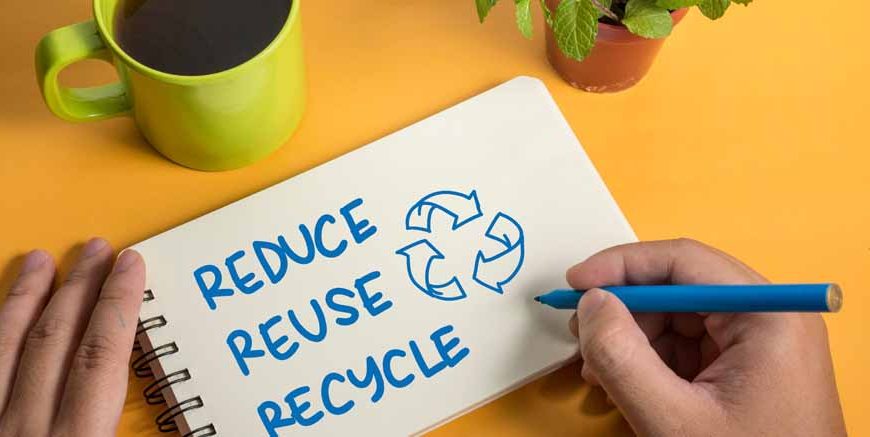
If we keep taking materials from the earth without giving anything back, we will eventually run out of fresh resources. This is exactly why learning about waste management is so vital for growing minds. Writing a recycling essay helps young students clearly understand how they can personally rescue old materials and magically transform them into something brand new, actively protecting the environment right from their very own homes.
Understanding the Waste Process
Before a student can properly write about saving the planet, they need to understand what the actual process involves. In simple terms, it is the clever method of taking everyday household rubbish and sending it to a highly specialised factory instead of burying it in a dark landfill. At this factory, old glass jam jars are melted down at extreme temperatures to make brand new windows, and messy, wet newspaper is mashed into a thick pulp to create fresh, clean writing paper.
This continuous, brilliant loop prevents us from having to chop down more green trees or dig up more thick oil from the ocean floor. When we teach children about this process, we are essentially teaching them that rubbish is not actually useless waste; it is simply a collection of raw ingredients waiting to be used again.
Read More – Essay on Clean India for Kids
10 Lines on Recycling for Class 1
When six-year-olds are asked to write about the local environment, they need short, punchy facts that are incredibly easy to remember. Here is a simple, straightforward list of ten lines that Class 1 students can easily read, memorise, and copy for their schoolwork:
- Recycling means turning our old rubbish into brand new things.
- We use special coloured bins to sort our daily waste at home.
- Paper, plastic, and glass can all be washed and used again.
- Sorting our rubbish stops the planet from getting too dirty.
- It saves millions of beautiful green trees from being cut down.
- I always put my empty juice boxes in the correct blue bin.
- Making new things from old things saves a lot of electricity.
- Sea animals stay safe when we keep plastic out of the ocean.
- It is a very easy way to help the earth every single day.
- Everyone in my family helps to recycle our kitchen waste.
A Short Paragraph for Class 2
As children confidently move into the second grade, they can start connecting their independent thoughts together. A short paragraph beautifully teaches them how to build a tiny, persuasive story about helping the environment.
Our earth gives us absolutely everything we need, like clean drinking water and fresh air, so we must work hard to protect it. The benefits of recycling are incredibly huge because it stops us from making massive piles of smelly rubbish in our towns. When we finish drinking from a plastic water bottle, we should never throw it on the pavement. Instead, we must wash it and put it in the correct sorting bin so a factory can melt it down to make a fun new toy or a warm winter fleece jacket. By taking just a few extra seconds to sort our daily waste, we keep our local parks beautiful and save the natural homes of thousands of wild birds and animals.
Read More – Essay On Environmental Pollution in English for Kids
A Detailed Essay for Class 3
Third graders can handle much more descriptive language and complex logic. If a teacher specifically asks for an importance of recycling essay, this longer paragraph perfectly captures the critical environmental message.
We share this wonderful, vast planet with billions of other people, animals, and plants. Sadly, humans produce a staggering amount of waste every single day, and if we do not manage it properly, we will completely ruin our natural habitats. Sorting and reusing our waste is the absolute best tool we have to fight global pollution. When we safely recycle an old cardboard delivery box, we directly save a living tree in the forest from being chopped down.
When we recycle a thick glass jar, we save the massive amount of energy needed to manufacture new glass from raw sand. It is a brilliant, highly effective system of borrowing from nature and returning it safely. However, this system only works if every single person participates. It requires us to wash our empty food containers, read the packaging labels carefully, and use the correct coloured bins. If we all make this tiny, daily effort in our kitchens and classrooms, we can confidently ensure the earth stays green, healthy, and beautiful for the next generation.
The Daily Habits We Can Teach
To make this grand topic highly practical, children need to know exactly what actions they can take today. Here is a clear list of simple, effective habits families can easily adopt:
- Always rinse out plastic yoghurt pots before throwing them away, as dirty, sticky plastic ruins the factory sorting machines.
- Use both sides of a piece of paper when drawing pictures or completing maths homework.
- Collect dry, fallen leaves and soft fruit peels to create a natural compost pile in the back garden.
- Carry a reusable cloth bag to the supermarket instead of buying thin, new plastic carrier bags every week.
- Donate old, outgrown clothes and plastic toys to a local charity shop instead of throwing them in the bin.
Read More – World Environment Day Essay for Kids
Conclusion
Every single time a child drops a crumpled piece of drawing paper into the correct recycling bin instead of the general rubbish, they are making a massive, powerful decision about the future. It is genuinely thought-provoking to realise that a simple plastic bottle, if thrown away carelessly in the woods, will sit in the dirt for hundreds of years without breaking down.
Yet, with one small, responsible action, that exact same bottle can be melted down and reborn into something incredibly useful. We absolutely do not need fictional magic to save the earth; we just need responsible, quiet daily habits and the willingness to actively care for our local surroundings.
Teaching children these green values early on ensures they grow up to be highly mindful, protective citizens of the world. To discover more fantastic ways to spark your child’s environmental curiosity and support their early education, dive into the wonderful resources on the EuroKids Blog and secure their bright learning journey through EuroKids Preschool Admission today.
FAQs
What exactly happens if we do not sort our household rubbish?
If we throw absolutely everything into one single bin, all the highly useful materials get buried deep underground in giant landfills. Over time, these rotting materials release harmful greenhouse gases into the air and dangerous, toxic chemicals into the soil.
Can absolutely every type of plastic be recycled?
No, not all plastics are created equal. Very thin, crinkly plastics like sweet wrappers or crisp packets usually cannot go in the standard household recycling bin and require completely different, special drop-off points at larger supermarkets.
Why do we have to wash our food containers before recycling them?
Leftover food and sticky liquids can completely ruin an entire batch of clean paper or cardboard at the processing factory, meaning all that good, collected material has to be sadly thrown away in the end.