Have you ever caught your child happily tapping a wooden spoon against a metal saucepan, completely mesmerised by the ringing sound it makes? That simple, joyful noise is the very foundation of understanding rhythm and melody. Sound surrounds us every single day, from the rhythmic tapping of rain against a window pane to the gentle whistling of the autumn wind.
Translating those wild, everyday sounds into beautiful, organised melodies requires incredibly special tools. Introducing young minds to the vast, wonderful world of music is like handing them a brand new, magical language where they can easily express their biggest emotions without ever having to speak a single word. Today, we are going to explore the fascinating tools that create these melodies, uncovering their unique sounds and learning exactly what to call them.
Perfect childrens musical instruments to Start With
Long before a child is ready to hold a heavy brass horn or stretch their small fingers across a wide piano keyboard, they need to master the fundamental basics of rhythm. The most brilliant children’s musical instruments are specifically designed to be incredibly tough, perfectly sized for tiny hands, and highly responsive to simple movements.
Think about the classic, colourful wooden xylophone. By simply striking the brightly painted wooden bars with a small mallet, children instantly learn that shorter bars create high, squeaky notes, while longer bars produce deep, warm echoes. Shakers, plastic tambourines, and small hollow bongos are also absolutely fantastic starting points. These simple tools do not require hours of difficult, formal lessons. They allow toddlers to simply shake, rattle, and strike, instantly rewarding their physical energy with a delightful, immediate sound. This builds massive early confidence and naturally develops their basic hand-eye coordination.
Understanding the Categories of musical instruments names
When you look at a massive, crowded symphony orchestra, it can seem totally overwhelming. However, musicians cleverly group their tools into distinct, easy-to-understand families based entirely on how they physically produce their sound. Teaching your child the broader categories of musical instruments names makes it much easier for them to identify what they are looking at.
The String family includes beautiful wooden tools that use tightly stretched strings to make sounds, which you can either pluck with your fingers or glide a horsehair bow across. The Woodwind family relies on the player blowing air into a hollow tube, often using a thin piece of vibrating wood called a reed to create a sharp, sweet whistling sound. The Brass family features heavy, shiny metal tubes that require the player to tightly buzz their lips into a cup-shaped mouthpiece to produce loud, roaring blasts. Finally, the Percussion family includes absolutely anything you have to hit, shake, or sharply scrape to make a loud noise.
Read More – How Is Sound Produced?
A Comprehensive musical instruments names list
To help you and your child quickly identify the different sounds you hear on the radio or watch on television, here is a highly descriptive, easy-to-read musical instruments names list covering the most famous classical examples:
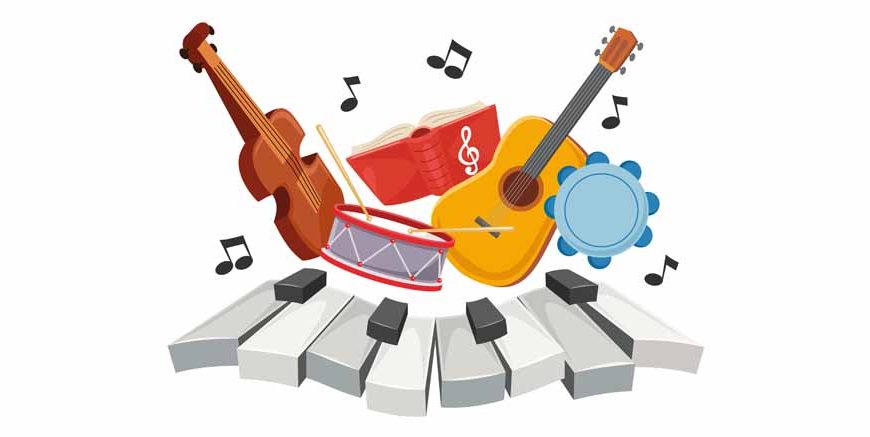
- Piano: A massive, heavy wooden instrument featuring a long row of black and white keys. When you press a key, a hidden wooden hammer strikes a tight metal string safely tucked inside the box.
- Violin: The smallest, highest-pitched member of the string family. You tuck it snugly under your chin and pull a long wooden bow across the strings to make it sing beautifully.
- Flute: A long, shiny silver tube from the woodwind family. You hold it completely sideways and blow gently across a small hole near the top, making a sound like a singing bird.
- Trumpet: A bright, golden member of the brass family featuring three pressing valves. It creates a highly powerful, triumphant noise that can easily be heard over a massive crowd.
- Drum Kit: A complete collection of different sized hollow drums and shiny brass cymbals, usually played by a single person using two wooden sticks to keep the steady heartbeat of a song going.
Read More – How to Run a Music Class for Your Little One
Adding Power with an electric instruments name
While classical, wooden tools are incredibly beautiful, modern music has completely transformed over the last seventy years thanks to the brilliant invention of electricity. When you listen to modern pop, heavy rock, or dance music, you are almost always hearing the roaring power of modern technology.
If you want to identify a popular electric instrument name, the most famous example is undoubtedly the electric guitar. Unlike its quiet, hollow acoustic cousin, this solid block of heavy wood requires a thick cable plugged directly into a massive speaker amplifier to be heard. Other brilliant modern examples include the electronic synthesiser, which looks exactly like a flat plastic piano but can magically replicate the sound of a spaceship, a barking dog, or a full string orchestra at the push of a single button. Electronic drum pads allow drummers to play incredibly loud, thunderous beats using standard headphones without ever waking up the grumpy neighbours next door!
Making Learning instruments names Fun
Memorising a massive list of new vocabulary words can feel like boring homework, so it is vital to keep the learning process highly physical and entertaining. A brilliant way to learn various instruments names is to play simple audio guessing games at the kitchen table. Play a short, blind audio clip of a roaring saxophone or a gentle harp on your mobile phone and ask your child to guess what object is making that specific noise. You can also encourage them to actively build their own recycled band using empty cardboard cereal boxes as drums or wrapping elastic bands tightly around an empty tissue box to create a homemade strumming guitar.
Read More – Amazing Ideas To Make Learning Interesting For Kids
Conclusion
It is genuinely thought-provoking to realise that a simple piece of hollow wood, a stretched piece of tight animal skin, or a thin piece of vibrating metal can completely alter our human emotions. Music possesses the unique, invisible power to make us happily tap our feet, suddenly burst into tears, or feel incredibly brave. By teaching growing children how to accurately identify the wonderful tools that create these magical sounds, we give them a much deeper, richer appreciation for the art and culture surrounding them every single day.
Understanding how different, unique parts work together to create a beautiful, harmonious symphony is a brilliant lesson in teamwork and natural creativity. To discover more wonderful ways to encourage your child’s creative expression through the engaging Heureka Curriculum, read the latest educational articles on the EuroKids Blog and secure their vibrant learning journey today via EuroKids Preschool Admission.
FAQs
At what age should a child start formal music lessons?
While toddlers can easily start banging on simple shakers and xylophones as soon as they can sit up, most professional teachers recommend waiting until a child is around six or seven years old before starting strict, formal lessons on complicated things like the piano or violin.
Which instrument is generally the easiest for a beginner to learn?
The ukulele is widely considered an absolutely fantastic starter option. It only has four soft nylon strings, it is perfectly sized for tiny hands to hold comfortably, and a child can easily learn to play a simple, happy song within their very first hour of practice.
Why do brass instruments always look so twisted and curly?
If you took a standard French horn and completely unrolled its shiny brass tubing, it would actually stretch out to be over twelve feet long! The clever builders twist and curl the metal tightly so the musician can actually hold it comfortably in their lap while playing.