Learning the alphabet is much like embarking on a grand, adventurous safari. Every single letter unlocks a brand-new chest of phonetic sounds, tricky spellings, and fascinating creatures waiting to be discovered. When we guide our children through the ABCs, connecting those abstract shapes to real, breathing creatures makes the learning process incredibly sticky and deeply enjoyable.
Today, we are focusing on the twenty-third letter of the alphabet. It is a wonderfully wide, wavy letter that brings to mind rushing water and whispering winds. Let us dive into the wild and explore how to teach your little ones all about the magnificent creatures of the world using this specific letter.
Finding the Perfect W Animal Name
Phonics education thrives on solid, relatable examples. When a child learns a new W animal name, they are doing much more than just expanding their general knowledge; they are actively practising the ‘wuh’ sound. This specific phonetic sound requires them to round their lips and push air forward, which is a brilliant exercise for early speech development.
To make this phonics lesson truly memorable, we need to choose creatures that are visually striking and have distinct behaviours. Rather than just showing them a flat flashcard, tell them a short, descriptive story about the creature. Describe the thick, blubbery skin of a walrus resting on an icy glacier, or the haunting, beautiful howl of a wild dog echoing through a dark, snowy forest.
Read More – List of Animal Names That Start With Letter ‘L’
List of Animals That Start With W
Children absolutely love lists, especially when they are packed full of diverse, interesting characters. Here is a vibrant collection of animals that start with W to introduce to your eager little learners:
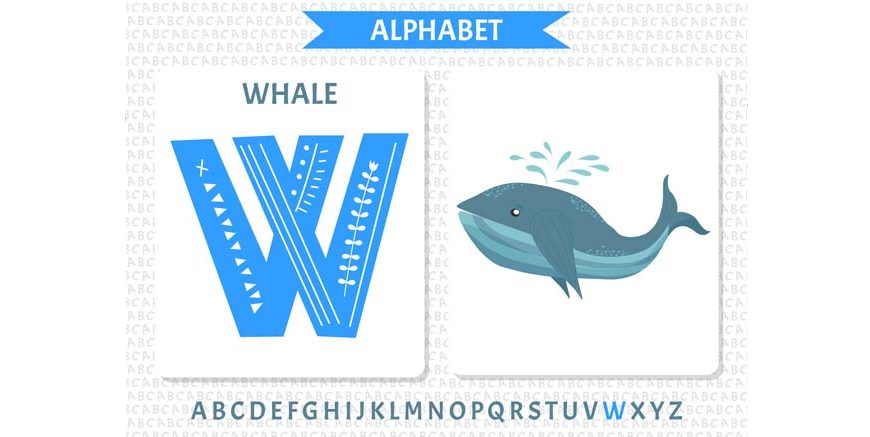
- Whale: The undisputed, gentle giant of the deep blue ocean. Blue whales are actually the largest creatures to have ever lived on our planet, even bigger than the biggest dinosaurs! They communicate by singing beautiful, low songs that travel for miles underwater.
- Wolf: A highly intelligent, wild relative of the domestic pet dog you might have sitting in your living room. They live in close-knit families called packs and use loud howls to talk to their friends across the dark forest.
- Walrus: Easily recognised by their massive, brilliant white tusks and thick, bushy moustaches. These heavy, blubbery mammals spend their days swimming in freezing Arctic waters and pulling themselves up onto slippery blocks of ice.
- Woodpecker: A noisy, colourful bird equipped with an incredibly sharp, chisel-like beak. They spend their afternoons tapping rapidly against tree trunks to find tasty insects hiding just under the tree bark.
- Wombat: A short, fluffy, and rather cuddly-looking marsupial native to the Australian outback. They are expert diggers, creating massive underground burrows where they sleep safely during the hot daytime.
- Weasel: A tiny, incredibly fast, and slinky mammal with a long body. They are famous for darting quickly through tall grass and being very clever hunters, despite their small size.
Exploring an Animal Name Starting With W
To really cement this knowledge, pick one animal name starting with W and turn it into a fun afternoon project. Let us take the woodpecker as a brilliant example.
You can ask your child to mimic the ‘tap-tap-tap’ sound the bird makes using a wooden spoon on a kitchen table. Discuss why the bird does not get a headache from all that banging (they have special, shock-absorbing skulls!). By turning a simple vocabulary word into an interactive, sensory activity, the child builds a robust, multidimensional memory of the word. They learn the spelling, the phonetic sound, the biological facts, and the physical movements all at the exact same time.
Read More – Names of Animals That Are Endangered For Kids
Spotting an Animal With Letter W in the Wild
The next time you visit a local zoo, an aquarium, or simply sit down together to watch a brilliant nature documentary on the television, turn it into an engaging letter hunt. Challenge your child to spot an animal with letter W.
If you are walking through the local woods, you might not see a wolf, but you could certainly listen to the rhythmic drumming of a woodpecker. If you are watching a deep-sea programme, eagerly wait for a whale to breach the surface and blow water high into the air. This turns passive watching into an active, educational game, reinforcing the idea that learning extends far beyond the edges of a classroom textbook.
Summary
Connecting the structured rules of the English alphabet to the wild, untamed beauty of the natural world is a phenomenal way to nurture a child’s inherent curiosity. Every time we introduce a new creature, we are quietly teaching our children about diverse habitats, environmental protection, and the rich, beautiful tapestry of life on Earth.
A simple spelling lesson quickly blossoms into a profound lesson in global empathy and biological wonder. When your child finally masters these letters and the creatures attached to them, they gain the linguistic tools to articulate their love for the natural world. To discover more wonderful learning resources and purposefully support your child’s educational journey, explore the EuroKids Blog and find out everything you need to know about EuroKids Preschool Admission today.
FAQs
What is the largest animal beginning with this letter?
The blue whale holds the title, being not only the largest creature starting with this letter but the largest known animal to have ever existed on Earth.
How can I make learning these names fun?
Incorporate lots of physical actions and sounds, such as howling like a wolf, waddling like a wombat, or tapping the table like a busy woodpecker.
Where do wild wombats naturally live?
Wombats are native exclusively to Australia, where they spend their time digging extensive underground tunnel systems in the dry outback.