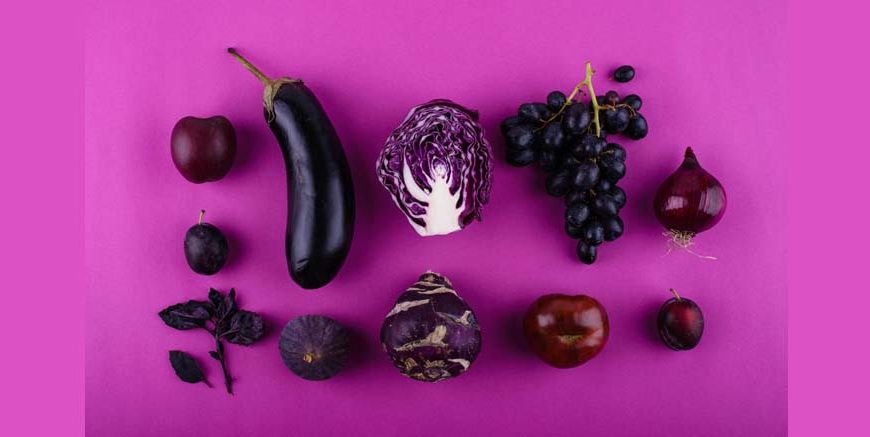
Purple is one of the most beautiful and unique colours found in nature. Many fruits and vegetables come in different shades of purple and are packed with nutrients that support our health. Children often enjoy learning colours through food because it makes learning fun and interactive. Purple foods are not only attractive to look at but are also rich in vitamins and antioxidants. In this blog, we will explore different purple vegetables, learn about purple colour vegetables, discover what purple colour is used for, and look at tasty examples of purple colour fruit and healthy purple food that children can easily recognise and enjoy.
What Does the Purple Colour Represent?
The colour purple is often linked with creativity, wisdom, royalty, and imagination. In nature, purple is a rare and beautiful colour, which is why it stands out so much. When it comes to food, the purple colour is used to identify fruits and vegetables rich in antioxidants. These nutrients help keep our bodies healthy and strong.
Why Purple Food Is Good for Kids
- Helps improve brain health
- Supports healthy digestion
- Strengthens the immune system
- Provides important vitamins and minerals
- Helps protect body cells
Read More – Healthy Foods for Kids to Gain Weight
List of Purple Fruits for Kids
1. Grapes
Purple grapes are sweet, juicy, and rich in vitamins. They are one of the most popular purple fruits for children.
2. Plum
Plums have soft flesh and a sweet taste. They are full of fibre and nutrients.
3. Blackberry
Blackberries are small purple-black fruits packed with antioxidants.
4. Blueberry
Some blueberries appear deep purple and are known for supporting brain health.
5. Fig
Figs are soft, naturally sweet fruits with purple skin.
6. Passion Fruit
Some passion fruits have a purple shell and juicy seeds inside.
7. Elderberry
Elderberries are tiny, dark purple berries often used in juices and syrups.
8. Acai Berry
Acai berries are dark purple fruits known for their nutritional benefits.
List of Purple Vegetables
1. Eggplant
Eggplant, also called brinjal, is one of the most common purple-coloured vegetables.
2. Purple Cabbage
Purple cabbage is crunchy and colourful and is often used in salads.
3. Purple Carrot
Purple carrots are rich in nutrients and look different from regular orange carrots.
4. Purple Sweet Potato
These sweet potatoes have purple flesh and are naturally sweet.
5. Beetroot
Beetroot is dark reddish-purple and is packed with vitamins and iron.
6. Purple Onion
Purple onions are commonly used in cooking and salads.
7. Purple Cauliflower
This colourful cauliflower is rich in nutrients and looks attractive.
8. Purple Kale
Purple kale is a leafy vegetable full of vitamins and antioxidants.
Read More – Choosing Nutrient Rich Foods for Kids
Why Purple Fruits and Vegetables Have Their Colour
The purple colour in foods comes from natural compounds called anthocyanins. These are antioxidants that help protect the body. This is why purple food is often considered healthy and nutritious.
Purple Food and Health Benefits
1. Improves Brain Function
Foods like blueberries and grapes may help memory and concentration.
2. Supports Heart Health
Purple fruits and vegetables contain nutrients that are good for the heart.
3. Boosts Immunity
These foods contain vitamins that help fight illnesses.
4. Helps Digestion
Fruits like plums and figs contain fibre that supports digestion.
5. Keeps Skin Healthy
Antioxidants in purple vegetables help keep skin healthy and glowing.
Easy Purple Foods Kids Can Eat
- Purple grape juice
- Blueberry smoothies
- Beetroot salad
- Roasted purple sweet potato
- Purple cabbage sandwiches
- Fruit bowls with grapes and plums
Fun Facts About Purple Foods
- Purple carrots existed before orange carrots.
- Eggplants are actually fruits, not vegetables.
- Purple cabbage changes colour when cooked with different ingredients.
- Grapes can be used to make raisins.
- Some potatoes are naturally purple inside.
Read More – Root Vegetables For Kids
Importance of Eating Colourful Foods
Eating foods of different colours helps children get many nutrients. Purple foods are only one part of a healthy rainbow diet. Children should also eat:
- Green vegetables
- Red fruits
- Yellow foods
- Orange vegetables
- White foods
A colourful plate is usually a healthy plate.
Purple Vegetables in Everyday Cooking
- Purple onions in curries
- Beetroot in salads
- Eggplant in sabzi
- Purple cabbage in noodles and sandwiches
- Purple sweet potato as snacks
Simple Sentences About Purple Foods
- Grapes are purple and juicy.
- Eggplants are shiny purple vegetables.
- Beetroot is healthy and colourful.
- Purple cabbage looks beautiful in salads.
- Blueberries are small purple fruits.
Discovering Colours Through Healthy Foods
At EuroKids, everyday topics like fruits, vegetables, and colours are turned into exciting learning opportunities. While exploring a list of purple fruits and vegetables, children discover foods such as grapes, brinjal, plums, purple cabbage, and blueberries in a fun, visual way. These activities help children identify colours while also learning about healthy eating habits. By connecting food with learning, children become more curious about nature, nutrition, and the colourful world around them.
Colourful Learning with the HEUREKA Curriculum
The HEUREKA curriculum at EuroKids uses hands-on exploration to make simple concepts more meaningful. While learning about the colour purple, children may sort fruits and vegetables, observe textures, or participate in food-themed activities. These experiences encourage observation, classification, and communication skills. Instead of memorising, children learn by seeing, touching, and discussing real-life objects. This experiential approach helps improve understanding and makes early learning more engaging, interactive, and enjoyable.
Conclusion
Learning about purple vegetables and fruits is a fun way for children to explore colours and healthy eating habits. From juicy grapes and plums to colourful cabbage and eggplants, there are many tasty examples of purple food that children can enjoy every day. These foods are rich in nutrients and help keep the body healthy and strong. Understanding what purple colour is used for also helps children connect colours with nature and nutrition. Adding different purple-coloured vegetables and fruits to meals makes food more exciting, colourful, and healthy. Encouraging kids to eat colourful foods helps them develop better eating habits from an early age.
Parents looking to give their child a strong foundation in early learning can explore EuroKids Preschool Admission to begin this enriching journey.
For more insightful articles that support early learning, awareness, and child development, parents and educators can explore the wide range of resources available on EuroKids Blogs.
For those interested in being part of this impactful learning ecosystem and contributing to quality early education across communities, EuroKids Preschool Franchise opportunities offer a meaningful path forward.
FAQs
What are some common purple vegetables?
Eggplant, purple cabbage, beetroot, and purple onion are common purple vegetables.
What are purple-coloured fruits?
Grapes, plums, blueberries, and blackberries are examples of purple fruits.
Why is purple food healthy?
Purple foods contain antioxidants and important nutrients that help keep the body healthy.
What is purple colour used for in food?
Purple colour often shows that the food contains healthy natural nutrients.
Can kids eat purple vegetables daily?
Yes, purple vegetables are healthy and safe for children.
Why should children eat colourful foods?
Colourful foods provide different vitamins and nutrients needed for growth.