Playing the alphabet game is a timeless, wonderful way to keep young minds engaged during a long car journey or a quiet rainy afternoon at home. It tests their memory, expands their vocabulary, and sparks their natural curiosity about the natural world.
If you have ever played this game, you likely remember the tricky moments. Think back to the challenge of finding a J for animal name. It is easy to get stuck trying to quickly recall a J animal name before the timer runs out! Discovering an animal with letter J or listing all the magnificent animals that start with the letter J, such as the leaping jerboa or the powerful jaguar, was an incredibly exciting adventure. But as we move further down the alphabet, the game changes. We arrive at the lovely, lively letter ‘L’.
Unlike the trickier letters of the alphabet, the letter ‘L’ is absolutely bursting with famous faces. From the golden savannas of Africa to the leafy rainforests of Madagascar, the animal kingdom has reserved some of its most spectacular creatures for this specific letter. Grab your imaginary binoculars, and let us explore the fascinating lives of these incredible animals.
The Majestic Lion
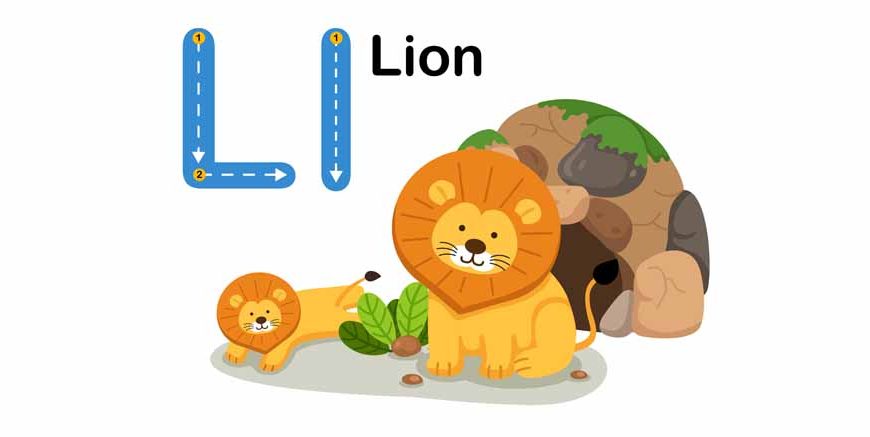
When we talk about animals beginning with the letter ‘L’, we simply must start with royalty. The lion is one of the most famous and universally recognised creatures on the planet.
Unlike most other wild cats who prefer a solitary, quiet life, lions are incredibly social animals. They live in large, close-knit family groups called prides. Pride is a fantastic example of teamwork in the wild. While the male lions, easily identified by their magnificent, thick manes, protect the family’s territory from danger, the incredibly fast and agile lionesses do the vast majority of the hunting.
Teaching children about lions is a brilliant way to introduce them to the concept of community. A lion’s roar is so immensely powerful that it can be heard up to five miles away across the dry savanna! It is a sound that demands respect and reminds us exactly why this golden cat is known as the king of the beasts.
Read More – Words That Start With L
The Stealthy Leopard
Staying within the wild cat family, we meet another breathtaking feline: the leopard. While lions rule the open plains, leopards are the undisputed masters of the shadows and the trees.
A leopard’s coat is a masterpiece of natural camouflage. Their golden fur is covered in dark, beautiful spots called rosettes. These patterns help them blend perfectly into the dappled sunlight of the forest canopy. Leopards are incredibly strong and agile. In fact, they are so powerful that after catching their dinner, they will often drag their meal high up into the branches of a tree to keep it safe from sneaky scavengers like hyenas.
For young children, learning about the leopard highlights the brilliant ways animals adapt to survive. It teaches them that being quiet, clever, and patient is just as important as being loud and strong.
The Lively Lemur
If you want to discover a creature that will make your children smile, look no further than the lively lemur. To find these fascinating animals in the wild, you have to travel to just one specific place on Earth: the beautiful island of Madagascar.
The most famous of this family is the ring-tailed lemur, instantly recognisable by its incredibly long, black-and-white striped tail. Lemurs use these striking tails like flags to communicate with their friends as they travel through the tall grass and swing through the rainforest branches.
They are incredibly energetic and highly social, often seen sitting together in the morning sun with their arms spread wide, soaking up the warmth. Watching a video of lemurs leaping gracefully from tree to tree is a joyful way to learn about the letter ‘L’ and the importance of protecting unique island habitats.
Read More – List of Animals That Live On Land And Water
The Lovely Llama
Let us leave the hot jungles behind and travel high into the chilly, rocky Andes mountains of South America. Here, we find the lovely, fluffy llama.
Llamas are relatives of the camel, though they do not have the giant humps on their backs. They have been domesticated by humans for thousands of years. Because they are incredibly strong and sure-footed on steep mountain paths, people use them as pack animals to carry heavy supplies.
They are also covered in thick, warm wool that helps them survive the freezing mountain winds. One of the most endearing things about llamas is how they communicate. Instead of roaring or barking, llamas softly hum to one another! Introducing children to the llama is a fantastic way to show how humans and animals have worked together throughout history to survive in harsh environments.
The Little Ladybird
Not all amazing animals are large mammals. Sometimes, the most important creatures are small enough to sit comfortably on the tip of your finger. Enter the bright and beautiful ladybird.
In UK English, we call these delightful insects ladybirds, and they are a gardener’s absolute best friend. With their bright red, shiny wing covers decorated with neat black spots, they look like tiny painted jewels. But do not let their cute appearance fool you; they are fierce predators in the insect world.
Ladybirds eat thousands of tiny, plant-destroying pests called aphids. Without ladybirds, our flowerbeds and vegetable patches would be completely ruined. Teaching kids about the ladybird is a wonderful way to prove that you do not need to be big to be highly important to the ecosystem.
A Comprehensive List of Animals Starting with “L”
To help you win your next round of the alphabet game, here is a handy, expansive List of Animals Starting with “L” to keep up your sleeve:
- Lion: The majestic, roaring king of the African plains.
- Leopard: A beautifully spotted, tree-climbing wild cat.
- Lemur: A wide-eyed, leaping primate found exclusively in Madagascar.
- Llama: A fluffy, humming pack animal from the South American mountains.
- Ladybird: A spotted, flying insect that protects garden plants.
- Lynx: A wild cat with tufted ears and huge paws that act like snowshoes.
- Lobster: A hard-shelled marine crustacean with powerful claws.
- Leatherback Turtle: The largest sea turtle in the world, known for its soft, leathery shell.
- Loon: A beautiful diving bird famous for its haunting, echoing call across freshwater lakes.
- Lizard: A massive group of scaly reptiles that can be found basking in the sun all over the globe.
Read More – Wild Animals for Kids
Conclusion
When we sit down and explore the names of the creatures we share our planet with, we are doing far more than just practising phonics or memorising a dictionary. We are opening a window to empathy.
From the thundering roar of a lion to the quiet, busy munching of a tiny ladybird, the animal kingdom is a vast, beautifully connected web. When a child learns the name of an animal and understands how it lives, that creature transforms from a mere picture in a book into a living, breathing neighbour. The true magic of learning the alphabet of nature is realising that every single letter represents a vital piece of our world’s survival. The more names we teach our children, the more likely they are to grow up with the desire to protect the incredible, fragile habitats these creatures call home.
If you are looking to nurture your child’s boundless curiosity and foster a lifelong love for learning, take a moment to read more enriching insights on the EuroKids Blog, and discover the wonderful early education pathways available through EuroKids Preschool Admission.
FAQs
What is the largest animal that starts with the letter L?
The Lion is the largest land predator on this list, but if we look to the ocean, the Leatherback Turtle is an absolute giant, sometimes growing up to two metres long and weighing over 500 kilograms!
Are lions and leopards part of the exact same family?
Yes, they are! Both the lion and the leopard belong to the Felidae family and are part of a specific group known as the “big cats,” which also includes tigers and jaguars.
Why do ladybirds have bright red and black spots?
Their bright, contrasting colours act as a natural warning sign to larger predators like birds. The bright red colour effectively says, “Do not eat me; I taste absolutely terrible!”