We rarely stop to think about the raw materials keeping our lives running. You just expect your front door key to turn without snapping in the lock. You trust the bridge won’t crumble when the bus drives over it. For thousands of years, humans just had sticks and chipped flint to work with. Then, someone pulled a heavy, shiny lump out of a roaring fire, hit it with a rock, and noticed it didn’t shatter into dust. It bent. That single, accidental discovery dragged humanity out of the Stone Age.
But pinning down exactly what these materials are requires a bit of digging. You can’t just call them “hard rocks.” We need to look at the mud, the intense heat, and the hidden science behind the hardest workers on the planet.
Getting a clear metal definition
If someone asked you to define metals in science, you might just knock on a stainless steel fridge and say it is hard and cold. But what is the definition of metal exactly? A proper metal definition describes a naturally occurring, solid material that conducts electricity and heat, is typically hard, and reflects light to create a shiny surface.
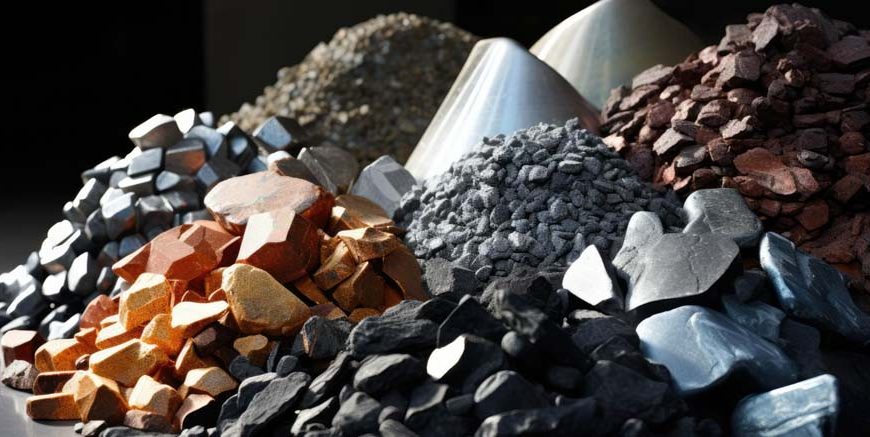
You do not just find perfect, shiny blocks of it sitting in the garden waiting to be picked up. They are pulled from the earth as rough, dirty ores. Miners dig up these messy rocks, and factories blast them in massive furnaces to melt away the useless dirt. What is left behind is the pure, tough element we rely on to build cars, houses, and aeroplanes.
Read More – Lead in the Periodic Table
So, what is metal in chemistry?
It gets even weirder when you look through a laboratory microscope. If an older student asks what is metal in chemistry, teachers usually point to the massive periodic table hanging on the lab wall. These specific elements take up roughly 80% of that entire chart.
On a microscopic level, they act like a crowded dance floor. Their atoms are packed tightly into a neat grid, but their outer electrons are totally free to run around. Imagine a playground where everyone is constantly swapping hats at lightning speed. Because these tiny particles are loose and constantly swapping places, electricity can zip straight through the material without hitting a roadblock. This electron-sharing trick is the sole reason your tablet charges when you plug it into the wall. It allows energy to flow rather than trapping it in one place.
The physical traits that matter
These materials are not just shiny and heavy; they have specific physical quirks that make them useful for building our modern society. Here is a list of their most important traits:
- Malleable: You can smash them with a heavy hammer, and instead of cracking into dust like glass, they just squash flat. This is exactly how we get the thin aluminium foil wrapping your sandwiches.
- Ductile: You can stretch them out into incredibly thin, long wires without snapping them in half.
- Conductive: They are the ultimate transport highways for heat and electricity. Put a steel pan on a gas hob, and the heat travels straight through the solid bottom to boil your pasta water.
- Sonorous: Hit them hard, and they ring. This unique echoing sound is why church bells and school cymbals are cast from them rather than carved from wood.
Read More – How do you make science interesting for kids?
Finding examples of metals around us
You don’t need a hard hat and a mining pick to find them. If a teacher asks you to give two examples of metals, you don’t even have to leave the kitchen. You can point straight at an empty fizzy drink can in the recycling bin or the shiny silver spoon in your cereal bowl. Those are everyday examples of metals.
But they are everywhere else, too. Huge structural steel beams hold up the ceiling at your local supermarket. Soft copper wiring hides inside your living room walls, carrying power to the lights. We even melt different types together to make super-materials called alloys. Brass, for instance, is a clever mix of copper and zinc, resulting in a tough material perfect for door handles, plumbing pipes, and loud trumpets.
A quick list of all metals and their secret codes
Writing a complete list of all metals here is basically impossible because scientists have identified over ninety of them in the known universe. But we can definitely look at the heavy hitters. In chemistry, every element gets a shorthand code so scientists don’t have to write out long words during complicated experiments. Here is a look at some of the most famous metals and its symbols:
- Iron (Fe): The heavy, sturdy stuff used to forge railway tracks and car engines. It is cheap, abundant, and incredibly strong.
- Gold (Au): A soft, highly prized yellow element used to make wedding rings. It is also used to coat the visors of space helmets to block dangerous solar radiation.
- Silver (Ag): Extremely shiny and actually the absolute best conductor of electricity on earth, though it is far too expensive to use for household wiring.
- Copper (Cu): The brownish-orange wire hidden inside basically every plug and electronic device you own.
- Aluminium (Al): Super light but tough, making it the perfect choice for building passenger aeroplanes that need to get off the ground easily.
Read More – Discovering the Periodic Table Elements for Kids
Conclusion
It is quite wild to think that the same dirt we walk over every day contains the exact ingredients needed to build space stations and mobile phones. The jump from banging rocks together to forging steel completely changed how human beings live, travel, and communicate with each other. Teaching kids to understand the physical world around them is about more than just passing a science test; it is about respecting the raw resources that keep our modern lives moving. When children grasp how things are made, they start treating the environment with a lot more care. This kind of deep, hands-on understanding of the physical world is a core pillar of the Heureka Curriculum, which pushes young minds to question, touch, and investigate rather than just memorising dry facts from a board. To dig deeper into our teaching methods and find more ways to spark your child’s curiosity, check out the latest updates on the EuroKids Blog and secure their place today with EuroKids Preschool Admission.
FAQs
Do any of these elements stay liquid?
Yes. Mercury is a heavy, silvery element that remains completely liquid at normal room temperature. It was famously used inside old glass temperature thermometers.
Why do some old coins turn green?
When elements like copper are left outside in the damp air, they react with oxygen. This creates a pale green layer called a patina, which actually shields the rest of the object from rotting away.
Can we run out of these materials?
Absolutely. Since they are mined directly from the earth’s crust, there is a limited supply. This is why recycling your empty tins and old electronics is so crucial for the planet.