Sort through a dusty box of old antique trinkets at a local car boot sale, and you might come across a small, dull grey metal object that feels shockingly heavy for its size. Unlike glittering gold or highly polished silver, this particular metal does not catch the eye from a distance. It sits quietly in the background, looking rather boring and feeling slightly greasy to the touch. Yet, this incredibly dense, soft material helped ancient civilisations build massive cities, plumbing networks, and grand roofs. Today, it serves a totally different but equally vital purpose, protecting modern doctors from invisible hospital radiation. Today, we are taking a much closer look at a heavy metal that has completely shaped human history, exploring its unique quirks, its hidden dangers, and its brilliant modern applications for young science enthusiasts.
Unlocking the Historical Name
What do we actually call this heavy, grey block of metal when we are doing proper science? In ordinary, everyday conversation, we just use its common English title. However, if you dig into historical textbooks, the lead chemical name is far more interesting and tells a brilliant story about ancient engineering. The Romans originally called it plumbum.
This specific lead scientific name is not just a random Latin word; it is actually the direct root of a very common modern job title. Because the clever Roman engineers figured out that this grey metal was perfectly soft, waterproof, and completely resistant to rusting, they used it to craft all the intricate water pipes for their massive public bathhouses and street fountains. The workers who fixed and installed these heavy plumbum pipes became known as plumbers! Even though we use safe copper and plastic for our water pipes today, the ancient name permanently stuck around.
Read More – How do you make science interesting for kids?
Spotting it on the Science Chart
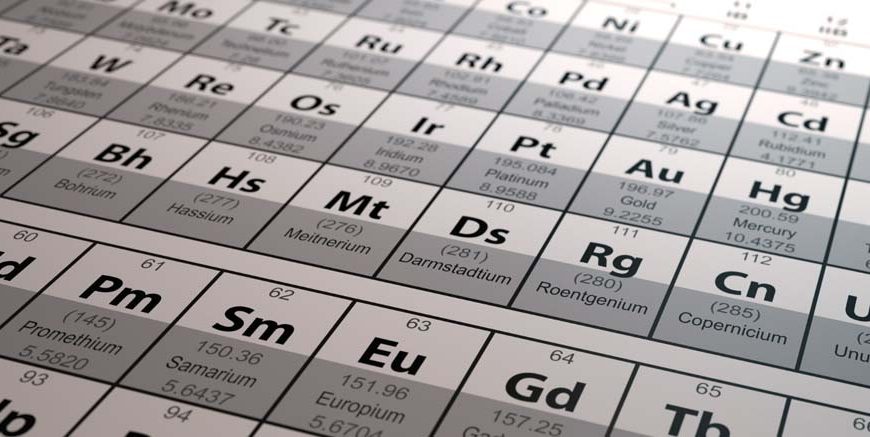
When older children start studying chemistry at school, they have to navigate a massive, colourful chart of natural building blocks. If you want to successfully find the lead element, you have to look down towards the very bottom rows of the chart, where the heaviest, most complicated metals live.
You will find it sitting proudly under the Pb periodic table symbol, which is a direct, shortened nod to that ancient Roman plumbum title. On this chart, it holds the atomic number 82. This specific number is incredibly high, which tells scientists that the invisible core of this atom is packed tightly with a massive crowd of protons and neutrons. That dense, crowded atomic core is exactly why a small, fist-sized block of this metal feels so surprisingly heavy when you hold it in the palm of your hand. If you hold a block of aluminium in your left hand and an identically sized block of this metal in your right hand, the grey block will feel shockingly heavy, dragging your arm downwards.
Testing the Limits: is lead ductile?
Kids absolutely love testing the physical limits of different materials, bending garden twigs until they snap, squashing soft play dough, and stretching elastic bands. When professional scientists test raw metals, they look at two highly specific physical actions: malleability (how well it squashes) and ductility (how well it stretches).
So, is lead ductile? The scientific answer is actually a bit of a mixed bag. While it is incredibly malleable, meaning you can easily hit it with a heavy metal hammer and squash it into completely flat, thin sheets without it cracking or shattering, it is actually quite poorly ductile. If you try to grab a thick, solid piece of it and stretch it out into a very thin, long wire, it will quickly snap in half. It completely lacks the internal tensile strength of metals like copper or gold, which can be stretched into miles of thin, unbroken electrical wire. However, it remains incredibly soft; you can actually scratch a deep groove into a pure block of it using absolutely nothing but your bare fingernail.
Read More – Discovering the Periodic Table Elements for Kids
The Shift from Everyday Use to Specialist Tool
For hundreds of years, people used this soft metal for absolutely everything. The Victorians put it into their brightly coloured house paints, and ancient people even ground it into a fine powder to use as facial makeup.
However, modern science eventually discovered a massive, hidden problem. We now know that eating or breathing in the microscopic dust from this metal is highly toxic to the human body, particularly for growing children. It can cause severe stomach aches and make it very difficult for the brain to learn new things. Because of this discovery, it was strictly banned from being used in household paint, drinking water pipes, and car petrol. Instead of being an everyday household material, it became a highly specialist tool, locked away in factories and hospitals where its unique weight could be used safely.
Modern Everyday Uses
While you will not find it in your kitchen cupboards anymore, its unique physical heaviness makes it absolutely vital for other modern, heavy-duty jobs. Here is a clear, descriptive list of ways we still heavily rely on it today:
- Car Batteries: The heavy, plastic rectangular battery sitting under the bonnet of almost every standard family car relies entirely on a bath of acid and thick plates of this grey metal to successfully hold an electrical charge and start the engine on a cold morning.
- H3 Medical Radiation Shields: When you go to the local dentist for a tooth X-ray, the nurse places a heavy, protective apron over your chest. That apron is heavily lined with this dense metal because its tightly packed atoms completely block harmful radiation beams from passing through to your delicate internal organs.
- Roof Flashing: House builders use flat, easily squashed sheets of it on domestic roofs, particularly wrapping it around brick chimneys. Because it bends so easily into awkward, tight shapes, it creates a perfect, waterproof seal that completely stops winter rainwater from leaking inside the loft.
- Deep Sea Scuba Weights: Deep-sea divers wear thick nylon belts filled with solid blocks of this metal to help them sink quickly and smoothly into the ocean, fighting against the natural, floating buoyancy of their thick rubber wetsuits.
Read More – Cobalt Element Explained
Conclusion
Holding a solid, surprisingly heavy piece of this dull metal is a brilliant reminder that a natural material does not need to be sparkling, expensive, or beautiful to be incredibly useful to humanity. It is genuinely thought-provoking to realise that the exact same dense element that built ancient, sprawling Roman water systems is now actively used to protect modern hospital surgeons from invisible X-ray beams.
Nature provides us with a vast, highly diverse toolkit of raw elements, and learning how to safely and cleverly use each one is the ultimate goal of modern engineering. Teaching children about both the historic triumphs and the toxic environmental dangers of these natural materials creates a much deeper, balanced respect for the physical world around them. To give your child a head start in understanding the wonders of science through the brilliant Heureka Curriculum, discover more engaging articles on the EuroKids Blog and register their interest for the upcoming term via EuroKids Preschool Admission.
FAQs
Is there actual lead in standard school pencils?
No, this is a very common historical myth! The dark grey core inside a writing pencil is actually made of a completely harmless, soft carbon material called graphite, which is gently mixed with a bit of natural clay.
Why did people eventually stop putting it in household paint?
Scientists realised that as the old paint dried and chipped off the walls, it created a toxic, sweet-tasting dust. If young children accidentally swallowed these flaky chips, it caused severe stomach illness and long-term learning difficulties.
Can a standard fridge magnet pick up a block of this metal?
Not at all. Despite being incredibly heavy and dense, it is completely non-magnetic. A strong magnet will simply slide right off its smooth, grey surface without sticking or pulling in the slightest.