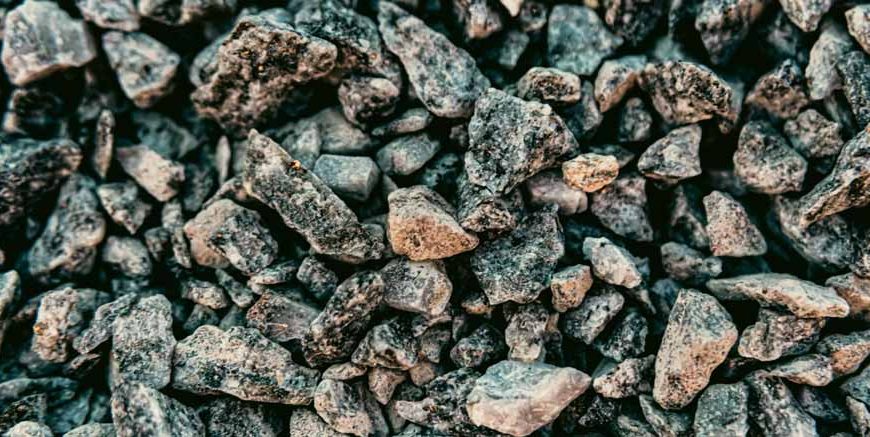
The Earth is filled with valuable natural resources that help us build, create, and develop modern life. Among these resources, ores play a very important role. From the metals in our mobile phones to the materials used in buildings and vehicles, many everyday objects come from ores. For students, understanding ores is an essential part of learning science and geography. In this blog, we will explore what ores are, and learn about common ore types.
What is an Ore?
An ore is a natural rock or mineral that contains valuable metals or substances that can be extracted and used for various purposes. Ores are usually found in the Earth’s crust and are mined to obtain useful materials. For example, iron ore is used to produce iron, while bauxite is used to make aluminium. These metals are then used to create products that we use in our daily lives.
Read More – How do you make science interesting for kids?
Difference Between Minerals and Ores
Minerals are naturally occurring substances found in the Earth, whereas ores are minerals that contain enough valuable material to be mined profitably. In simple terms, all ores are minerals, but not all minerals are ores.
How Are Ores Formed?
Ores are formed through natural processes that take place over millions of years. These processes include:
- Cooling and solidification of molten rocks
- Deposition from water or underground fluids
- Weathering and erosion of rocks
Common Types of Ores
1. Iron Ore
Iron ore is one of the most important and widely used ores. It contains iron, which is used to make steel.
Uses of Iron Ore:
- Construction of buildings and bridges
- Manufacturing of vehicles
- Production of tools and machinery
Iron ore plays a major role in industrial development.
2. Bauxite (Aluminium Ore)
Bauxite is the main source of aluminium. Aluminium is a lightweight metal that is widely used in everyday life.
Uses of Bauxite:
- Making aluminium foil
- Manufacturing aircraft and vehicles
- Producing kitchen utensils
Because aluminium is resistant to rust, it is very useful in many industries.
3. Copper Ore
Copper ore contains copper, a metal known for its excellent electrical conductivity.
Uses of Copper Ore:
- Electrical wiring
- Electronics and devices
- Plumbing systems
Copper is essential for modern technology and infrastructure.
4. Gold Ore
Gold ore contains gold, a precious metal that is highly valued for its beauty and rarity.
Uses of Gold Ore:
- Jewellery making
- Coins and investments
- Electronics
Gold is also used in medical and technological applications.
5. Silver Ore
Silver is another precious metal that is extracted from its ore.
Uses of Silver Ore:
- Jewellery and decorative items
- Electronics
- Photography
Silver has both industrial and ornamental uses.
6. Zinc Ore
Zinc is commonly found in ores such as sphalerite.
Uses of Zinc Ore:
- Galvanising iron to prevent rust
- Making batteries
- Producing alloys
Zinc helps protect metals and improve their durability.
7. Lead Ore
Lead is a heavy metal found in ores like galena.
Uses of Lead Ore:
- Batteries
- Radiation shielding
- Cable coverings
Lead is widely used in industries, especially in battery production.
8. Nickel Ore
Nickel is a metal used in making strong and corrosion-resistant alloys.
Uses of Nickel Ore:
- Stainless steel production
- Coins
- Batteries
Nickel is important for manufacturing durable materials.
Read More – Uses of Lead For Students
Importance of Ores in Daily Life
Ores are extremely important because they provide the raw materials needed for many products. Without ores, modern life would not be possible. Here are some ways ores are used in daily life:
- Building houses, roads, and bridges
- Manufacturing vehicles and machines
- Producing electronic devices
- Making tools and household items
Mining of Ores
Mining is the process of extracting ores from the Earth. There are different methods of mining, including:
- Surface mining
- Underground mining
- Open-pit mining
After extraction, ores are processed to separate the valuable materials from the rest of the rock.
Environmental Impact of Mining
While ores are valuable, mining can have negative effects on the environment. Some of the impacts include:
- Deforestation
- Soil erosion
- Water pollution
- Air pollution
Conservation of Minerals and Ores
Since ores are natural resources, they are limited and can be depleted over time. It is important to use them wisely. Some ways to conserve ores include:
- Recycling metals
- Reducing waste
- Using alternative materials
- Promoting sustainable mining practices
How EuroKids Helps Children Understand Science Concepts
At EuroKids, children are introduced to basic science concepts like ores and natural resources through fun and interactive methods. Instead of memorising definitions, children learn by exploring and observing. Teachers use visual aids, storytelling, and activities to explain concepts in a simple way. For example, children may learn about metals by identifying objects made from different materials or participating in group discussions. This approach helps children develop curiosity and a deeper understanding of the world around them.
Conclusion
Ores are an essential part of our natural resources and play a vital role in our daily lives. From iron and copper to gold and aluminium, different types of ores provide the materials needed to build and create modern technology and infrastructure. By learning about ores, students gain valuable knowledge about science, geography, and environmental conservation. With engaging learning methods and practical examples, students can easily understand complex topics like ores and develop a lifelong interest in science.
Parents looking to give their child a strong foundation in early learning can explore EuroKids Preschool Admission to begin this enriching journey.
For more insightful articles that support early learning, awareness, and child development, parents and educators can explore the wide range of resources available on EuroKids Blogs.
For those interested in being part of this impactful learning ecosystem and contributing to quality early education across communities, EuroKids Franchise opportunities offer a meaningful path forward.
Frequently Asked Questions (FAQs)
1. What is an ore?
An ore is a natural rock or mineral that contains valuable metals that can be extracted and used.
2. What is the difference between a mineral and an ore?
All ores are minerals, but not all minerals are ores. Ores contain enough valuable material to be mined profitably.
3. What are some common types of ores?
Common ores include iron ore, bauxite, copper ore, gold ore, and zinc ore.
4. Why are ores important?
Ores provide the raw materials needed to make products like tools, buildings, and electronic devices.
5. How can we conserve ores?
We can conserve ores by recycling metals, reducing waste, and using resources responsibly.