Picture a heavy, freezing winter morning in a North Indian classroom. You watch your child try to grip a pencil to finish a handwriting test, but their fingers have gone completely numb from the cold. They push their books aside and tuck their hands into their pockets, unable to focus on the teacher’s lesson. Even when you dress your youngster in heavy layers, cheap synthetic school uniforms often trap sweat inside while letting the chilly wind pass straight through. Parents regularly face this exact problem every December, trying to find winter clothes that keep children warm without causing itchy skin rashes or making them look too bulky to run around. This straightforward guide breaks down the physical properties, animal origins, and top uses for students of this natural fibre.
Understanding the Material and Biological Origin
It is a natural living protein structure very similar to human hair and fingernails. This protein substance, called keratin, gives the fibre its superb natural elasticity. You can bend a single strand thousands of times without it snapping or losing its springy shape. Under a microscope, the surface of each hair looks like it is covered in tiny fish scales. When factories spin raw fleece into long balls of yarn, these microscopic scales lock into each other tightly. This interlocking setup keeps water droplets from quickly soaking into the clothes, giving your child a naturally water-resistant coat during light monsoon drizzle.
Read More – Winter Clothing for Kids
The Physical Properties of Wool
This raw material behaves very differently from petroleum-based plastics like nylon or polyester because it interacts with human skin. The individual curly hairs carry a natural coat of waxy oil called lanolin, which keeps the animal dry on open wild pastures. When processing plants, wash the raw clip; they extract this wax for skin creams, but enough of it stays on the strands to repel household dust. This means your child’s winter uniforms require less washing and rarely hold onto stubborn playground mud stains. Furthermore, the material has built-in fire-safety properties, meaning it will not melt or catch fire easily, providing an extra layer of protection when children try simple kitchen tasks or school science experiments.
Top 5 Uses of Wool for Primary School Students
1. Thermal Uniform Sweaters and Cardigans
The most common way your child uses this material every day is through their winter school uniform sweater, vest, or blazer. Wearing a high-grade wool textile garment ensures that your child’s body keeps a steady, healthy temperature even when the schoolroom floor feels like ice. The trapped air pockets inside the curly yarn block the cold morning breeze while letting skin moisture pass out freely. This superb breathability prevents that damp, sweaty feeling that cheap acrylic sweaters often cause after a fast game of tag during the school recess hour.
2. High-Contrast Craft Felt and Yarn Work
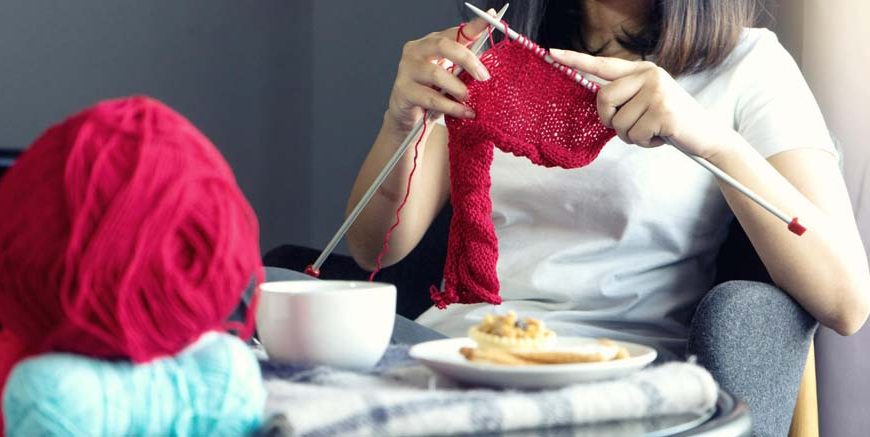
Primary school students regularly use compressed sheets of thick felt and bright yarn balls to finish their weekend art assignments. Because the raw fibres mesh together naturally when pressed with warm water, crafters can make tough sheets of felt without using any synthetic chemical glues. Your child can easily cut these colourful felt sheets into neat squares, stars, or map outlines for school displays without worrying about the edges fraying or falling apart during the class presentation.
3. Acoustic Insulation Panels in School Auditoriums
A surprising application that interests older primary students is the use of thick felt layers to control sound waves inside noisy public buildings. Large school auditoriums, music rooms, and speech halls often use wall panels stuffed with dense animal fibres to absorb loud echoes. The messy, multi-layered layout of the interlocking strands traps sound waves rather than reflecting them back into the room. This soundproofing allows kids sitting in the back row to hear the principal’s voice with perfect clarity during morning assemblies.
4. Shock-Absorbing Sports Equipment and Insoles
Your child relies on this natural fibre to stay comfortable and safe while playing sports on the turf. High-quality tennis balls, cricket balls, and athletic shoe liners use thick felt coatings to absorb heavy impacts and withstand friction and heat. Slipping soft, natural insoles inside formal leather school shoes protects your child’s heels from painful blisters and absorbs foot sweat during long sports matches, keeping their feet fresh and clean.
5. Durable Household Blankets and Furnishings
Outside the school classroom, heavy woven blankets and soft bedroom carpets provide essential comfort and safety for your toddler. Because the material naturally repels dust mites, inhibits the growth of common bacteria, and cleans indoor air by trapping minor pollutants, it creates a very healthy sleeping spot. A heavy winter blanket ensures your child enjoys deep, quiet sleep all night long, giving their brain the rest it needs to tackle tough math challenges the next morning.
Read More – Clothes in Different Seasons
How EuroKids Builds Early Observation Skills
Long before young children enter a primary school classroom to study textile manufacturing or environmental science, their basic sensory skills are developing in preschool. EuroKids shapes early learning spaces to ensure that toddlers explore different textures, natural materials, and seasonal changes through hands-on play. By incorporating tactile fabric-sorting games, seasonal dressing charts, and active outdoor play into the daily preschool plan, the learning setup builds strong cognitive confidence. This early sensory training ensures that your child’s mind handles complex scientific classifications and environmental topics with absolute ease when they move into higher classes.
Conclusion
The story of this ancient natural resource shows us that the best solutions to everyday human comfort come directly from nature rather than chemical factories. From providing breathable warmth in a Class 1 uniform to blocking out loud echoes in a giant school auditorium, this incredible protein strand proves that simple natural elements hold immense value. Real learning happens when you look past the basic price tag of a sweater and appreciate the beautiful mix of physics, biology, and human effort that goes into weaving every single winter garment. Encouraging your youngster to learn where their everyday clothes come from today helps ensure they grow into thoughtful, responsible citizens who make sustainable choices for our planet tomorrow.
For more useful, family-friendly tips on childhood learning milestones and early growth, take a look at the EuroKids Blog and discover how to set your child’s educational path on the right track today with EuroKids Preschool Admission.
Frequently Asked Questions
1. Why does a wool sweater sometimes scratch a child’s neck?
The itchy feeling occurs when a garment is made with cheap, thick, coarse hairs with large surface scales that poke the skin. Choosing fine, high-grade options like Merino wool ensures the strands remain thin and bend softly against the body without causing redness or irritation.
2. Is wool a truly sustainable and green choice for young families?
Yes, it is a fully renewable resource because it grows back naturally on sheep every year after shearing. Furthermore, unlike synthetic polyester fabrics that sit in trash heaps for hundreds of years, this natural protein fibre fully breaks down in garden soil within a few months.
3. What is the safest way to wash school winter sweaters at home?
You should always wash these delicate clothes in cold water with a mild liquid detergent formulated for delicate protein fibres. Avoid twisting or wringing the wet sweater with rough hand pressure, as this can permanently lock the microscopic scales together and cause severe shrinkage.
4. How does this heavy material keep you cool in warm weather?
The fibre acts as a natural air conditioner by moving moisture away from your skin before it even turns into liquid sweat. When the outside air is hot and dry, the fibre releases its trapped water vapour, which naturally cools the layer of air next to your skin.