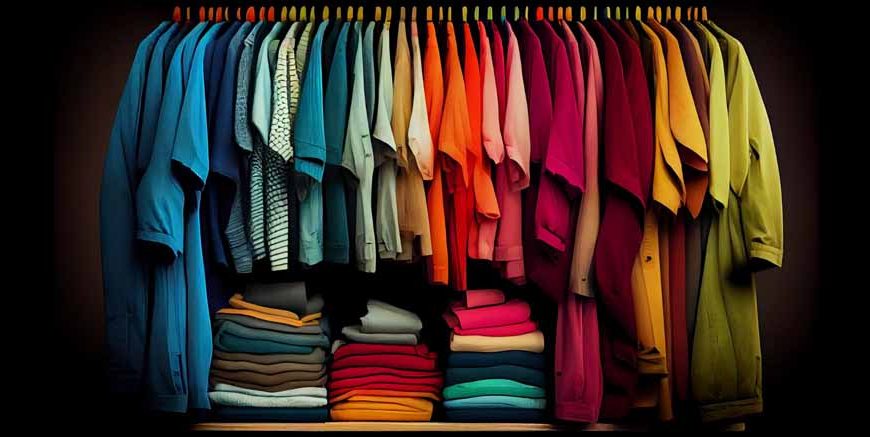
Think about waking up in the morning. After brushing your teeth and washing your face, what is the very first thing you do? You open your closet and pick out something to wear! Sometimes you grab a soft, bright t-shirt, and other times you pull out a thick, heavy sweater. Clothes are a massive part of our daily lives, but we rarely stop to think about how important they truly are.
Today, we are going to learn all about the garments we wear. We will figure out why we wear them, look at how they change as the weather changes, and explore the beautiful traditional outfits worn across our country.
The Big Question: Why Do We Need Clothes?
If a younger friend looks at you and asks, why do we need clothes, the answer is actually very simple. We do not just wear them to look smart or colorful. The main job of any piece of clothing is to protect our soft bodies.
When you go to the park to play, your clothes act like a protective shield. They protect your delicate skin from the harsh, burning rays of the sun. They keep flying dust and dirty mud away from your body. In the evening, wearing full pants and long sleeves actively protects your arms and legs from itchy mosquito and bug bites. Clothes are our body’s first line of defense against the outside world.
Read More – Dressing Safety for Different Weather Conditions
Matching the Weather: Season and Clothing
Our Earth changes its weather every few months. Because the outside weather changes so drastically, our wardrobes must change right along with it. The connection between season and clothing is incredibly strong. If you try to wear a heavy woolen jacket on a hot May afternoon, you will sweat terribly and feel quite sick. If you wear a thin cotton vest in cold December, you will shiver and quickly catch a cold. This is exactly why we need to carefully understand the different clothes in different seasons.
Sunny and Hot Summers
During the hot summer months, the sun shines very brightly and we sweat a lot. So, the clothes we wear in different seasons like summer need to be extremely light and airy. We wear soft cotton t-shirts, shorts, and skirts. Cotton is a wonderful, natural material because it quickly soaks up our sweat and lets the cool wind directly touch our skin, keeping us perfectly comfortable.
Freezing and Cold Winters
When the cold winter winds finally start blowing, thin cotton is simply not enough. We need to trap our natural body heat inside so it does not escape into the cold air. We immediately switch to thick, heavy materials like wool. We pull out our warm sweaters, woolen socks, soft scarves, and thick jackets to stay cozy and safe from the freezing temperatures.
Read More – Winter Clothing for Kids
When the Sky Pours: Rainy Season Clothes Name
Then comes the fun monsoon season! When the dark clouds gather and it starts raining heavily, we cannot step out in our normal cotton shirts or woolen sweaters because they will soak up the water like a sponge.
If a teacher asks you for a rainy season clothes name, you should immediately think of a raincoat. Raincoats are made of a special waterproof material, like plastic or rubber, that completely stops the water from reaching your inner clothes. We also wear long rubber gumboots to jump in muddy puddles safely without getting our feet wet, and we carry colorful umbrellas to block the falling raindrops from hitting our heads.
Read More – Teaching Kids About Weather and Seasons
A World of Variety: Different Types of Clothes
Apart from the weather outside, the clothes we put on also depend entirely on what we are doing on that specific day. There are many different types of clothes sitting in our closets for different activities.
- Uniforms: When you get ready for school, you wear a very specific set of clothes called a uniform. This shows that you belong to that school. Police officers, doctors, and firefighters also wear strict uniforms so people in the city can easily recognize them and ask them for help.
- Nightwear: When the sun goes down and it is time to sleep, we take off our tight day clothes and change into loose, comfortable pajamas. This helps our bodies relax completely for a good night’s rest.
- Party Wear: When we attend a birthday party or a big family wedding, we want to look our absolute best. We wear our most shiny, beautiful, and colorful outfits to celebrate the happy occasion.
Celebrating Our Roots: Traditional Clothes
India is a very large and highly diverse country. If you travel from one state to another on a train, you will notice that people wear completely different things. Traditional clothes show us the rich history and culture of a specific place.
In Punjab, women often wear colorful Salwar Kameez, while men wear Kurta Pajamas with neat turbans. In West Bengal, women wear beautiful cotton Sarees, and men wear comfortable Dhotis. These special, traditional clothes are usually worn during big festivals, weddings, and family celebrations to honor our past and show respect to our grandparents.
At EuroKids, we absolutely love seeing children learn about their rich culture. When we host a ‘Traditional Dress Day’ at the center, the classrooms look like a beautiful, bright rainbow. Children get to walk around proudly showing off their native outfits, which naturally teaches them to respect and love everyone’s unique background.
Conclusion
To sum everything up, the clothes we wear do much more than just cover our bodies. They are a powerful tool for daily protection. They keep us perfectly cool in the hot summer sun, incredibly warm in the freezing winter wind, and totally dry during a heavy rainstorm. They give us a sense of belonging through our school uniforms, and they help us proudly celebrate our beautiful culture during festivals.
As you fold your favorite t-shirt and put it away in your cupboard tonight, it leaves you with a quiet, thought-provoking idea. Long ago, early humans only had dry animal skins and large green leaves to protect themselves from the freezing cold and heavy rain. Today, we have massive farms growing soft cotton and entire factories making warm wool just to keep us comfortable. It gently reminds us to be incredibly thankful for the soft, warm fabric resting on our shoulders every single day.
To read more fun and educational articles, check out the EuroKids Blog, and visit our website for details on EuroKids Preschool Admission.
FAQs
Why is cotton the best material for summer?
Cotton is highly breathable. This means it allows fresh air to pass through it easily, and it quickly absorbs the sweat from your body, keeping your skin dry and cool.
Where do we get thick wool from?
We get natural wool by gently shaving the thick, curly hair off animals like sheep, goats, and sometimes even rabbits! It does not hurt the animals, and their hair simply grows back.
Why do we wear uniforms to school?
Wearing a uniform creates a sense of equality. It ensures that every single child looks the same, meaning nobody feels left out based on what kind of clothes they can afford to wear.
Can clothes actually protect us from falling sick?
Yes! By keeping us warm in the winter and dry in the rain, our clothes stop our body temperature from dropping too low, which prevents us from catching fevers and bad colds.