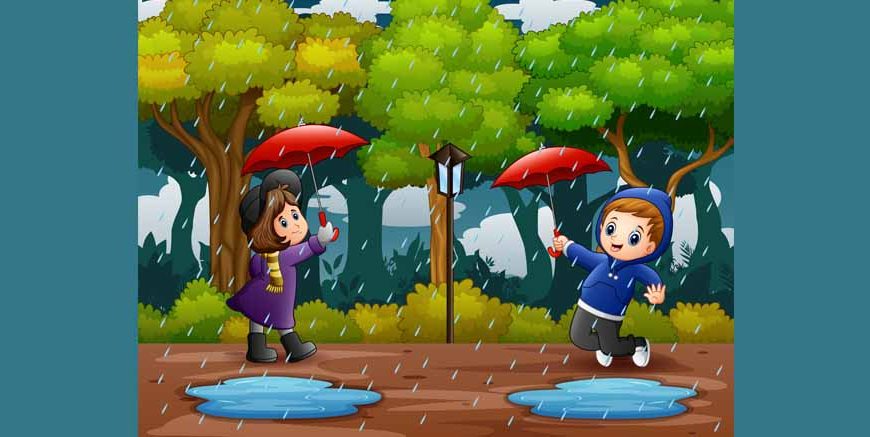
The moment the first heavy drops hit the dry pavement, the entire neighbourhood completely changes. You get that incredible, earthy smell floating in the breeze, the sticky summer dust finally settles, and out come the colourful wellington boots. While splashing enthusiastically in massive muddy puddles is undoubtedly the most fun part of a wet afternoon for any toddler, those falling drops are actually doing a ridiculous amount of heavy lifting for our planet behind the scenes. Without those gloomy grey clouds rolling in, everything from our morning bowl of cereal to the water coming out of the bathroom tap would simply stop existing. Let us break down exactly what happens when the sky decides to open up and why we should be grateful for the drizzle.
The True importance of rainfall
We often complain loudly when a sudden, unexpected shower ruins a weekend trip to the park, but the actual importance of rainfall cannot be overstated. It is the ultimate, free delivery system for the earth. Think of our planet as a giant, incredibly thirsty sponge. When the weather stays dry and hot for too long, the rivers start to shrink, the dirt cracks open, and the local wildlife struggles to find hydration.
The water falling from the sky is completely fresh. When the sun heats up the salty ocean, the water turns into invisible vapour and floats up into the sky, leaving all the heavy salt completely behind. This fresh, floating vapour eventually clumps together to form clouds. When it falls back down, it provides a brand new, clean delivery of freshwater that keeps our rivers flowing, refills our underground wells, and ensures every single living creature has something safe to drink.
Read More – How Rain Is Formed for Kids
How is rain useful to us explain with examples
When curious kids inevitably ask, how is rain useful to us explain with examples. The easiest way to answer is to just look at a normal morning routine. When you turn on the bathroom shower to wash your hair, that water likely came from a local, man-made reservoir that was slowly filled up by heavy autumn storms.
When you sit down to eat a crunchy apple in your packed lunch, that fruit only managed to grow because the farmer’s orchard received enough natural showers during the spring months to feed the tree roots. Even the electricity powering the television in your living room often comes directly from hydroelectric dams. These massive concrete dams rely entirely on millions of gallons of water constantly flowing down from rain-soaked mountains to spin their giant turbines and generate power.
Exploring the uses of rainwater and uses of rainfall
Beyond just filtering it for drinking, the practical uses of rainwater are absolutely everywhere. Agricultural farmers rely heavily on it to water huge, sprawling fields of wheat, potatoes, and carrots. Without this natural delivery, farmers would be forced to pump millions of litres of water from deep underground pipes, which is incredibly expensive, time-consuming, and ultimately very bad for the local environment.
In wild forests and local parks, the natural uses of rainfall include washing the thick layers of dirt and dust off tree leaves so they can properly absorb sunlight to make their own food. It also quickly fills up small woodland ponds, puddles, and streams, ensuring that wild foxes, badgers, hedgehogs, and birds always have a reliable place to cool down and hydrate during the warmer months.
Read More – Rainy Day Activities for Preschoolers
Advantages of rain and benefits of rain
It is very easy to see the immediate advantages of rain when you look closely at a back garden. Tap water from the kitchen sink is treated with safe chemicals, like chlorine, to make it perfectly clean for humans to drink. However, delicate plants do not particularly like those added chemicals.
Natural showers, on the other hand, are completely pure and actually contain nitrogen pulled straight from the atmosphere as they fall. This nitrogen acts like a brilliant, completely natural fertiliser, making the grass look instantly greener. Furthermore, the benefits of rain also extend to cleaning the actual air we breathe. A heavy, thunderous downpour acts like a giant washing machine for the sky. The falling drops trap floating pollution, car exhaust smoke, and pollen particles, dragging them aggressively down to the ground and leaving the outside air smelling wonderfully crisp and clean.
Why We Save It For Later
Because the British weather can be highly unpredictable, we cannot always rely on the clouds to open up exactly when we desperately need them to. This is where clever, proactive conservation comes into play. Here is a quick list of reasons why people actively collect this free water:
- Stopping local floods: Catching the runoff from house roofs stops it from rushing aggressively down the residential streets and overwhelming the local street drains.
- Saving household money: Using collected natural water for garden chores means relying much less on expensive, metered tap water from the local council.
- Helping the planet: It puts significantly less pressure on local water treatment plants during the hot, dry summer months.
This sensible practice is brilliant, and the everyday uses of rainwater harvesting are becoming much more popular in normal households. People simply place large, plastic water butts attached directly to their roof gutters to catch the runoff during a storm. They then use this stored, free supply to wash their muddy cars, water the thirsty flowerbeds during a strict summer hosepipe ban, or even hook it up to safely flush their indoor toilets.
Teaching young children about the true importance of rain water harvesting shows them early on that fresh water is a highly precious, limited resource that we need to actively protect and store, rather than just letting it wash uselessly away down the concrete drains.
Read More – Types of Weather for Kids
Conclusion
To summarise everything, those grey, drizzly afternoons are actually performing vital magic tricks all around us. They are naturally watering our food, scrubbing our air clean of pollution, filling up our local rivers, and keeping the entire global ecosystem perfectly balanced. It is quite profound to realise that the exact same water droplets bouncing off your umbrella today have been cycling around the earth for millions of years, keeping absolutely everything alive.
The next time you get caught out in a sudden, freezing downpour, try your best not to grumble about getting your shoes wet. Instead, take a quick moment to appreciate the incredible, life-giving delivery happening right in front of you. To discover more fascinating ways to teach your children about the natural world and to actively encourage their environmental curiosity, explore the latest educational guides on the EuroKids Blog and secure their vibrant learning journey today through EuroKids Preschool Admission.
FAQs
Why does the ground smell so incredibly good after a summer storm?
That wonderful, earthy scent is scientifically called petrichor. It is caused by natural plant oils and special bacteria hiding in the dry soil that get forcefully kicked up into the air when the heavy water droplets hit the ground.
Can you safely drink water straight from the sky?
While it is mostly very clean when it first forms high up in the clouds, it can easily pick up floating dust and smoke pollution as it falls through the sky, so it is always best to let it be properly filtered and cleaned before filling your glass.
What happens if it rains too much in one go?
While we absolutely need it to survive, too much falling at once can cause the hard ground to become completely waterlogged. When the dirt cannot absorb any more liquid, it leads to fast-moving floods that can damage local homes and ruin farm crops.