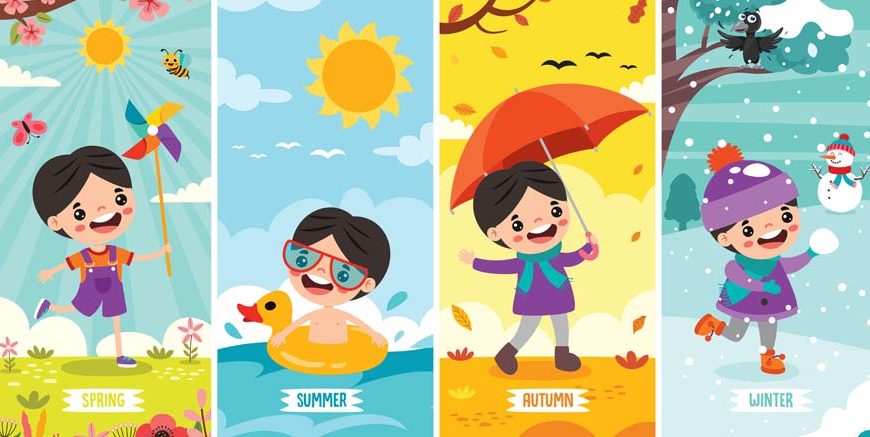
Pushing open the front door in the morning brings an immediate physical feeling. Sometimes it is a warm breeze that makes you want to run straight to the park, and other times it is a cold chill that makes you zip your jacket all the way up to your chin. For young learners, the sky acts like a giant, unpredictable playground. Teaching them how to name and understand these daily changes helps them make sense of the natural world. It also helps them learn how to prepare for the day, like knowing exactly when to grab thick rubber boots or when to wear a light cotton shirt. Today, we are going to break down the science of the sky into easy, manageable pieces.
Breaking Down the Basics
Let us start with a basic weather definition for kids. If a curious child points at the sky and asks, “what is weather?”, you can explain that it is simply a mood ring for the sky. It describes exactly what the air and sky are doing outside your house at this very minute. It tells us if the air is hot or freezing cold, if the sky is clear or filled with thick gray clouds, and if the air is moving fast or staying completely still.
For instance, a great example of weather is when you step outside and immediately feel wet drops of water falling on your head. That means the current condition is rainy. It is highly important to remind children that these conditions are temporary and constantly shifting. What happens today might be totally different from what happens tomorrow morning.
Read More – Weather Charts for Kids
Exploring the Variations
A common question from growing students is how many types of weather actually exist? There is not one strict number because nature loves to mix things up. You can easily have a day that is both extremely windy and brightly sunny at the exact same time. However, to make it easy to learn, we usually divide the daily forecast into a few main categories.
Learning these basic weather names helps children build a strong, confident vocabulary to describe their surroundings. Here are the main types of weather you can observe together:
1. Sunny
This is when the big, bright sun shines clearly without any thick clouds blocking its light. The sky looks perfectly blue. Sunny days usually bring warmer air to the neighborhood, making it the perfect time to play outdoor games, ride bicycles, and plant new seeds in the garden.
2. Cloudy
On these days, giant puffs of white or dark gray water vapor cover the sky. Sometimes, they act like a thick, heavy blanket and hide the sun completely. It usually feels a little cooler outside, and you will notice that the shadows on the ground completely disappear.
3. Rainy
When the clouds floating in the sky get too heavy with water, they drop that water back down to the ground. Rain is absolutely essential because it gives plants, wild animals, and humans the fresh drinking water they need to survive. For kids, it is also the perfect time to wear a bright raincoat and jump in muddy puddles!
4. Windy
You cannot actually see this condition, but you can definitely feel it. This happens when the invisible air rushes past your face very fast. It can be a gentle, quiet breeze that rustles the green tree leaves, or a strong, pushing gust that makes it hard to walk straight down the sidewalk. It is the absolute best time to fly a colorful kite high in the air.
5. Stormy
This is a much louder, more intense combination of conditions. A storm usually involves heavy rain, strong pushing winds, and sometimes bright flashes of lightning followed by the deep, loud rumble of thunder. During a storm, it is always safest to stay cozy, warm, and dry inside the house.
6. Snowy
In much colder places, the water falling from the clouds freezes solid before it ever hits the ground. It turns into soft, white, freezing flakes of ice. This covers the grass, roads, and trees in a beautiful white blanket, creating the perfect outdoor playground for building snowmen and making snow angels.
Becoming a Sky Detective
To make this topic stick permanently in a child’s memory, encourage them to be a daily sky detective. You can hang a simple blank calendar on their bedroom wall and let them draw a small picture every single morning before school. They can draw a yellow circle for sunny days, or a grey cloud with blue dots for rainy days. This small, simple daily habit connects their new vocabulary words directly to their real-world physical experiences.
Read More – How Rain Is Formed
Conclusion
To summarize our outdoor lesson, the sky is a constantly shifting environment. By learning the proper names for sunny, cloudy, rainy, windy, stormy, and snowy conditions, children gain the ability to describe the natural world with total confidence. They learn exactly why certain clothes are necessary and observe firsthand how the changing sky affects the plants and birds living right in their own neighborhood.
Watching a child look up at the sky leaves us with a wonderful thought. Adults often complain about the rain ruining their weekend plans or the wind messing up their hair. But a child sees the exact same conditions as a brand new opportunity. A rainy day is a wonderful chance to wear fun boots, and a windy day is a direct invitation to watch the trees dance. Teaching them about the sky reminds us all to appreciate nature’s natural changes rather than just hiding from them inside.
Read More – Weather Safety Tips
FAQs
How do I explain wind to a toddler who cannot see it?
You can explain wind by comparing it to blowing out candles on a birthday cake. Show them how their breath pushes the air, and explain that the wind is just the sky breathing very hard and pushing the air around.
Is it safe for kids to play outside when it is cloudy?
Yes, it is perfectly safe! Cloudy days are actually great for playing outside because the clouds block the harsh, hot rays of the sun, keeping the playground cool and comfortable.
What causes a bright rainbow to appear in the sky?
A rainbow appears when the sun peeks out from behind the clouds while it is still raining. The bright sunlight shines directly through the falling raindrops, which bends the light and separates it into beautiful colors.
Why does the weather change so much in the spring?
Spring is a major transition season. The earth is shifting from freezing winter temperatures to hot summer temperatures, and this big shift causes the air to become very active, creating lots of sudden rain and wind.