Let us think about a wonderfully messy arts and crafts session at the kitchen table on a rainy Sunday afternoon. When your child is sticking wooden lolly sticks together, building a giant cardboard robot, or tearing up newspaper to make sticky papier-mâché bowls, they are actually handling a brilliant piece of modern chemistry. You probably just call it standard white craft glue or school glue, but scientists have a much fancier, highly specific name for it. Today, we are going to explore the fascinating world of polyvinyl acetate, discover exactly what makes it so incredibly sticky, and learn how this amazing synthetic substance helps hold our daily lives together.
What is polyvinyl acetate?
To put it in the simplest terms possible, polyvinyl acetate is a type of rubbery synthetic plastic that we rely on as a very strong, liquid adhesive. It was first discovered over a hundred years ago and completely changed how human beings build, create, and repair everyday things.
Before this liquid was invented, people had to use extremely smelly, messy pastes made from boiled animal parts or flour and water to stick things together. This modern mixture is incredibly safe, highly affordable, and brilliantly easy to use. For children, it is the magical white liquid hiding inside their school pencil cases. It allows them to build incredible castles out of cereal boxes and create colourful collages without any dangerous chemicals. Best of all, it washes right off messy fingers and school jumpers with just a quick splash of warm soapy water.
Read More – Discovering the Periodic Table Elements for Kids
Understanding the polyvinyl acetate structure
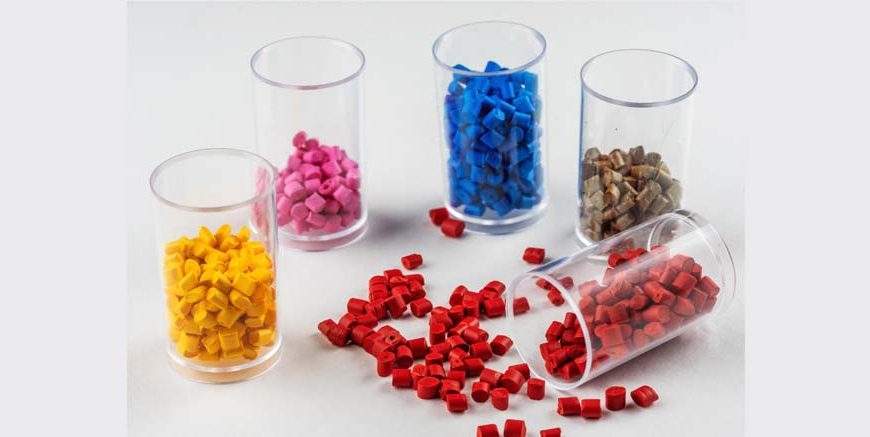
If we genuinely want to understand how this liquid holds heavy things together, we need to look incredibly closely at the polyvinyl acetate structure. Imagine a massive bucket filled with thousands of tiny, colourful plastic building blocks. In the strict world of chemistry, these single, individual blocks are called monomers. When clever scientists link thousands of these tiny blocks together in a massive, continuous long chain, it becomes a polymer.
The polyvinyl acetate structure is basically a giant, microscopic, tangled web of these long chains. When the white glue is wet inside its plastic bottle, these long chemical chains are floating happily and loosely in a pool of water. But, when you spread the glue onto a piece of dry paper, the water slowly evaporates into the air. As the water disappears, those long, invisible chains tangle up very tightly and lock together permanently. This creates a solid, strong, plastic-like grip that holds the separate pieces of paper perfectly in place.
Fascinating polyvinyl acetate properties
So, why do we constantly use this specific liquid instead of something else from the laboratory? It all comes down to its brilliant natural features. Here are the most important polyvinyl acetate properties that make it an absolute superstar in both giant industrial factories and small primary school classrooms:
- It dries completely clear: Even though it looks bright white and rather milky when you squeeze it out of the bottle, it turns entirely see-through as it sets. This means that if a child makes a messy mistake while crafting, the glue completely disappears, leaving the artwork looking neat and tidy.
- It is incredibly flexible: Once it fully dries, this adhesive does not turn rigid and brittle like fragile glass. It actively bends and moves. This flexibility is absolutely vital for things that need to fold or twist without snapping in half.
- It is non-toxic and safe: One of the absolute best polyvinyl acetate properties is that it does not give off any dangerous fumes, harsh chemicals, or bad smells. This makes it perfectly safe for young children to use indoors during a long winter afternoon.
- It loves porous materials: Porous is just a scientific word for things that have microscopic, invisible holes in them, acting like a dry sponge. This adhesive works beautifully on rough wood, thick cardboard, and soft fabric because it sinks deep into those tiny holes before locking tightly together.
Read More – How do you make science interesting for kids?
Everyday polyvinyl acetate uses
You might be quite surprised to learn that this substance is not just sitting in a school craft box. The massive range of polyvinyl acetate uses stretches right across various heavy industries, home DIY projects, and local trades. Here is a clear list showing exactly where we rely on this clever adhesive every single day:
- Woodworking and Carpentry: Professional carpenters use a thicker, stronger, yellow-tinted version of this exact glue to firmly join heavy pieces of raw timber together. It is used to build heavy dining tables, wooden chairs, and beautiful handmade toys.
- House Paints: When you decide to paint your bedroom walls a bright new colour, the liquid paint needs something to help it stick smoothly to the bare plaster. Manufacturers add this sticky substance into water-based emulsion paints so it dries quickly and grips the wall tightly without flaking off.
- Bookbinding: Pick up any heavy, thick reading book from your bedroom shelf. The hundreds of paper pages are held firmly to the cardboard spine using this exact flexible glue. Because it bends, it ensures the pages do not suddenly fall out when you open the heavy book wide to read it.
- Envelope Flaps: The shiny, slightly sweet-tasting strip you lick to seal a birthday card envelope is actually a specially modified, food-safe version of this very same adhesive!
- Making Slime: This is a massive favourite for kids! When you mix this standard white glue with a little bit of baking soda and contact lens solution, the chemical chains change their behaviour completely, transforming the runny glue into a thick, stretchy, bouncy ball of fun slime.
Read More – Fascinating Science Facts for Kids
Conclusion
Looking at a simple, everyday bottle of school glue completely changes when you finally understand the incredible science hiding away inside it. It is genuinely thought-provoking to realise that the exact same tangled chemical chains holding a child’s messy cardboard spaceship together are also keeping massive wooden furniture, heavy library books, and the paint on our walls from falling apart.
Science is not just about bubbling, dangerous potions in a highly secure laboratory; it is about finding clever, safe, and practical ways to connect our physical world together. Teaching children about the basic materials they use every single day helps them appreciate the hidden engineering in their own homes and classrooms. To discover more fascinating scientific facts and find creative ways to support your child’s brilliant early learning journey, explore the fantastic educational resources on the EuroKids Blog and secure their vibrant academic future today through EuroKids Preschool Admission.
FAQs
Can I use this glue to fix broken plastic toys or glass cups?
No, it does not work very well on incredibly smooth, shiny materials like solid plastic, glass, or metal. It desperately needs tiny holes in the material to sink into and grab onto, making it best suited for paper, raw wood, and cloth.
Is it safe if a child accidentally gets it all over their skin?
Yes, it is entirely safe and completely non-toxic. If it dries on their hands, they can simply peel it off like a fun second skin, or you can wash it away incredibly easily with just a bit of warm water and soap.
Why does the glue bottle need a very tight lid?
Because the glue physically hardens when the water inside it evaporates into the room’s air. Leaving the plastic lid off overnight will cause the entire bottle to dry up into a solid, rubbery lump that you cannot use again.