Try holding your breath while reading this very first sentence. It gets rather uncomfortable pretty quickly, doesn’t it? We spend our entire lives submerged at the bottom of a massive, invisible ocean of air, yet we barely notice it is there until we jump into a swimming pool or try to blow up a giant birthday balloon. This invisible gas is the absolute master key to life on Earth. But beyond just filling our lungs on a morning jog, what is oxygen used for? Let us completely strip away the complicated chemistry textbooks today and take a practical, everyday look at the brilliant, hidden jobs this gas performs right under our noses.
The Oxygen Definition
If a curious child corners you and asks for a proper oxygen definition, keep the explanation incredibly simple. It is a completely colourless, odourless, and tasteless gas that makes up roughly 21 percent of the Earth’s atmosphere.
If we want to get slightly more technical and look for the oxygen scientific name, chemists simply call it ‘O’ on the periodic table of elements. However, the actual stuff we breathe in the air is made of two atoms holding hands tightly, which is exactly why you will almost always see it written down as O2. It is highly reactive, meaning it absolutely loves to combine with other elements to create entirely new things.
The Core 5 uses of oxygen
To really understand how heavily we rely on this invisible substance, we can easily break down the top 5 uses of oxygen that happen naturally in our daily environment:
- Keeping Us Alive: This is obviously the big one. Every single living cell in the human body uses it to burn the food we eat and create physical, moving energy.
- Making Fire Possible: You physically cannot light a campfire, burn a candle, or start a petrol car engine without it. The gas reacts aggressively with fuel and heat to create flames.
- Building Water: Without this gas, there are no oceans, rivers, or rain puddles. Two parts of hydrogen lock perfectly together with one part of it to create liquid water (H2O).
- Decomposing Rubbish: The microscopic bacteria that break down dead autumn leaves in the garden heavily rely on it to survive and recycle those nutrients back into the soil.
- Plant Survival: While plants famously breathe in carbon dioxide to make their food, they also desperately need to take in this vital gas during the dark night to stay healthy and process their energy.
Pushing the Limits: two uses of oxygen
If we want to highlight exactly how versatile this gas really is, we only need to look at two uses of oxygen in completely opposite, extreme environments.
First, think about deep-sea divers. They strap heavy, highly pressurised tanks to their backs so they can safely explore dark, freezing shipwrecks miles beneath the crashing ocean waves. On the complete opposite end of the spectrum, astronauts use massive tanks of liquid O2 to literally blast heavy metal rockets straight through the Earth’s atmosphere and out into the empty vacuum of space. The rocket needs the liquid gas to burn its fuel because there is absolutely no air out in space! It is the ultimate human survival tool, whether you are sinking to the muddy ocean floor or flying directly to the moon.
Read More – Science Quiz Questions and Answers for Kids
Facts and 10 uses of oxygen
Kids absolutely love weird science facts. Here is a list of logical, practical facts that clearly highlight up to 10 uses of oxygen and its bizarre traits in the physical world:
- It cuts heavy metal: In heavy industrial factories, workers mix it with a gas called acetylene. This creates a blowtorch flame so unbelievably hot that it can slice straight through thick steel plates like warm butter.
- It purifies drinking water: Water treatment plants use a super-charged version of it (called ozone) to instantly kill nasty bacteria in our dirty water pipes, making the water completely safe to drink straight from the kitchen tap.
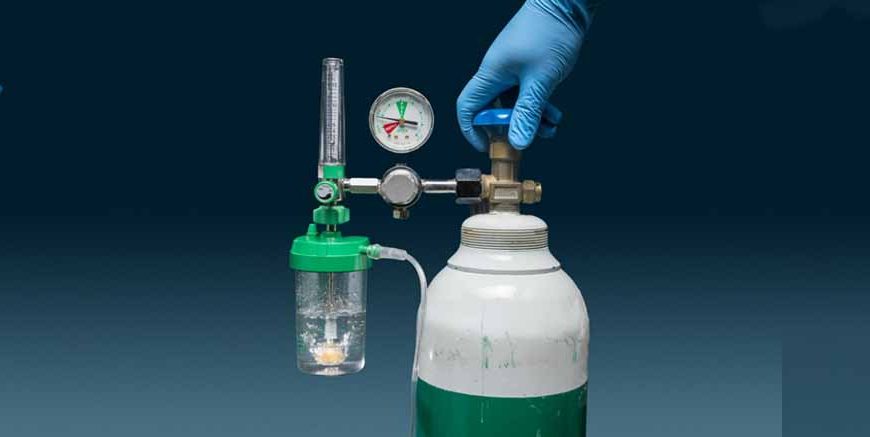
- It treats the sick: Hospitals use pure, medical-grade versions of it to treat patients struggling with severe chest infections, pumping it through clear plastic masks directly into their weak lungs.
- It powers submarines: Nuclear submarines can actually make their own breathable air while trapped underwater. They run an electric current through salty seawater, physically splitting the H2O apart to grab the invisible gas trapped inside.
- It creates plastics: Huge chemical manufacturing plants use it constantly to create the base chemicals needed to manufacture tough plastics and the anti-freeze used in our cars.
- It causes rust: The exact same gas that keeps us alive is completely destructive to metal. When it physically touches damp iron, a slow chemical reaction creates that flaky, orange rust you see on old bicycles left out in the garden.
- It cleans waste: Massive waste-water treatment facilities pump huge amounts of it into sewage tanks to keep the helpful, waste-eating bacteria alive and hungry.
- It melts iron ore: In massive foundries, workers blast pure O2 into giant blast furnaces to quickly turn raw, rocky iron ore into shiny, strong steel for building skyscrapers.
Read More – What is Respiration for Kids?
Active Biological Discovery
Understanding that a single, invisible gas can both heal a sick patient in a hospital bed and aggressively rust a metal bike in the rain completely changes how a child views chemistry. The Heureka curriculum thrives on this exact kind of active, logical discovery. Instead of just memorising textbook formulas, kids are encouraged to watch a sliced apple turn brown on the kitchen counter and figure out that the air in the room is physically reacting with the fruit. Connecting dry science facts to the living, breathing world turns an ordinary lesson into an interactive puzzle that they genuinely want to solve.
Conclusion
To wrap things up, this invisible, tasteless gas is the ultimate biological engine driving our entire planet. It burns our rubbish, slices our heavy steel, fuels our space rockets, and powers every single human heartbeat. It is genuinely thought-provoking to realise that we walk around every day completely ignoring the most powerful, reactive substance on Earth simply because we cannot see it. Are we taking the time to point out these brilliant, invisible mechanics to our children? Understanding the hidden physical forces that keep the world spinning builds a fiercely curious, confident mind. To uncover more fantastic ways to spark your child’s daily learning, take a look at the EuroKids Blog and set their exciting educational adventure in motion through EuroKids Preschool Admission today.
FAQs
Is the air we breathe entirely made of this gas?
No, it is actually mostly made of nitrogen! The vital gas we need to survive only makes up about 21 percent of the air swirling around us.
Can you breathe it in pure form?
Breathing 100 percent pure O2 for a very long time is actually highly toxic to humans and can severely damage the lungs. We need it to be perfectly mixed with other gases.
Where does it all come from?
The vast majority of the breathable air on Earth is actually produced by microscopic plants and algae floating in the ocean, not just the trees standing on land.