Jump up and down ten times as fast as you can. Stop right there. Now, put your hand flat right in the middle of your chest. You can probably feel your heart beating like a fast drum, but pay attention to what your mouth and nose are doing. You are gulping down huge amounts of invisible air. Your chest is rising and falling like a fast elevator. That heavy, panting breathing is the sound of your body’s most amazing air machines working in absolute overdrive to keep you moving.
So, what is lungs exactly? Let’s start with a simple, easy-to-understand lungs definition. They are two large, squishy, spongy organs sitting deep inside your chest that pull fresh air into your body and push stale air out. They act like a pair of continuous balloons that never stop inflating and deflating, even when you are fast asleep under your blankets. When you search for basic lungs information in English, you will quickly discover that the main organ of the human respiratory system is exactly this pair of pink, stretchy sponges.
Where Do They Hide?
How many lungs do we have, and where are they safely tucked away? We are born with exactly two. The location of lungs in human body is right inside your chest cavity. If you tap on your sides, you will feel the hard, bony cage of your ribs. Your ribs act like a heavy, protective knight’s helmet, keeping these soft, fragile sponges completely safe from bumps, tackles, and falls on the playground.
Read More – Body Organs for Kids
Parts of the Lungs
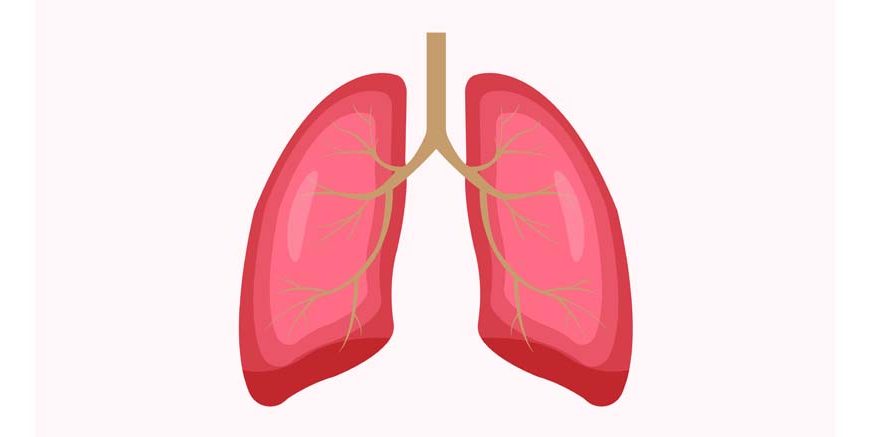
To understand how they work, we have to look closely at the specific parts of the lungs. Imagine a thick tree hanging completely upside down inside your chest. When you breathe in through your nose, the cool air travels down a thick, sturdy trunk called the windpipe (or the trachea).
This big trunk splits into two thick branches called bronchi, sending one branch into the left side and one into the right. Inside the pink sponge, these branches divide over and over into thousands of tiny, microscopic twigs. At the very end of every single twig sits a cluster of tiny, round balloons called alveoli. These millions of microscopic balloons are where the true magic of breathing happens.
Functions of Lungs
The working of lungs is basically an invisible, non-stop trade happening inside your chest. But these sponges cannot move all by themselves. They rely entirely on a strong, flat muscle sitting right underneath them called the diaphragm. When you breathe in, this muscle pulls down tight, creating a massive empty space in your chest that sucks air inside like a strong vacuum cleaner.
When those tiny alveoli balloons fill up with fresh air, they grab the good stuff—oxygen—and hand it straight over to your flowing blood. In exchange, the blood drops off the waste gas it doesn’t need anymore, called carbon dioxide. Your diaphragm relaxes, pushes up, and squeezes that waste gas completely out of your body when you exhale. That continuous, invisible trade is the primary lungs function in respiratory system.
Read More – Teaching Human Body Systems to Students
Why Do We Need Them?
If your science teacher asks you to write the function of lungs for a big homework assignment, you might wonder where to begin. Some folks ask, what are the 4 main functions of the lungs, while others look for the top five. Let’s break down the 5 functions of lungs to give you the most complete picture possible. Here is the function of lungs in points:
- Grabbing Fresh Oxygen: They pull fresh, life-saving oxygen directly from the air and send it rushing into your bloodstream.
- Removing Dirty Waste: They act as an efficient garbage disposal for carbon dioxide, breathing it out so the nasty gas doesn’t build up inside your body.
- Helping You Speak: When you force air out of these sponges, it rushes past your vibrating vocal cords, allowing you to talk, shout, laugh, and sing your favorite songs.
- Guarding Against Germs: They produce a sticky, wet mucus that acts exactly like flypaper, trapping dirt, dust, and invisible sick germs before they can infect your body.
- Powering Your Movement: While your brain makes the decisions, in a very real way, our lungs control all our physical activities. Without the massive rush of oxygen they provide, your muscles simply would not have the energy to run, jump, or even walk!
Secrets Inside Your Chest
Let’s share a quick note on lungs with some truly fun facts about the respiratory system to share with your friends. You might think your two sponges are identical twins, but they actually aren’t! Your left one is quite a bit smaller than your right one. Why? Because it has to politely make a little extra room on that side of your chest for your heart to fit perfectly. Also, because they are absolutely packed with millions of tiny air balloons, they are the only internal organs in the entire human body that can actually float on top of water!
Read More – Circulatory System Explained for Kids
Summary
Learning about lungs teaches us something incredible about how brilliantly we are built. They are quiet, tireless workers. From your very first cry as a tiny baby to a loud, screaming cheer at a soccer game, they never take a single vacation day. They connect us directly to the invisible world around us, proving that every single breath is a small, quiet miracle keeping us alive, moving, and healthy. Protect them by playing outside in the fresh air, exercising hard, and taking deep, calming breaths.
To read more fun, engaging, and educational articles, check out the EuroKids Blog, and visit our website for details on EuroKids Preschool Admission.
FAQs
What happens if I try to hold my breath forever?
You can’t! Your body will eventually force you to breathe. Carbon dioxide builds up quickly inside your blood, which sends an emergency panic signal directly to your brain, forcing you to open your mouth and take a massive gasp of air.
Can a person live normally with just one of them?
Yes! While having two is definitely best for running super fast and playing intense sports, a human being can survive and live a long, relatively normal life with just one healthy lung.
Why do we sometimes cough so loudly?
Coughing is your body’s natural, built-in alarm system. It is a sudden, explosive burst of air designed to forcefully blast annoying dust, tickly crumbs, or nasty germs out of your airways to keep your breathing tubes completely clear.