Have you ever watched a cat sleeping lazily in a sunbeam? Its chest rises and falls in a very slow, steady rhythm. Even though the cat is completely asleep and not running around, its body is working incredibly hard on the inside. Deep within every single part of that animal, a microscopic energy factory is running at full speed to keep its heart beating and its body warm. This unseen, silent process keeps every single living creature on Earth alive, from the biggest whale in the ocean to the tiniest green leaf in your garden. Let’s get into a complete introduction of respiration so we can uncover how living things turn their daily meals into power.
The Basics: Understanding the Meaning
When kids first start learning about how the human body works, the most common question they ask is, what is the meaning of respiration?
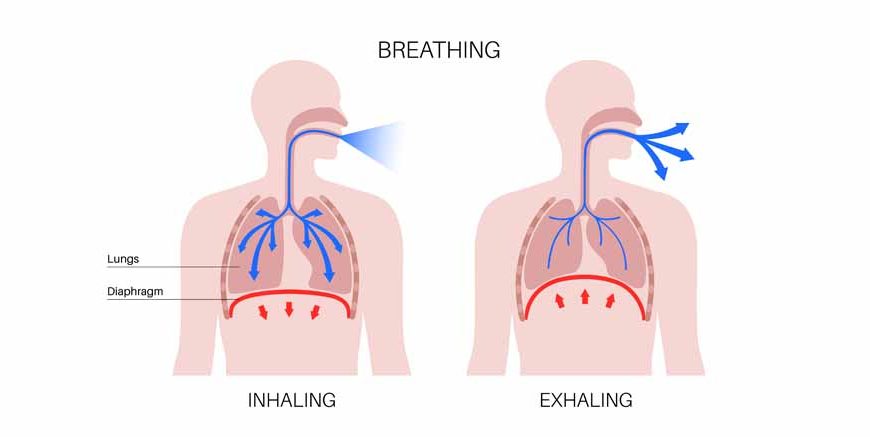
Most people immediately think about their lungs filling up with air. While getting fresh air is a hugely important part of the puzzle, it is not the whole picture. Breathing is simply the physical action of pulling air into your body and pushing it back out. But if you want to know exactly what is the definition of respiration, you have to look deeper than just your lungs.
To properly define the term respiration in a way that is easy to understand: it is the amazing process where a living body takes the food it eats and turns it into the usable energy it needs to survive. So, a very simple, everyday respiration definition would be “the process of unlocking energy from food.” Think of it like putting gasoline into a car. Pumping the gas into the tank is like breathing. But the engine actually burning that gas to make the car zoom down the highway? That burning process is the perfect way to understand this concept!
Read More – Teaching Human Body Systems to Students
The Microscopic World: Science and Biology
To really understand what is happening, we have to put on our science goggles and look at the body through a powerful microscope. Every living thing is made up of millions of tiny, invisible building blocks called cells.
The meaning of respiration in science is specifically focused on what happens inside those individual, microscopic cells. When you eat a healthy snack, like a crisp apple, your stomach breaks that food down into a simple sugar. At the exact same time, your lungs pull in oxygen from the air. Your blood acts like a fast delivery truck, carrying both the sugar and the oxygen directly to your cells.
When those two ingredients finally meet inside the cell, a tiny chemical explosion happens. The oxygen breaks the sugar apart, releasing a massive wave of energy! This specific, microscopic process is the exact respiration definition biology teachers want you to remember for your science tests. Without this chemical reaction, your body would have absolutely no energy to run across the playground, solve tricky math puzzles, or even heal a scraped knee.
Real-Life Examples and Usage
Sometimes the easiest way to grasp big scientific concepts is to see how they fit into our everyday language and world. If a friend asks you to explain respiration clearly, tell them to think about a crackling campfire. To make a fire burn bright and hot, you need two things: dry wood (which acts as the fuel) and fresh air (which provides the oxygen). If you trap a fire under a glass bowl, cutting off the air, the fire immediately chokes and dies out. Your body operates exactly the same way! The food you eat is dry wood, and the air you breathe is oxygen. Your cells act as millions of tiny, controlled campfires burning day and night to keep you warm and moving.
If you ever need to use the term respiration in a sentence for an English or Science homework assignment, you could write something like this: “Even during the freezing, dark winter, the mighty oak tree relies on respiration to use its stored food and stay alive.” Using it in a sentence like this shows that you completely understand how the process works in the wild!
Read More – Lungs Diagram Explained
Surprising Facts You Might Not Know
There is so much more fascinating information about respiration waiting to be discovered. Here is a fact that usually shocks kids: plants do it too!
We often learn that plants take in carbon dioxide and release fresh oxygen through a process called photosynthesis. But photosynthesis is just how a plant makes its food using the sun. Once the plant has made its food, it still has to digest it and use it. To actually grow new green leaves, bloom colorful flowers, and push its heavy roots deeper into the dirt, the plant must use the exact same energy-unlocking process that humans and animals do. Plants breathe, eat, and respire just like you do, only they do it entirely in silence.
Conclusion
When we pull back the curtain on our biology, we quickly realize that we are all just examples of walking, and talking chemistry labs. The simple act of taking a deep breath and eating a sandwich sets off millions of tiny, perfect reactions inside our bodies.
Because every single plant, animal, insect, and human uses this exact same chemical process to survive, we are all deeply connected to each other. The carbon dioxide waste gas that you breathe out right now is the exact ingredient the trees outside your window need to make their food. And the oxygen those trees release is the exact ingredient your cells need to burn your food. We are completely reliant on the natural world around us to keep our internal engines running. Every breath you take is a silent, beautiful trade with the forest. To read more fun and educational content, you can check out the EuroKids Blog, and visit our website for details on EuroKids Preschool Admission.
FAQs
Do humans stop respiring when they fall asleep?
Absolutely not! Your body still needs plenty of energy to keep your heart beating, digest your dinner, and repair your tired muscles while you sleep, so your cells are constantly working all night long.
What is the main difference between breathing and respiring?
Breathing is simply the physical action of moving air in and out of your lungs. Respiring is the invisible chemical reaction happening deep inside your cells to turn your food and oxygen into usable energy.
What happens if our cells do not get enough oxygen?
If you are running very fast and can’t breathe in enough oxygen, your cells will temporarily switch to a backup energy process. This backup process creates a waste product called lactic acid, which is exactly why your legs feel sore and cramped after a hard sprint!
Do fish respire underwater?
Yes, they do! Instead of using lungs to pull oxygen directly from the air, fish use their specialized gills to filter the tiny, invisible oxygen bubbles naturally trapped in the ocean or river water.