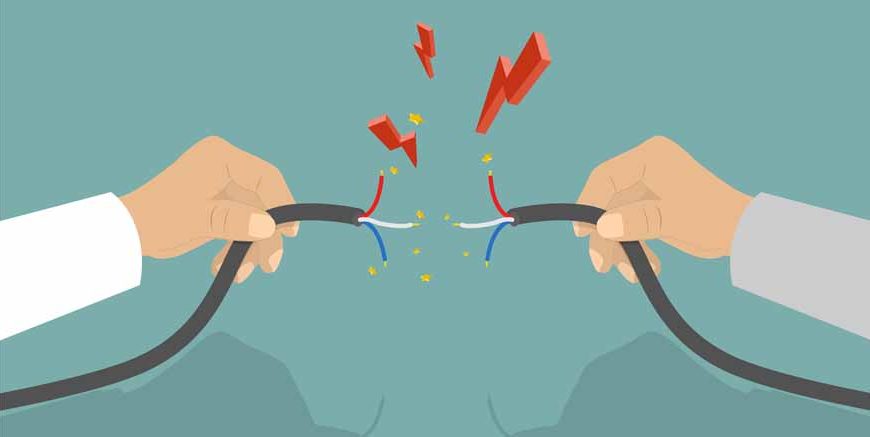
Flip a switch on your bedroom wall, and the overhead light instantly blazes to life. Push a button on your favorite gaming console, and the screen glows brightly. It feels a lot like magic, but it is actually a carefully planned journey. Electricity acts like an invisible, super-fast river of energy that travels from distant power plants right into the gadgets in your hands.
But this powerful river cannot just float through thin air. It needs a very specific path to travel on. Some materials roll out the red carpet and let this energy zoom right through without a second thought. Other materials build a giant, unbreakable brick wall to stop the river dead in its tracks. Today, we are going to explore what makes these materials so incredibly different, and why we actually need both of them to survive.
Definition of Good Conductor
Think of a massive, multi-lane highway with absolutely zero traffic. Cars can zoom down the road at top speed. A conductor operates on the exact same logic. The basic definition of good conductor is simply any material that allows electrical energy to pass through it smoothly and easily. They act as the fast-moving express lanes for electricity, ensuring the power gets exactly where it needs to go without losing its strength along the way.
Read More – What is Electric Current?
The Metal Magic
If you carefully slice open an old, broken television cord, you will immediately find shiny wire hiding inside. In science, metals are good conductor of electricity because of a tiny, brilliant secret hidden deep inside their structure.
So, exactly why are metals good conductor of electricity compared to other things? They have something that scientists call “free electrons.” Imagine a busy classroom where the students are allowed to jump up, run freely from desk to desk, and quickly pass notes to their friends. In a metal wire, those running students are the free electrons, and the notes they are passing along are the electrical charges! Because the electrons can move so easily, the power races down the wire in the blink of an eye.
Not every shiny material works the same way. There are a few different types of electrical conductors, and some are definitely better at their jobs than others.
If we sit down and write out the best conductor of electricity list, the number one spot actually belongs to silver! It offers the smoothest, fastest path for energy. But since silver is incredibly rare and very expensive to mine, we cannot use it to wire an entire house. Instead, builders heavily rely on copper, which takes the second-place trophy. Gold and aluminum are also brilliant at letting energy flow, which is why tiny flakes of gold are actually used inside the microchips of your parents’ smartphones.
Here is a slightly scary, but very important fact. Have you ever wondered why adults constantly yell at you to never touch a plugged-in toaster or an outlet with wet hands? It is because our body is a conductor of electricity!
Human beings are essentially walking water balloons. We are made up of mostly water and natural salts. This wet, salty combination makes our bodies an incredibly easy path for energy to travel through. If you touch a bare wire, the electricity will stop moving through the cord and decide to travel through your arm instead. You literally become a part of the circuit! This is why treating electrical outlets with massive respect is so important.
Opposite of Conductor
If certain things let power flow freely, there has to be an opposite of conductor to keep the universe balanced. We call these stubborn materials insulators.
A bad conductor of electricity is a material that firmly locks its electrons tight in place. Going back to our classroom example, an insulator is like a strict teacher super-gluing every single student to their chair. Nobody can run around, and no notes can be passed. The energy is completely blocked from moving forward.
Read More – What Is an Electric Circuit?
Everyday Examples
We absolutely need these blockers to stay safe in our homes. Common examples of bad conductor of electricity include glass, dry cotton, ceramic, and plastic.
Think about that television cord again. Yes, there is copper wire hiding in the center to carry the power. But the outside of the cord is wrapped in a thick, rubbery plastic. The metal carries the dangerous power, but the plastic wrapping stops the invisible river from jumping out and burning your fingers when you pick the cord up off the floor.
Wood and Rubber
Kids often hear strange rumors on the playground about how electricity works, so let’s clear up two massive myths right now.
Sometimes people ask, “Wait, wood is a good conductor of electricity, right?” The answer is a huge no! Dry wood from a lumber yard is actually a fantastic insulator. It completely blocks the flow of power. However, there is a dangerous catch. If a living tree gets struck by lightning during a heavy rainstorm, the wet sap and rainwater inside the tree can carry a huge shock. Water is the carrier, not the wood itself.
Another super common question is: is rubber a good conductor of electricity? Definitely not. Rubber is one of the toughest, strongest blockers on the entire planet. This is the exact reason why brave city electricians wear thick, heavy rubber gloves and thick rubber boots when they climb up tall wooden poles to fix broken neighborhood power lines. The rubber acts as a magical, invisible shield that keeps the electricity away from their skin.
Read More – Science Quiz Questions and Answers for Kids
Summary
The wild, buzzing world of electricity is ultimately a story about perfect teamwork. Without the shiny, metallic materials that eagerly carry power, we would all be sitting in the dark, unable to play video games or keep our food cold in the refrigerator. But without the stubborn, blocking materials that stop the power, turning on a simple reading lamp would be an incredibly dangerous, life-threatening chore. It takes both the good and the bad working perfectly together in harmony to power up our modern lives while keeping us totally safe.
To explore more fun educational concepts and discover engaging learning strategies, check out the EuroKids Blog and find out more about EuroKids Preschool Admission.
FAQs
What happens if a bad conductor gets completely soaking wet?
It changes the rules! Things like dry dirt or dry wood block electricity perfectly, but the minute they become soaked in water, the water itself can carry the electrical current right through them.
Why do birds safely sit on power lines without getting shocked?
Birds are safe because they are only touching one single wire at a time, meaning they do not complete an electrical circuit with the ground. The electricity prefers the easy path of the metal wire over the bird’s body!
Can extreme heat change how a conductor works?
Yes. When standard metals get incredibly hot, the atoms inside start bouncing around wildly, which actually makes it a little bit harder for the electricity to flow smoothly.
Are there any liquids that block electricity?
Surprisingly, yes! 100% pure, distilled water with absolutely no minerals or salts in it is actually a bad conductor. It is the hidden minerals inside everyday tap water that carry the dangerous electrical charge.