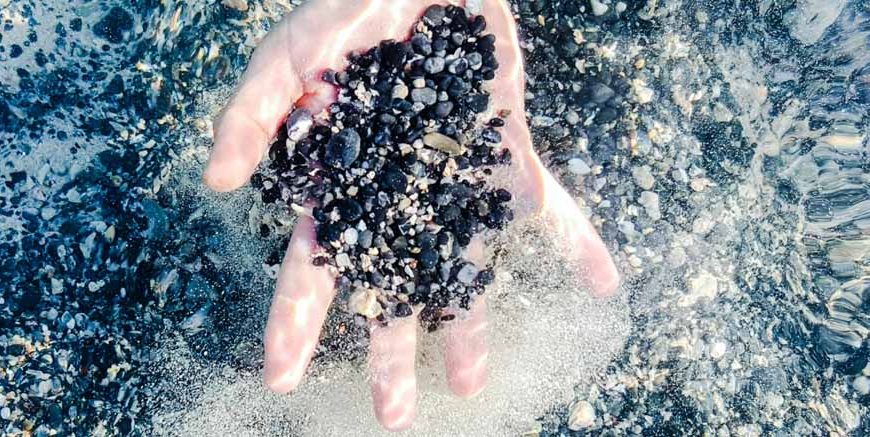
Imagine holding a heavy, shiny, silver-grey rock in the palm of your hand. To a young child, it might just look like an ordinary, smooth stone you would find while climbing a steep mountain path. You would probably never guess that this exact type of rock is currently helping to power the tablet sitting in your living room, the silent electric cars driving down the local motorway, and even the massive rockets blasting off into outer space. We are talking about the cobalt element.
It is a hard, highly magnetic metal pulled from deep underground mines. But exactly what is cobalt used for, and why are modern scientists and engineers so incredibly obsessed with digging it up? Instead of just staring at boring chemical charts on a classroom whiteboard, let us properly explore the hidden superpowers of this incredible metal and see exactly how it silently runs our fast-paced modern world.
The Heart of the Modern Battery
When we look at the most vital modern cobalt uses, we have to start right inside your own pockets. Every single time you plug in a smartphone, charge up a wireless video game controller, or watch a massive electric car glide silently down the street, you are relying entirely on this specific metal.
Inside all of these daily devices are rechargeable lithium-ion batteries. But there is a major physical problem with batteries: they can get dangerously hot when they store and release massive amounts of raw electricity. The primary function of cobalt inside these power cells is to act as a brilliant thermal stabiliser. It physically stops the battery from overheating, swelling up, or catching fire, while also helping it hold its electrical charge for much longer. It is essentially the ultimate biological safety guard, keeping all of that wild, bouncing electrical energy perfectly calm and strictly controlled so your phone does not randomly shut down halfway through the day.
Read More – What is Electric Circuit?
Building Indestructible Engines
If you ever look up and watch a massive commercial aeroplane soaring through the clouds, you are looking at another brilliant application of this heavy metal. Jet engines have to burn aviation fuel at unbelievably high temperatures to create enough thrust to lift hundreds of tonnes of metal into the air. These engines get so fiercely hot that normal, everyday metals would simply melt away like chocolate left out in the summer sun.
To solve this terrifying problem, engineers mix the cobalt element with other metals to create something completely new, called a ‘superalloy’. This superalloy is incredibly tough and absolutely refuses to melt, snap, or bend, even when it is blasted with extreme heat and crushing physical pressure. It is the invisible, indestructible shield that keeps aeroplane engines spinning safely and securely thousands of metres up in the freezing air.
A Hidden Vitamin Inside You
It sounds completely bizarre, but you actually have a tiny amount of this heavy metal floating around inside your own bloodstream right now! One highly surprising function of cobalt is its crucial role in keeping the human body healthy and active.
It is a core, foundational building block of Vitamin B12. Your body desperately needs this specific vitamin to manufacture healthy red blood cells and to keep your brain and complex nervous system running smoothly. You do not need to go outside and eat metal rocks to get it, of course; you naturally absorb this vital, microscopic nutrient simply by eating everyday foods like fresh fish, eggs, and dairy products.
Read More – How do you make science interesting for kids?
Brilliant Scientific Facts
Kids learn best when they hear something that breaks the normal, boring rules of physics they just learned. Here is a list of totally fascinating facts about this metal, explained with actual logic and science to share at the dinner table:
- The Goblin Metal: The actual name of the metal comes from the old German word ‘kobold’, which literally translates to ‘goblin’. Hundreds of years ago, superstitious miners believed that mischievous underground goblins had cursed the rock because it was incredibly difficult to mine and released toxic fumes when melted!
- The Ancient Blue Secret: Long before humans invented electricity or smartphones, ancient Egyptians discovered one of the earliest cobalt uses. When you heat this raw metal up and mix it with liquid glass, it turns a brilliant, blinding blue colour. They cleverly used it to paint massive pharaohs’ tombs and craft beautiful, expensive jewellery.
- It Is Highly Magnetic: Just like standard iron, this metal is naturally magnetic. However, its logical superpower is that it stubbornly stays magnetic even at incredibly high temperatures, whereas standard iron magnets completely lose their sticky pull when they get too hot.
- Space Rock Deliveries: You do not just find it buried deep in the Earth’s crust. Space scientists frequently find high amounts of it hiding inside heavy meteorites that have violently crashed down to Earth from outer space, proving that this element floats all throughout our vast solar system.
Conclusion
Exploring the hidden mechanics of a simple grey rock completely changes how a child views the outdoors. Suddenly, a smartphone isn’t just a magical plastic screen; it is a complex, physical puzzle made of magnetic metals and clever chemical reactions. This type of active, mechanical curiosity is exactly what the Heureka curriculum encourages, pushing children to properly investigate their physical environment rather than just accepting boring facts on a page.
It is genuinely thought-provoking to realise that a solid metal forged deep underground millions of years ago is simultaneously powering our digital gadgets, flying our aeroplanes, and keeping our blood healthy today. Nature truly provides the ultimate building blocks if we are just clever enough to figure out how to use them. To uncover more fantastic ways to fuel your child’s daily discoveries, read the latest articles on the EuroKids Blog and start their next great educational adventure through EuroKids Preschool Admission today.
FAQs
Is this metal dangerous to touch?
In its solid, everyday metallic form, it is completely safe to hold in your bare hands. However, breathing in the fine, powdery dust while mining or manufacturing it in a factory can be very harmful to the lungs.
Where is most of it found today?
While it is scattered all over the globe, over half of the entire world’s supply is currently mined deep underground in a single country: the Democratic Republic of the Congo in Africa.
Can we recycle it to save the planet?
Absolutely! Because it is so incredibly valuable and difficult to mine, scientists are constantly developing clever new ways to extract and recycle the metal from old, broken mobile phones and dead car batteries so we can use it all over again.