Watch a young child open a brand new packet of wax crayons at the study table. They will almost always pick the bright pinks, vibrant blues, and sunny yellows first to doodle across the page. Down at the very bottom of the box sits the dark, untouched black crayon, completely left behind. This happens in households everywhere because little children tend to link darker tones with gloomy nights, heavy storm clouds, or scary bedroom shadows.
When you show a young learner that deep shades actually anchor the natural world together, colour tracking turns into an exciting treasure hunt. Training your little one to spot dark textures in their immediate surroundings expands their basic vocabulary and sharpens their everyday observation skills. This guide shows you exactly how to introduce common dark items to your child through everyday household goods, fun wildlife facts, and simple sensory games.
Exploring Household Black Things
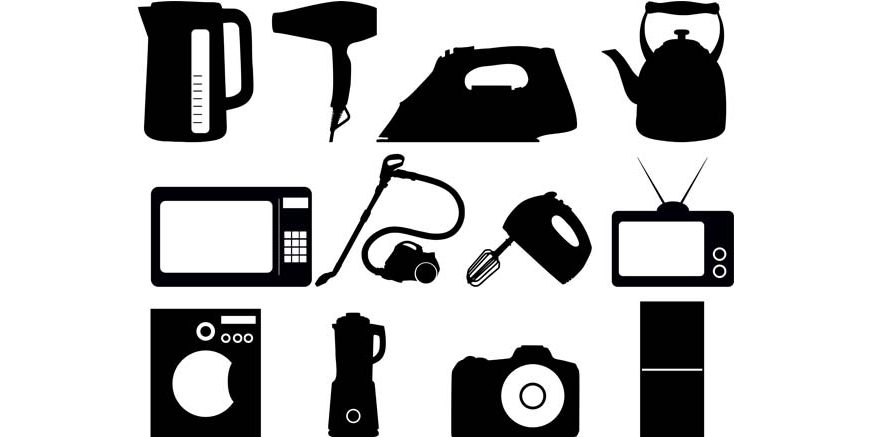
- Television Screens: Show your child the big TV screen when it stays switched off, explaining that the dark glass surface drinks up the room’s light until you press the power button.
- Family Umbrellas: Pull out the large umbrella stored near the front door for heavy monsoon downpours to show how a dark canopy blocks out the blistering heat of the sun perfectly.
- Kitchen Cookware: Point out the heavy iron tawa or non-stick kadhai while fixing dinner, explaining how dark metals handle extreme heat to flip crispy rotis.
- Computer Keyboards: Let your toddler tap the small square buttons on your laptop, pointing out how the dark background makes the white letters pop out sharply for your eyes.
Read More – Color Activities for Preschool that Engage Children’s Minds
Finding Natural Black Colour Things Outdoors
- Crow Feathers: Watch the local crows resting on the balcony railing, pointing out how their glossy dark feathers help them melt into deep tree shadows to stay safe from danger.
- Charcoal Chunks: Show your child a real piece of burnt wood or charcoal after a family barbecue, explaining that fire changes the wood’s inner structure into a rich dark block.
- The Night Sky: Look out of the bedroom window after dinner to observe the midnight sky, showing that the darkness allows the bright stars and silver moon to shine with real power.
- Black Pepper: Introduce this common spice during family dinner, letting your child smell a tiny dark peppercorn to learn that colours connect closely to unique tastes and strong aromas.
Spotting Black Colored Things in the Neighborhood
- Road Tar: Point to the fresh asphalt or tar poured across your local street, explaining that the dark road surface gives a tough, sturdy path for heavy school buses to roll on smoothly.
- Vehicle Tyres: Look at the thick rubber tyres on your family bicycle or car, explaining that the dark rubber contains special compounds to grip wet roads firmly without skidding.
- School Shoes: Help your child polish their uniform shoes before class, showing them how clean rubber soles protect their feet while they run across the playground grass.
- Ink Pens: Sketch a quick cartoon using a gel pen to demonstrate how dark ink creates sharp lines that remain perfectly readable for a very long time.
Read More – Teaching Primary Colours To Preschoolers
How EuroKids Strengthens Observational Skills
Before young students ever step into a primary school classroom to study science or advanced art, their basic sensory pathways are forming during the simple preschool years. EuroKids designs early learning spaces to encourage toddlers to move their bodies, touch real objects, and safely explore contrasting textures. Through guided games, high-contrast visual aids, and creative art sessions, the preschool format ensures that children master the full colour wheel naturally through active play. This early setup builds the raw confidence and sorting skills that help students later when they face complex academic subjects in higher classes.
Conclusion
Teaching your child to appreciate the dark tones in their daily environment is a vital step toward building a mature understanding of art, physical science, and visual contrast. From a simple household object like a switched-off television screen to the biological benefits of a panther’s dark coat, this colour value shows children that every shade plays a major role in the natural world. True learning clicks into place when you take these colour lessons off the worksheet page and weave them naturally into your casual afternoon table chats, neighbourhood walks, and living room games. The way you guide your child through these visual layers today determines how well they will observe, analyse, and map out their path in a complicated world tomorrow.
To pick up more everyday tips on childhood milestones and early growth, take a look through the EuroKids Blog, and discover how to start your child’s educational journey on the right path today with EuroKids Preschool Admission.
Frequently Asked Questions
1. Why do some young children feel uneasy around the colour black?
Little kids often link darkness with the simple inability to see, which can trigger a natural hesitation around hidden spaces or dark rooms. You can easily ease this worry by pointing out beautiful, positive dark objects in their daily life, like sweet grapes, cute pandas, or their own shiny hair.
2. How does tracking high-contrast colours support early reading skills?
High-contrast colours train the eyes to spot sharp boundaries between light and dark surfaces. This visual skill makes it much easier for a primary student to recognise individual letters of the alphabet and read text on a printed page without experiencing eye strain.
3. What are the best outdoor games to practice dark colour tracking?
Take a casual walk after a heavy rain shower to look for wet pebbles, spot dark ants marching along a garden brick wall, or trace the dark shadows cast by tall trees onto the green grass path.
4. Can a child’s clothing choices change how they feel the outdoor heat?
Yes, dark fabrics trap almost all visible light and turn it into thermal energy, making the wearer feel much warmer under direct sunlight. You should teach your child to wear light clothes on hot summer days and darker jackets during chilly winter mornings.