Sharing traditional animal fables transforms tricky behavioural lessons into a relaxed, engaging chat before bed. When you share a clever story with your young learner, you hand them a practical blueprint for handling real-world peer pressure. This guide breaks down a timeless classic that shows how quick thinking handles dangerous traps, alongside a parallel historical lesson to help your child build a highly critical and resilient mind.
The Complete Narrative of The Clever Rooster
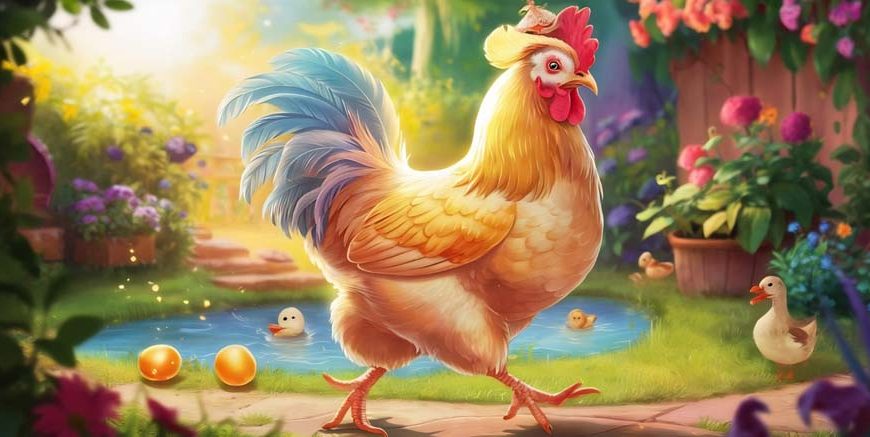
One hot afternoon, a sly, hungry fox crept out from the dense green bushes nearby, locking his eyes on the bird as a perfect midday snack. The fox knows he has no way to climb up that steep wooden fence, so he decides to use sweet, fake promises to trick his prey down to the grass. The fox softens his voice and calls out, claiming that a brand-new royal law has just passed across the animal kingdom. He tells the bird that all animals must now live as best friends and orders them never to hunt each other again. The fox then warmly invites the bird to hop down immediately so they can celebrate this wonderful new peace treaty with a big, friendly hug.
The bird instantly senses a trap, realising that the fox just wants him within reaching distance of his sharp teeth. Instead of panicking, crying out, or flying away in terror, the bird stays completely cool and uses the exact same trick to turn the tables. The clever rooster stretches his neck out, stares far down the dusty road, and tells the fox that a massive pack of fast hound dogs is running directly toward the farm gates. The bird cheerfully suggests that the fox stay right there so they can all celebrate the new friendship law together with the arriving hounds. The second the fox hears about the oncoming hunting dogs, his tail shakes with fear, and he bolts back into the deep woods as fast as his legs can carry him.
Read More – Short Moral Stories For Kids
The Practical Moral Lesson for Modern Children
The modern world contains subtle traps, such as tricky classmates who try to copy their homework or bullies who make unfair rules on the swings. Teach your youngster that when someone offers them an unusually sweet deal or makes a sudden demand, they must stop and look at the motive behind the words. Just as the bird questioned why a hungry fox suddenly wanted a peaceful hug, your child must learn to pause and say no firmly when a situation does not feel right. Understanding these personal boundaries helps keep children safe from harm and fosters greater self-reliance. It teaches them that keeping a cool head during a playground crisis is far more valuable than possessing giant muscles or a loud, angry voice.
How EuroKids Nurtures Critical Thinking
Long before young children step into a formal primary school classroom to write long-form literary essays or analyse historical morals, their basic critical-thinking pathways are formed during preschool. EuroKids shapes early childhood spaces to ensure that toddlers explore logical reasoning through sensory block building, interactive puppet theatre, and structured problem-solving games. By bringing rich storytelling sessions, cause-and-effect science puzzles, and cooperative group play into the daily preschool plan, the learning setup builds high cognitive confidence. This early mental training ensures that your child’s brain handles complex language rules, ethical choices, and social situations with absolute ease when they move into higher classes.
Read More – Best Bedtime Stories for Kids
Conclusion
The journey of the farmyard bird shows us that true strength does not rely on sharp claws or heavy physical frames; it rests entirely on your ability to remain calm, think clearly, and outmanoeuvre a tricky situation. From a simple rooster tricking a hungry fox to a court artist painting a clever royal portrait, these timeless narratives prove that sharp logic is the ultimate tool for human survival. Real cognitive development takes place when you take these story lessons off the printed page and use them to handle everyday park arguments or peer challenges with a quiet, confident mind. Keeping your thoughts organised under pressure ensures you grow into a highly capable problem solver.
To find more down-to-earth tips on childhood learning milestones and social-emotional growth, take a look through the EuroKids Blog, and discover how to start your child’s early educational path on a successful track today with EuroKids Preschool Admission.
Frequently Asked Questions
1. What is the most important moral lesson of the rooster and fox fable?
The primary moral lesson is that you must never trust the sweet words of a known enemy or an untrustworthy person who has a hidden motive. It also teaches you that quick, calm thinking can save your life when you face physical danger.
2. At what age should parents introduce complex moral stories to children?
You can start introducing simple cause-and-effect animal stories to children around age 3. By age five or six, your child can easily understand abstract human dilemmas, such as the choices made in historical court cases.
3. How do puppet shows help a child better understand literary themes?
Puppet shows turn abstract written words into real visual actions and emotional expressions that a young child can track effortlessly. Acting out a story helps children memorise the plot sequence and empathy points much faster than quiet reading.
4. Should I let my child change the ending of a traditional fable during playtime?
Yes, encouraging your child to invent alternative endings is a fantastic way to stretch their creative imagination and logical reasoning. It allows them to experiment with different behavioural choices and see how small adjustments change the final result