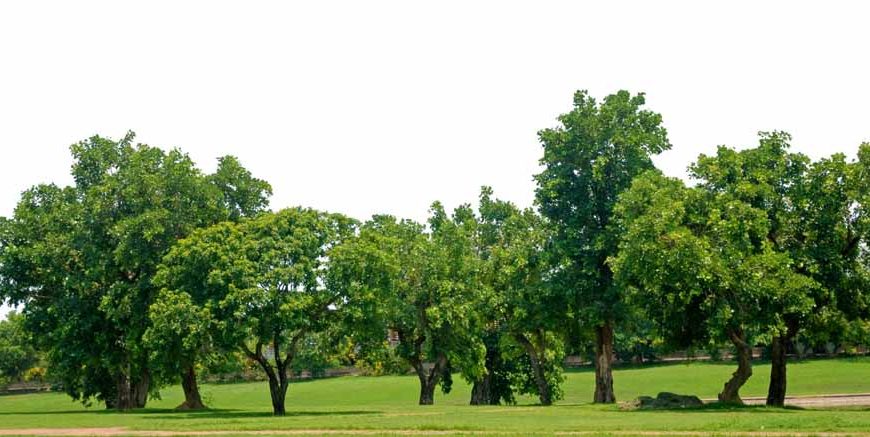
Remember the very first time you tried to climb up a massive oak in your local park? You probably ended up with scraped knees, a handful of sticky sap, and a massive, proud smile on your face. We walk past these wooden giants every single morning on the school run, mostly ignoring them. We just accept that they are there, quietly standing on the pavement. But a proper introduction of trees changes how a growing child looks at the world entirely. They aren’t just pretty background scenery for our busy lives. They are massive, living, breathing towers holding the whole environment together.
As we look ahead to 2026, getting students out of the classroom and into nature matters more than ever before. So, how do we explain these incredible plants to our children without making it sound like a boring, dusty science lecture? Let’s take a walk through the woods and break it down.
Answering the Big Question
Have you ever had a little one randomly point at a thick green bush and ask, “what is tree anyway?” It sounds like a rather silly question at first. But when you actually stop and try to explain it, you realise it’s not that simple. A rose bush has wood. A tomato plant is green. So what makes the big ones so different?
The true tree meaning really comes down to structure, strength, and time. They are perennials. That simply means they don’t just die off when the heavy winter frost hits the ground. They stick around. Some of them have been standing in the exact same spot in your neighbourhood for hundreds of years. They wear a thick, tough coat of bark to survive the freezing rain and the scorching summer heat.
Read More – What Are Coniferous Trees?
What the Dictionary Says
If you tell a child to look up the tree meaning in English in a heavy school dictionary, they will probably find a rather dry, boring sentence. It will say something about a tall plant with a wooden trunk and branches. While that is technically true, it completely misses the everyday magic of how they work.
The core difference between a tall shrub and a proper, towering giant is that single, thick, woody stem we call a trunk. That thick trunk acts exactly like a giant drinking straw, sucking up gallons of water from the deep, dark soil and pumping it all the way up to the very top leaves. It is basically a natural water pump running silently all day and night, defying gravity without making a single sound.
Spotting Them on Your Walk
When you are out for an evening walk, giving kids a clear trees definition and examples is the absolute best way to help them learn. You can tell them that a tree needs a single main stem and usually grows quite tall, reaching for the sunlight. Then, turn it into a fun spotting game. Ask them to point out different ones they see on the street. You will quickly notice that they come in all sorts of crazy shapes and sizes. Some drop a massive pile of crispy brown leaves on your lawn every autumn, while others stay stubbornly green even when it snows.
The Best Local Giants
If you want to get specific, here are some fantastic examples for trees you can spot or talk about with your children:
- The Mango Tree: The absolute undisputed king of Indian summers. It gives us deep, cool shade and the sweetest, messiest fruits imaginable. Sitting under one on a hot afternoon is pure bliss.
- The Banyan: This one looks like it belongs in a magical fantasy movie. It drops long roots straight down from its heavy branches, making a single plant look like an entire crowded forest.
- The Neem: You probably have soap or toothpaste at home made from this. It is basically a natural medicine cabinet with bitter leaves that keep biting bugs far, far away.
- The Pine: Instead of flat, wide leaves, this one has sharp, thin needles. And it stays bright, vibrant green even when the weather turns freezing cold in the mountains.
- The Peepal: Easily recognised by its beautiful heart-shaped leaves. When the wind blows, they rustle together and make a sound like rain falling.
Read More – Banyan Tree for Kids
The Hidden Underground Internet
Here is a fact that will completely blow a student’s mind: forests can actually talk to each other. Yes, really! Beneath the dirt, there is a massive, hidden network of fungi connecting all the roots together. Scientists jokingly call this the “Wood Wide Web”.
Through this incredible underground system, older, stronger plants can send water and sweet nutrients to younger, struggling saplings that are stuck growing in the dark shade. They can even send out chemical warning signals if hungry caterpillars are attacking their leaves, allowing their neighbours to quickly produce bitter-tasting chemicals to defend themselves. It is a brilliant, cooperative community hiding right beneath our feet.
Why We Actually Need Them
Now, why should young students actually care about any of this? Because these giant plants are working incredibly hard to keep us alive. They are essentially the green lungs of our planet. They breathe in all the nasty, dirty carbon dioxide that our cars and factories pump into the air, and they breathe out fresh, clean oxygen. Without them doing this heavy lifting, the air would be a toxic, unbreathable mess.
Also, they hold the ground together. When huge monsoon rains pour down, you might think the loose soil would just wash right away into the street drains. The only reason it doesn’t is because millions of underground roots are gripping the dirt like giant, stubborn fingers. Plus, think about the local wildlife! One old, hollow trunk can be a busy block of flats for hundreds of birds, squirrels, beetles, and fuzzy caterpillars.
Read More – Types of Plants for Kids
Conclusion
We spend so much time staring down at our glowing screens these days that we often completely forget to look up. The next time you are standing at the bus stop with your kids, just ask them to look at the branches moving in the wind. Getting them to understand how much these silent plants do for us creates a deep, lifelong respect for the fragile environment. It leaves you wondering: are we really doing enough to protect these hardworking friends who give us the very air we breathe? Raising children who genuinely care about nature starts with simple, everyday conversations just like this. For more honest parenting advice and creative ways to spark your child’s curiosity, you can always check out the EuroKids Blog, and find out more about our joyful learning programmes through EuroKids Preschool Admission.
FAQs
What makes a tree different from a bush?
A bush usually has many smaller, thinner woody stems coming straight out of the ground in a cluster, while a tree normally stands on one main, thick wooden trunk.
Why do some of them drop all their leaves?
In winter, there simply isn’t enough warm sunlight to make food. Dropping their leaves helps them save energy and survive the freezing weather until spring arrives again.
How can you tell exactly how old they are?
If a heavy trunk is chopped down, you can clearly see a pattern of rings inside the wood. Counting those dark and light rings tells you exactly how many years it lived.
Do they actually share food with each other?
Yes, they sort of do! They use a massive, complex underground network of mushrooms and fungi to share water and nutrients with younger, weaker plants growing nearby.