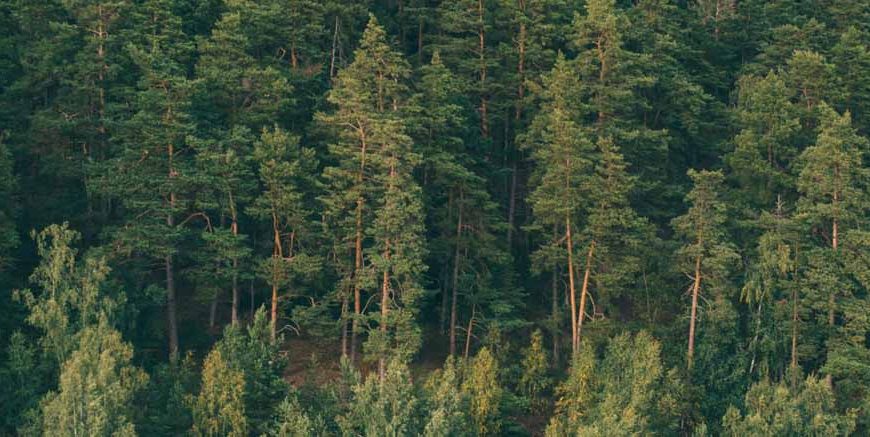
Have you ever drawn a picture of a snowy mountain scene? If you have, you probably drew tall, green trees shaped exactly like perfect triangles. You might not have known it at the time, but you were actually drawing coniferous trees. These towering green giants are some of the toughest, oldest, and most fascinating living things on our entire planet.
When we explore the natural world, understanding how different plants survive helps us appreciate the clever tricks of nature. Today, we are going to pack our imaginary winter coats and take a deep dive into the freezing, sweet-smelling world of these mountain forests. We will learn how they protect themselves from heavy snow, look at some famous examples, and find out where they grow in our own country.
The Secret in the Name: Coniferous Meaning
Let us start by cracking a big science word. If a curious student asks you for the exact coniferous meaning, you only need to look at the first four letters of the word: C-O-N-E.
The word simply means “cone-bearing.” Most of the plants we see every day, like mango trees or rose bushes, grow bright, soft flowers to create their seeds. Coniferous plants, however, do things completely differently. They do not grow flowers at all. Instead, they grow hard, woody, and scaly cones to safely hold their tiny seeds. When the seeds are fully ready to grow, the hard scales of the cone open up, and the wind simply blows the seeds away to plant new trees.
Read More – About Forests for Kids
Built for the Cold: Amazing Features
If you look closely at these trees, you will notice they do not look like the leafy oak or banyan trees you see in a warm city park. They have three very special superpowers that help them survive in freezing, harsh weather.
1. The Perfect Triangle Shape
Why do they look like giant green pyramids? It is a brilliant survival trick. In the high mountains, winter brings massive, heavy snowstorms. If a tree had wide, flat branches, the heavy snow would pile up and snap the branches right off. Because these trees are shaped like a slanted triangle, the heavy snow simply slides right off their sloping sides, keeping the tree completely safe.
2. Needles Instead of Leaves
Instead of wide, flat leaves, they have very thin, sharp leaves that look exactly like sewing needles. Wide leaves lose a lot of water to the wind and sun. These thin needles have a thick, waxy coating on the outside that traps the water inside, helping the tree survive when the ground is frozen solid and water is very hard to find.
3. Staying Green All Year
Most trees drop all their dry, brown leaves in the autumn and stand completely bare during the winter. But not these tough giants! They hold onto their green needles all year round. Because they are always green, we often call them “evergreens.”
Famous Faces: Conifer Trees Examples
You actually know many of these trees already, especially if you have ever seen a decorated Christmas tree! If you need to list a few famous conifer trees examples for a school project, here are the most popular ones:
- Pine Trees: These are incredibly common and have very long, sharp needles that grow in small bunches. They produce large, classic woody cones and have a wonderful, fresh scent.
- Fir Trees: These are the classic holiday trees. Their needles are much softer and flatter than pine needles. If you crush a fir needle between your fingers, it smells exactly like a cold winter morning.
- Spruce Trees: These look very similar to firs, but their needles are stiff and sharp, and they grow all the way around the branch like a fuzzy green bottle brush.
- Cedar Trees: These are huge, majestic examples of coniferous plants known for their incredibly strong and sweet-smelling wood, which people often use to build beautiful furniture.
Read More – Exploring the Diverse Types of Trees
Closer to Home: Coniferous Forest in India
You do not have to travel all the way to the freezing North Pole or the snowy forests of Canada to see these amazing plants. You can find them right here in our own country!
If you take a holiday up to the high, cold mountains of the Himalayas, you will walk right into a massive coniferous forest in india. States like Jammu and Kashmir, Himachal Pradesh, Uttarakhand, and Sikkim are covered in these towering green trees. The beautiful Deodar Cedar (which translates to “Wood of the Gods”) is a very famous native conifer that grows tall and proud across the Indian Himalayas, providing shelter for snow leopards, mountain goats, and hundreds of bird species.
Encouraging Little Explorers
At EuroKids, we love turning the natural world into a giant, interactive classroom. When young children touch the rough bark of a tree, smell the fresh scent of a crushed leaf, or examine the intricate geometric patterns on a fallen cone, they are doing real science. Encouraging kids to notice these different shapes and textures outside helps them build a deep, lifelong curiosity about how our beautiful planet actually works.
Conclusion
To wrap up our forest journey, coniferous trees are some of the most clever and resilient plants on Earth. They skip growing fragile flowers and use hard cones to protect their seeds. They use thin, waxy needles to save water, and they grow in a slanted triangle shape to dump heavy snow off their backs. Whether they are the tall pines in an Indian mountain valley or the small spruce decorated with lights in your living room, they are true survivors.
The next time you look at a picture of one of these evergreen giants, it leaves you with a deeply thought-provoking lesson from nature. While almost every other tree in the forest loses its leaves, gives up, and goes completely to sleep during the dark, freezing winter, the conifer refuses to change. It stands tall, keeps its bright green color, and boldly faces the coldest storms. It is a quiet, beautiful reminder to all of us that we, too, can stay strong, vibrant, and resilient, even in the hardest seasons of our lives.
To read more fun and educational articles, check out the EuroKids Blog, and visit our website for details on EuroKids Preschool Admission.
FAQs
Are all coniferous trees evergreen?
Almost all of them are evergreen, which means they stay green all year. However, there are one or two rare exceptions, like the Larch tree, which actually turns yellow and drops its needles every autumn!
Why do pine trees smell so incredibly good?
They produce a special, sticky sap called resin. This resin has a very strong, fresh smell that acts as a natural bug repellent to keep hungry insects from eating the tree’s bark.
Can humans eat pine cones?
We do not eat the hard woody cone itself, but many pine cones hide tiny, delicious seeds inside their scales called “pine nuts,” which people roast and eat in salads and pastas.
How long can these types of trees live?
They are incredible survivors. While a normal fruit tree might live for fifty years, some specific types of pine trees (like the Bristlecone Pine) can live for over 4,000 years, making them the oldest living things on Earth!