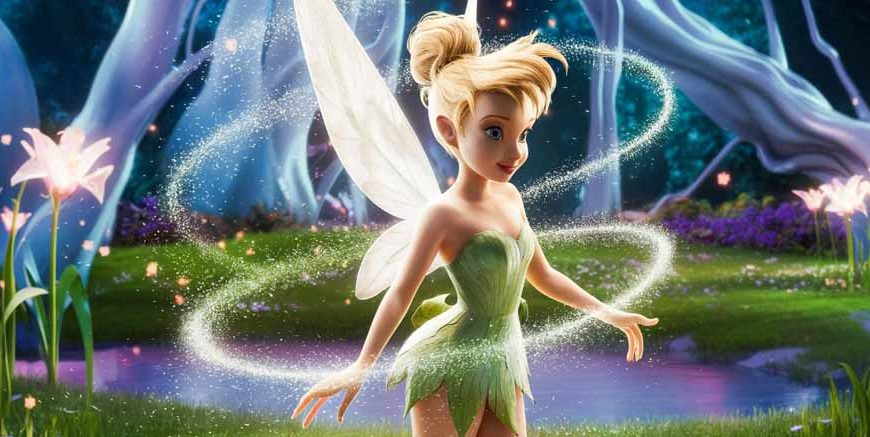
The tinkerbell story is not just about pixie dust and flying. It is a narrative about a builder, a fixer and a loyal friend who learns that her unique talent is exactly what the world needs. When you introduce your child to tinkerbell, you are doing more than sharing a fairy tale. You are introducing them to the concept of vocational pride. She is a “Tinker” fairy. Her job is to repair pots and pans and invent machines. This blog will guide you through the layers of her character, from her origins in the tinkerbell fairy tale story to the modern lessons on emotional intelligence and STEM skills. We will explore how her journey can help your child embrace their own unique talents, even if they are different from what everyone else expects.
From Sidekick to Icon: Who is Tinkerbell?
You probably know her as Peter Pan’s sidekick, but her history is far richer. In J.M. Barrie’s original play and novel, she was described in a fascinating way that offers a deep lesson in emotional regulation. Barrie wrote that fairies are so small that they only have room for one feeling at a time. This meant that when Tinkerbell was angry, she was wholly angry. When she was happy, she was pure joy.
This concept is incredibly validating for a young child. Children often feel emotions with an intensity that adults find baffling. They can switch from laughter to tears in seconds. By discussing the tinkerbell story with your child, you can explain that it is okay to feel big emotions. It does not make them “bad”. It just means they are full of feelings. Tinkerbell is not perfect. She gets jealous, she makes mistakes and she loses her temper. Yet, she is still a hero. This nuance teaches your child that they do not have to be perfect to be loved or to do good things. It allows for a conversation about how we handle those big feelings once we have felt them.
Read More – Little Mermaid Story for Kids
The Narrative: A Tale of Talent and Acceptance
The modern origin story of Tinkerbell is a beautiful parable about self-acceptance. When Tinkerbell is born, she is given a test to discover her talent. She is surrounded by symbols of different fairy jobs like water, light, animals and plants. She tries to avoid the hammer, which represents “tinkering,” because she wants to be a nature fairy like the others. She thinks tinkering is unimportant and unglamorous.
This struggle is something many children face. They want to fit in. They want to be good at what their friends are good at, whether it is football or dancing. However, Tinkerbell fails miserably when she tries to move water or paint flowers. She causes chaos because she is trying to be someone she is not. It is only when she picks up the hammer that she glows. She realises that her ability to build and fix machines is her true gift.
The moral here is profound. You can use this tinkerbell fairy tale story to teach your child that their unique strengths are valuable. Maybe they are not the fastest runner, but perhaps they are an incredible artist or a kind friend. Tinkerbell teaches us that we shine brightest when we embrace who we truly are rather than trying to mimic others.
The Value of Anger: Emotional Intelligence Lessons
Tinkerbell is famous for her hot temper. In many stories, female characters are expected to be passive, sweet and smiling. Tinkerbell breaks this mold completely. She gets frustrated when things do not work. She gets jealous when her friends pay attention to others. She stomps her foot and turns bright red.
You might wonder if this makes her a bad role model. On the contrary, it makes her a realistic one. She shows children that anger is a natural reaction to unfairness or frustration. The key lesson in the tinkerbell story is not that she gets angry, but what she does afterwards. She almost always realises her mistake and works hard to fix it. She apologises and takes action to repair the relationships she damaged.
This is a vital lesson in conflict resolution for your child. It teaches them that a mistake is not the end of the world. You can be angry, you can mess up, but you must also take responsibility. It moves the conversation from “don’t be angry” to “how do we fix this?”. This shift is essential for developing high emotional intelligence.
Innovation Over Magic: The STEM Connection
One of the most unique aspects of Tinkerbell is that she relies on physics as much as magic. While other fairies use magic to change the seasons, Tinkerbell builds machines. She designs complex contraptions using gears, levers and pulleys to help her friends deliver the seasons to the mainland. She is, at her core, an engineer.
This makes her a fantastic gateway into STEM (Science, Technology, Engineering and Maths) for young children. She solves problems by looking at the materials she has and imagining a new use for them. She sees a lost button and a twig and creates a wheel. She sees a leaf and creates a conveyor belt.
You can encourage this “tinker spirit” at home. Give your child a box of “loose parts” like cardboard tubes, tape and string. Ask them to build something that solves a problem. Maybe they need a trap for a monster or a bridge for their toy cars. When they get stuck, remind them of how Tinkerbell iterates. She tries one way, it fails, and she tweaks the design. This builds resilience and critical thinking skills that are far more valuable than simply getting the answer right the first time.
Read More – Magic Pot Story For Kids
Loyalty and the Power of Belief
There is a famous moment in the Peter Pan narrative where Tinkerbell drinks poison to save Peter. She risks everything for her friend. Later, when her light is fading, Peter calls out to the children of the world to clap if they believe in fairies. The collective belief of others revives her.
This scene in the tinkerbell fairy tale story is a powerful metaphor for support systems. It teaches your child that we all need help sometimes. Even the strongest and most independent person (or fairy) needs their friends to believe in them. It encourages your child to be that support for others. When their friend is sad or struggling, their “belief” or encouragement can make a real difference.
It also touches on the concept of loyalty. Tinkerbell is fiercely loyal. She defends those she loves. You can use this to discuss what it means to be a good friend. It is not just about playing together; it is about standing up for each other and being there when things get tough.
The EuroKids Approach to Learning
At EuroKids, we celebrate the unique spark in every child. We understand that some children are builders, some are dreamers and some are storytellers. We follow the Heureka curriculum which emphasises “Mindful Learning,” ensuring that we nurture these individual talents rather than forcing every child into the same mold.
We provide an environment where it is safe to try, fail and try again, just like a true tinker. Our educators are trained to spot the specific interests of your child and provide the resources they need to explore them deeply. We believe that by validating their natural curiosity, we are helping them build the confidence they need to succeed in the future.
Conclusion
The tinkerbell story offers far more than just entertainment. It is a roadmap for raising a resilient, creative and emotionally intelligent child. By exploring her journey from self-doubt to self-acceptance, you are giving your child the tools to navigate their own identity. You are teaching them that it is okay to be different, it is okay to be angry and it is wonderful to be a maker of things.
As you guide your little engineer or artist through their early years, remember that you have support. EuroKids is dedicated to partnering with parents to create a holistic learning experience. We invite you to visit our website to learn more about EuroKids Preschool Admission and find a centre near you. For more expert advice on child development and parenting, please explore the EuroKids Blog section.
Frequently Asked Questions (FAQs)
1. What is the main moral of the tinkerbell story?
The primary moral is that you should embrace your own unique talents rather than trying to be someone else. Tinkerbell learns that her ability to fix and build things is just as valuable as the talents of the nature fairies. It is a story about self-acceptance and finding your purpose.
2. Why does Tinkerbell get so angry in the stories?
Tinkerbell was originally written as being so small that she could only hold one emotion at a time. This means when she is angry, she is entirely consumed by it. This trait helps children understand that big emotions are natural, but they must also learn to manage them and make amends.
3. Is the tinkerbell fairy tale story suitable for toddlers?
Yes, the stories are very suitable for toddlers. The visual elements of the movies and the simple themes of friendship and problem-solving resonate well with younger children. The modern animated versions are specifically designed to be gentle and educational.
4. What talent does tinkerbell have?
Tinkerbell is a “Tinker” fairy. Her talent is tinkering, which means she can repair broken items and invent new machines using lost things she finds. She is an inventor and an engineer who uses physics and mechanics to solve problems.
5. How can I use this story to teach my child about emotions?
You can use Tinkerbell’s colour changes (she often turns red when angry) to talk about how emotions feel in the body. Ask your child “What makes you feel red like Tinkerbell?” or “What helps you cool down?”. Discuss how Tinkerbell apologises after she loses her temper to teach the importance of repair in relationships.