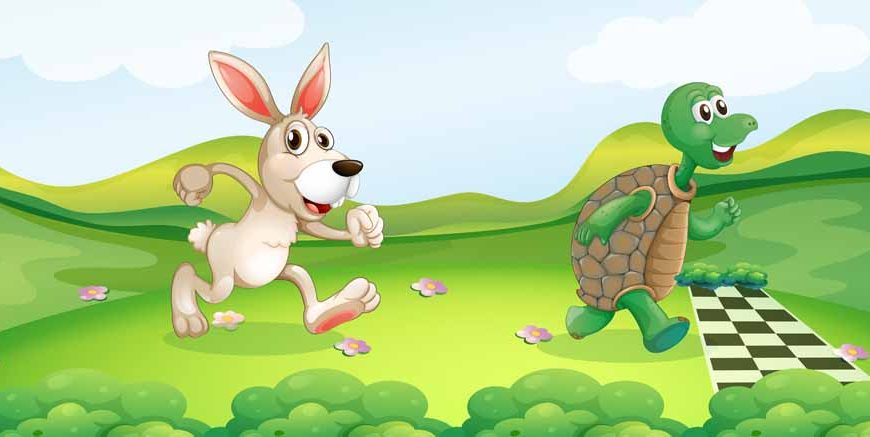
You often feel the pressure to keep up in a world that moves at breakneck speed. It is a sentiment that every modern parent understands intimately. You watch your child navigate a landscape filled with competitive exams, extracurricular demands and the constant digital rush. There is a lingering fear that if they are not the fastest or the first, they are somehow falling behind. We live in a culture that glorifies speed and instant results. However, deep down you know that life is rarely a sprint. It is a marathon that requires patience, resilience and a steady heart. This is why the classic tortoise and the hare fable remains one of the most vital stories you can share with your child today.
It is more than just a bedtime story about animals. It is a profound psychological lesson on the value of persistence over arrogance. When you read the hare and tortoise story to your little one, you are giving them a toolkit for success that has nothing to do with raw talent and everything to do with character. This blog will guide you through the narrative, the hidden lessons on mindset and how you can apply the timeless moral that slow and steady wins the race to your child’s educational journey. We will explore why consistency often beats intensity and how you can foster a “tortoise mindset” in a “hare” world.
The Classic Tale: A Retelling for the Modern Child
The story begins in a forest that is buzzing with energy. The Hare was naturally gifted with speed and he made sure everyone knew it. He would zoom past the other animals, kicking up dust and laughing at their slower pace. He was not just fast; he was boastful. He would often tease the Tortoise for his heavy shell and his plodding walk. “Do you ever get anywhere?” the Hare would ask with a sneer.
One day, the Tortoise, tired of the arrogance, challenged the Hare to a race. The Hare laughed so hard he nearly fell over. To him, the idea was absurd. A race between a lightning-fast runner and a creature who took minutes to cross a few feet seemed like a guaranteed win. The entire forest gathered to watch this spectacle. The Fox marked the course and started the race.
True to his nature, the Hare sprinted off immediately. He was out of sight in seconds, leaving the Tortoise far behind in a cloud of dust. The Hare looked back and saw nothing but an empty road. Confident in his massive lead, he decided to take a nap under a shady tree. “I have plenty of time,” he thought. “I can rest and still finish long before that slowpoke gets here.”
Meanwhile, the Tortoise kept walking. He did not run. He did not stop. He simply placed one foot in front of the other. He ignored the heat and the distance. While the Hare slept deeply, dreaming of his victory, the Tortoise plodded past him. Slowly but surely, he approached the finish line. The animals began to cheer, and the sound woke the Hare. He jumped up and saw the Tortoise just inches from the end. The Hare sprinted with all his might, but it was too late. The Tortoise crossed the line and won. This hare and tortoise story in English perfectly illustrates that natural ability is nothing without focus.
Read More – Story of Hare and Tortoise
Decoding the Hare: The Trap of Overconfidence
The Hare represents a very specific type of pitfall that you might recognise in talented individuals. He is the embodiment of “fixed mindset” traits. He believes his ability (speed) is enough to guarantee success, so he neglects the effort required to actually achieve it. When you discuss the tortoise and the hare with your child, it is crucial to highlight that the Hare did not lose because he was slow. He lost because he was arrogant.
He underestimated the task and overestimated himself. This is a common struggle for bright children who find early school years easy. They might coast through without studying because they rely on their natural smarts. However, like the Hare, they eventually hit a wall, or a nap, where their lack of discipline catches up with them. The Hare teaches us that talent is just a starting point. Without the discipline to keep moving, even the greatest gifts can be wasted. You can use the Hare as a gentle warning to your child. It shows them that being “smart” or “fast” is wonderful, but it is not a substitute for doing the work.
The Power of Consistency: Why Slow and Steady Wins the Race
The hero of our story is not the one with the flashy skills but the one with the unbreakable spirit. The Tortoise demonstrates the power of the “growth mindset.” He knew he was slower, but he also knew that forward motion is the only metric that matters. The moral that slow and steady wins the race is often improved by understanding that “slow” does not mean lazy. It means deliberate.
The Tortoise won because he was consistent. He did not stop to play, he did not stop to sleep and he did not stop to worry about how far ahead the Hare was. He focused entirely on his own race. This is a powerful lesson for your child in an age of constant comparison. Social media and school rankings often make children feel like they are competing with everyone else. The Tortoise teaches them that the only person they need to beat is their former self.
You can explain to your child that “steady” means showing up every day. It is about doing a little bit of homework, practising the piano for ten minutes or reading one chapter a night. These small, consistent actions compound over time to create massive results. The Tortoise proves that resilience, the ability to keep going when things are hard or boring, is the ultimate superpower.
Read More – Bedtime Stories for Kids
Applying the Moral to Modern Parenting
You can use the hare and tortoise story to navigate real-world challenges with your child. For instance, when they are struggling with a difficult subject like maths, remind them of the Tortoise. It might take them longer to understand the concept than their classmates, and that is perfectly fine. The goal is to understand it eventually, not instantly.
This story also helps in managing failure. The Hare’s failure was due to a lack of effort, while the Tortoise’s success was due to maximum effort. If your child fails a test or loses a game, ask them which character they acted like. Did they prepare? Did they keep trying? Reframing failure as a lack of consistency rather than a lack of talent empowers them to try again. It shifts the focus from “I am not good at this” to “I need to keep walking.”
The EuroKids Approach to Learning
At EuroKids, we understand that every child has their own unique pace. We do not believe in rushing childhood or forcing children into a “one size fits all” race. We follow the Heureka curriculum which emphasises “Mindful Learning.” This approach ensures that children absorb concepts deeply and thoroughly rather than just memorising them for speed.
We value the “steady” progress that leads to long-term retention and genuine understanding. Our educators are trained to recognise the individual strengths of each child, encouraging them to keep moving forward with confidence. We create an environment where the journey of learning is just as important as the destination, ensuring your child builds the resilience they need for the future.
Conclusion
The hare and tortoise story in english is a narrative gift that keeps on giving. It provides a simple yet profound framework for understanding success. By sharing this story, you are teaching your child that they do not have to be the fastest to be a winner. They just have to be the one who refuses to give up.
In a world that shouts “faster,” you can be the voice that whispers “steady.” You are raising a child who understands the value of persistence, hard work and humility. These are the traits that will carry them across the finish lines of life, long after the sprinters have tired out.
Your role in guiding your child’s development is the most important job you will ever have, but you do not have to do it alone. EuroKids is your partner in building a strong foundation for your child. We invite you to visit our website to learn more about EuroKids Preschool Admission and find a centre near you. For more insights on parenting and child development, explore the EuroKids Blog section where we share expert advice regularly.
Frequently Asked Questions (FAQs)
1. What is the main moral of the tortoise and the hare?
The primary moral is that consistency and determination often lead to success better than speed or talent alone. It teaches that slow and steady wins the race because giving up or becoming complacent causes failure, regardless of how gifted someone is.
2. How does the hare and tortoise story teach resilience?
The story teaches resilience through the character of the Tortoise. Despite the odds being stacked against him and the mockery he faced, he continued to move forward. He did not let external negativity or his own limitations stop him from completing the task.
3. Is the slow and steady wins the race moral relevant for school exams?
Absolutely. It teaches students that cramming at the last minute (like the Hare’s sprint) is less effective than consistent daily study (the Tortoise’s walk). Regular revision builds a deeper understanding and reduces exam stress, leading to better long-term results.
4. How can I tell the hare and tortoise story in english to a toddler?
Keep it simple and use actions. You can run fast with your fingers for the Hare and walk slowly for the Tortoise. Emphasise the “sleeping” part and the “cheering” at the end. Focus on the joy of finishing the race rather than just the competition.
5. What character traits does the Tortoise represent?
The Tortoise represents patience, perseverance, humility and focus. He symbolises the “growth mindset,” showing that effort and attitude are the key components of achievement.