Have you ever spent an entire hour setting up a beautiful craft for your toddler, only to watch them completely ignore your careful instructions? You give them red, yellow, and blue paint. You ask them to paint a bright, happy rainbow. Instead, they mix every single pot together until they create a giant, muddy brown puddle. You probably feel a little frustrated. You wanted a nice picture to hang on the fridge. Your child, however, just wanted to see what happens when wet colours collide.
Here is a secret that will save your sanity: that muddy brown puddle is actually a cognitive masterpiece.
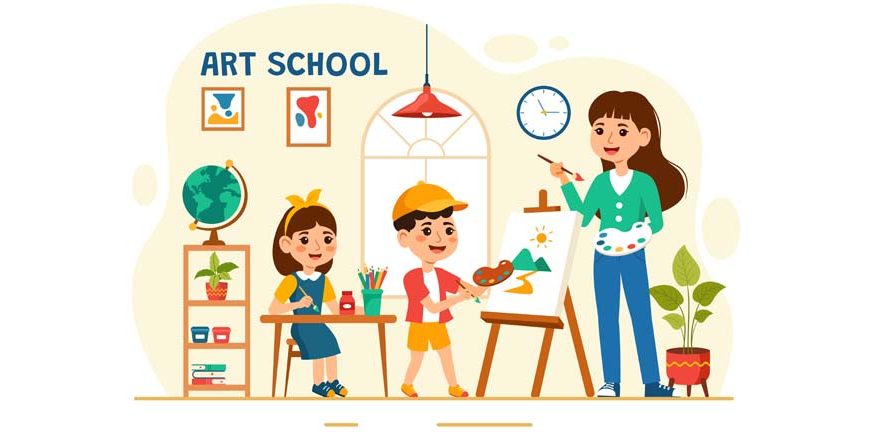
This is the entire philosophy behind process art. In traditional crafts, the adult decides what the final product will look like. You give instructions, and the child copies them. In process art, the child takes total control. There is absolutely no right or wrong outcome. The focus is entirely on the exploration of materials. When you stop worrying about the final picture, you give your child the freedom to ask questions, test boundaries, and understand how the physical world works. Today, we are going to explore exactly why you need to let go of perfection. We will also look at how to set up brilliant, open ended activities right at your kitchen table.
Why the Journey Matters More Than the Destination
Before we get our hands dirty, you need to understand the science of unstructured creativity. When you observe children painting without strict rules, you are watching deep neural connections form in real time.
First, this approach builds immense confidence. If a child tries to draw a perfect dog and fails, they feel defeated. They might even say they are bad at art. If their only goal is to see what happens when a wet brush hits dry paper, they succeed every single time.
Second, it develops critical thinking. Instead of a rigid art drawing lesson where they just trace your lines, they have to solve problems. They start asking themselves questions. How do I make this paint drip faster? What happens if I press really hard with this crayon? These are scientific questions disguised as an art project. They are learning cause and effect through physical movement.
Read More – Creative Activities for Preschoolers
Blending Creativity with Early Literacy
You can easily combine the messy fun of process art with foundational reading skills. Children learn best when their hands are busy and they are highly engaged. If you are trying to teach basic vocabulary or sight words, you do not need to rely on boring flashcards.
Take a white wax crayon and write simple words on a piece of heavy white paper. Because the crayon is white, the words will be completely invisible. Tell your child you are playing a secret colour reading game today. Give them some watery paints and a big sponge. When they wash the wet paint over the paper, the wax resists the water, magically revealing the hidden words.
This specific color word game is a fantastic way to practice phonics without making it feel like a stressful school lesson. When they discover a new word appearing through the paint, they get a rush of excitement. Playing a highly visual colour word game like this links vocabulary acquisition directly to a tactile reward. They remember the words much faster because they associate them with the joy of discovery.
Setting Up the Perfect Environment for Exploration
Parents often avoid process art because they fear the mess. The thought of cleaning paint out of the carpet is enough to make anyone stick to dry crayons. However, preparation is your best tool.
Buy a cheap plastic shower curtain and place it under your kitchen table. This catches any spills immediately. Dress your child in an old oversized t-shirt. Keep a damp towel within arm’s reach before you even open the paint pots. If you accept that a mess is going to happen and prepare for it, you will feel much more relaxed. When you are relaxed, your child feels safe to experiment.
Read More – Collaborative Art Projects for Kids
Three Brilliant Process Art Activities to Try at Home
You do not need expensive supplies to encourage this type of learning. You just need to look at everyday objects differently.
The Gravity Drip Experiment
Tape a large piece of paper to a wall outside or to an easel. Water down some washable paints in small cups. Give your child a thick brush and tell them to load it up with paint and press it at the very top of the paper. Watch gravity do all the heavy lifting. They will quickly learn that adding more water to the cup makes the drips run much faster down the page. This is a brilliant, hands on lesson in basic physics.
Texture Stamping with Nature
Ditch the standard plastic paintbrushes. Go for a walk in your local park or garden and collect pinecones, thick leaves, dry twigs, and long grass. Bring these items inside and use them to stamp and sweep paint across a long sheet of butcher paper. This activity encourages children to observe the different textures found in nature. They get to see firsthand how different natural materials absorb or repel thick liquids.
The Rolling Marble Trajectories
Take a shallow cardboard box and place a piece of plain paper flat at the bottom. Squirt a few small drops of paint in the corners of the box. Drop three or four glass marbles into the container. Have your child hold the edges of the cardboard box and tilt it back and forth. The marbles will roll through the wet paint and track colourful lines across the paper. They must use their hand eye coordination to control the speed and the direction of the rolling spheres.
Why Perfect Crafts Hold Children Back
When you buy a craft kit from a store, it usually comes with a picture of the finished product on the box. It tells the child exactly where to glue the eyes and what colour to paint the roof. While this teaches a child how to follow instructions, it completely shuts down their imagination.
In the real world, adults are rarely given a step by step manual for solving complex problems. We have to look at the materials available to us and invent a solution. Process art trains the brain for this exact reality. A child who is allowed to mix, smear, and build without boundaries grows up to be an adult who is not afraid to test new ideas in the workplace.
Read More – Fun Learning with Science Kits for Kids
The EuroKids Approach to Independent Thinking
Providing your child with the right environment to test their ideas is the greatest gift you can offer. We know that raising a creative, confident child is your top priority. At EuroKids, we completely share this vision. We do not force our classrooms to produce identical, cookie cutter artwork. We celebrate the unique, messy, and brilliant ideas of every single child.
We proudly implement the HEUREKA curriculum, which is deeply inspired by Harvard University’s Project Zero, to make a child’s thinking visible through process driven exploration rather than just focusing on a final product. Our educators act as guides, asking open ended questions to stretch your child’s imagination.
If you are looking for an educational partner who values deep comprehension and joyful discovery, the EuroKids Preschool Admission process is your immediate next step. We invite you to visit a centre near your home to watch our educators turn simple play into profound cognitive development. We also highly recommend exploring the EuroKids Blog for more expert parenting strategies, creative home activities, and detailed developmental guides. Give your child the freedom to explore, and watch them build a beautiful mind.
Understanding the Difference
|
Feature |
Process Art |
Product Art |
|
Primary Goal |
Exploring materials and techniques. |
Creating a specific, pre planned craft. |
|
Instructions |
Open ended and entirely child led. |
Step by step adult instructions. |
|
Final Outcome |
Every single piece looks entirely different. |
Every piece looks exactly the same. |
|
Core Benefit |
Builds problem solving and creative confidence. |
Practices following strict directions. |
|
Atmosphere |
Messy, highly experimental, and relaxed. |
Tidy, structured, and goal oriented. |
Frequently Asked Questions (FAQs)
How do I stop myself from correcting my child’s artwork?
It is a very hard habit to break for most parents. Try to sit on your hands and bite your tongue. Instead of saying that the sky should be blue, try making a neutral observation like noticing they are using a lot of green today. Let them explain their colour choices to you without any judgment.
Is process art safe for a toddler who puts things in their mouth?
Yes, but you must modify the materials slightly. Swap standard poster paints for edible alternatives like thick yogurt mixed with a few drops of food colouring. Always supervise activities involving small items like marbles to prevent any choking hazards.
Does this type of art help with handwriting later on?
Absolutely. Squeezing droppers, holding heavy twigs, and swirling thick paint all develop fine motor skills and grip strength. These are the exact muscle groups your child will rely on when they start holding a pencil in primary school.
How long should an art session last at home?
Let your child dictate the timeline. A toddler might be deeply engaged for twenty minutes, or they might be completely finished in five minutes. Do not force them to stay at the table if they lose interest. The goal is joyful exploration, not endurance.
How does EuroKids manage the mess of process art in the classroom?
We view the mess as evidence of active learning. Our classrooms are designed with designated “wet zones” and easy to clean surfaces. Our educators teach the children how to take responsibility by involving them in the cleanup process, which builds their independence and respect for their learning environment.