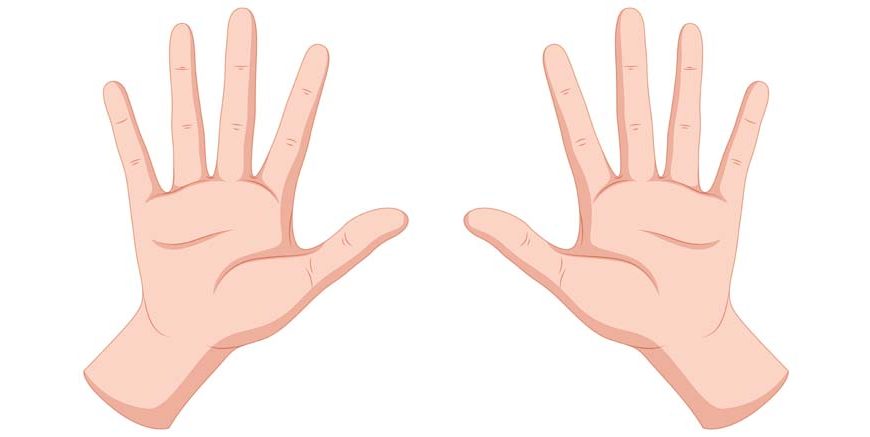
Our hands are one of the most useful parts of our bodies. We use them every day to write, eat, play, draw, and hold things. Without hands, many daily activities would become very difficult. That is why learning about the parts of the hand is important for kids. Each hand has a palm, fingers, and a wrist, and every part has a special job to do.
In this blog, we will learn the finger names and the names of different fingers in a simple and fun way. We will also learn about the parts of the hand and arm, their functions, and how they assist us in our daily lives. This blog will help make the naming of parts easy and interesting for young learners.
What Is a Hand?
A hand is the body part attached to the end of the arm. It helps us hold, touch, feel, lift, and create things. The hand is composed of various parts that work together smoothly. Each part has a special role to play. The main parts of the hand are:
- Palm
- Fingers
- Thumb
- Wrist
Before learning the finger names, let’s understand the basic structure. Together, these parts help us perform daily tasks like writing, clapping, catching a ball, and opening doors.
1. Palm – The Middle Part of the Hand
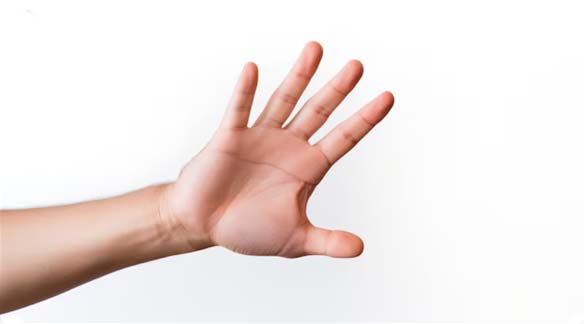
The palm body part is the flat, inner surface of the hand. It is the centre of the hand and supports the fingers. When you place your hand flat on a table, the part touching the table is the palm.
Functions of the Palm:
- Helps in holding objects
- Supports the fingers while gripping
- Protects nerves and muscles
- Helps us feel heat, cold, and pressure
Read More – All Body Parts for Kids with Fun Pictures & Activities
2. Fingers – The Most Active Parts of the Hand
Fingers are long, flexible parts attached to the palm. Humans have five fingers on each hand. Learning the fingers’ names in English is important for kids, especially in early classes. Below are the names of different fingers and their functions:
A. Thumb
The thumb is the shortest and strongest finger. It is placed slightly apart from the other fingers. Without the thumb, many tasks like holding a pencil or buttoning a shirt would be difficult.
Thumb Functions:
- Helps in holding objects tightly
- Allows us to grip and pick things
- Helps in writing and drawing
- Makes hand movement easier
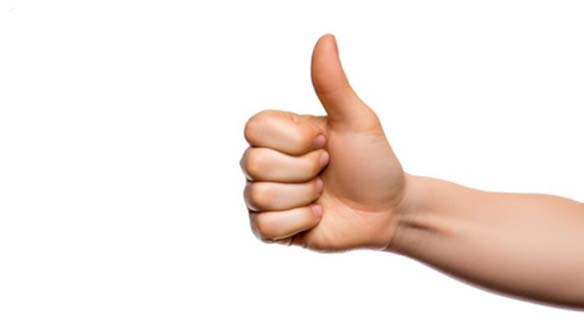
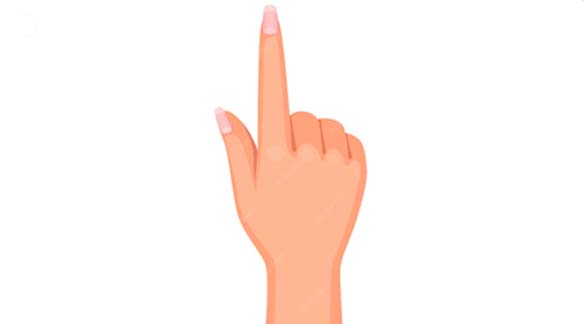
The index finger is next to the thumb. It is also called the pointing finger. Children often use this finger while learning alphabets and numbers.
Index Finger Functions:
- Used for pointing at objects
- Helps in reading and writing
- Used to press buttons
- Helps in counting
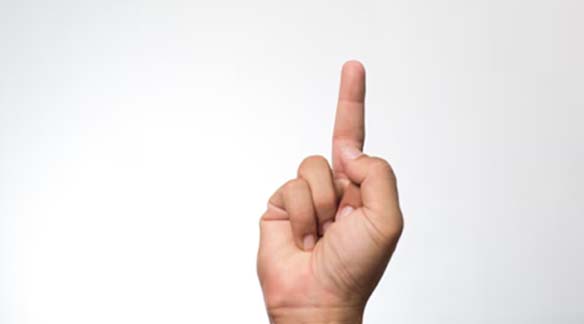
C. Middle Finger
The middle finger is the longest of all fingers. It works together with other fingers to give power to the hand.
Middle Finger Functions:
- Gives strength to the hand
- Helps in gripping heavy objects
- Supports balance while holding things
D. Ring Finger
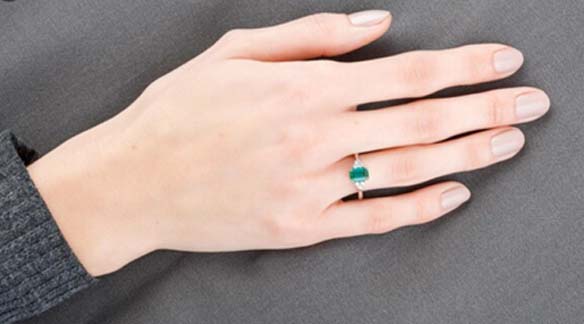
The ring finger is next to the middle finger. In many cultures, rings are worn on this finger, which is why it is called the ring finger.
Ring Finger Functions:
- Helps in holding objects
- Used to wear rings
- Supports fine hand movements
E. Little Finger (Pinky Finger)
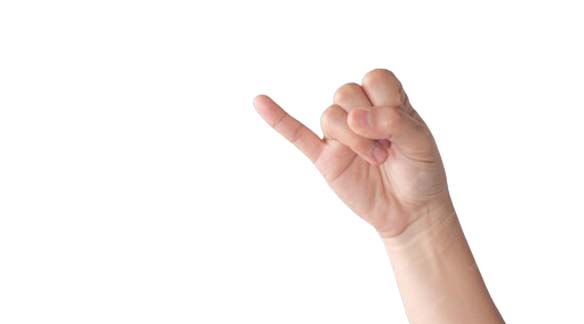
The little finger is the smallest finger on the hand. Even though it is small, it plays an important role in hand movement.
Little Finger Functions:
- Helps in balance and grip
- Supports writing and typing
- Adds strength while holding objects
Read More – Best Body Parts Activities for Preschoolers
3. Wrist – The Connector
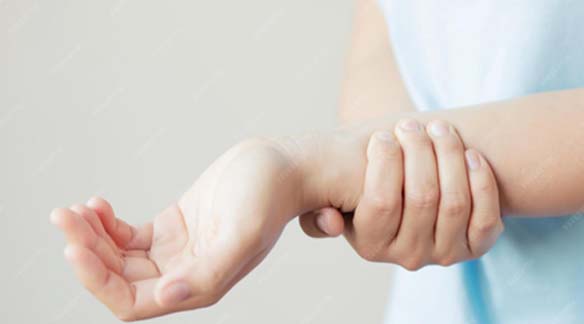
The wrist is the joint between the hand and the arm. Without the wrist, the hand would not move freely.
Functions of the Wrist:
- Allows hand movement
- Helps in turning and twisting the hand
- Supports hand strength
Read More – Names of Face Parts and Fun Learning Activities
Parts of the Hand and Arm
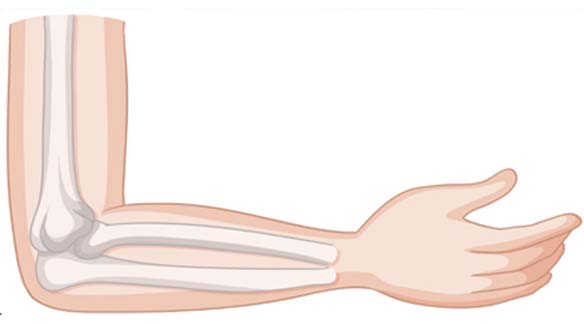
The hand does not work alone. It is connected to the arm. The wrist connects the hand to the arm and allows the hand to move up, down, and sideways.
Parts of the Hand and Arm Include:
- Fingers
- Palm
- Wrist
- Forearm
- Elbow
Why Are Hands Important for Kids?
Hands help children:
- Write and draw
- Eat food
- Play games
- Learn new skills
- Express creativity
That’s why learning the naming of parts of the hand is an important topic in early education.
Read More – Body Tracing for Kids
Hand Name and Uses in Daily Life
The hand name may seem simple, but hands perform many complex tasks. Each task uses different parts of the hand working together.
Some Daily Uses of Hands Include:
- Brushing teeth
- Tying shoelaces
- Writing homework
- Playing sports
- Drawing pictures
Fun Activities to Learn Parts of the Hand
Here are some easy activities for kids:
Trace your hand on paper and label:
- Palm
- Thumb
- Index finger
- Middle finger
- Ring finger
- Little finger
2. Finger Songs
Sing songs about fingers to remember their names.
3. Matching Game
Match finger names with pictures.
These activities make learning interactive and enjoyable.
Read More – Easy Body Awareness Activities For Kids
How Learning About Hands Supports Early Motor Development
Understanding the parts of the hand helps children become more aware of how their body moves and functions. When children learn about fingers, palms, and wrists, they also begin to notice how these parts work together during daily activities like drawing, buttoning clothes, or holding a spoon.
This awareness strengthens fine motor skills, which are essential for writing, cutting, colouring, and other preschool activities. Simple lessons about hand parts make children more confident in using their hands with control and precision.
Learning Body Parts Through Play and Exploration at EuroKids
At EuroKids, concepts like body parts are introduced through play-based and hands-on experiences. Children do not just memorise finger names; they explore them through action.
Activities such as hand tracing, finger rhymes, clay modelling, painting, and action songs help children:
- Identify different fingers naturally
- Improve hand-eye coordination
- Strengthen finger muscles
- Learn through movement and fun
This approach ensures that learning feels enjoyable and meaningful rather than forced.
Encouraging Self-Awareness and Independence in Young Children
Learning the names of body parts, including the parts of the hand and arm, helps children develop self-awareness. When children know their body parts, they can follow instructions better, communicate their needs clearly, and take small steps toward independence.
At EuroKids, children are encouraged to use correct words while talking about their bodies, helping them build vocabulary and confidence. This also supports self-care skills such as washing hands, cutting nails, and practising hygiene habits.
Conclusion
Hands are truly amazing. From holding a crayon to waving goodbye, our hands are always busy helping us learn and explore the world. By understanding the parts of the hand, the fingers name in English, and their functions, children become more aware of their bodies and how to use them confidently.
Teaching children the five fingers name, the palm, and other hand name parts through pictures, activities, and simple explanations makes learning joyful and meaningful. By nurturing curiosity and encouraging hands-on learning from an early age, EuroKids helps children grow into confident, capable, and happy learners, ready to explore the world.
At EuroKids, learning about body parts is introduced through play, songs, hands-on activities, and everyday interactions that feel natural and joyful. They ensure children explore concepts with curiosity and confidence, helping them build strong foundations for lifelong learning.
Parents who wish to begin their child’s early learning journey can explore EuroKids Admission and learn more about age eligibility, curriculum, and nearby centres.
For more child-friendly articles, learning resources, and parenting insights, visit EuroKids Blogs.
FAQs:
1. What are the main parts of the hand?
The main parts of the hand are the palm, fingers, thumb, and wrist. These parts work together to help us hold, touch, write, and pick up things easily.
2. What are the five fingers’ names?
The five fingers’ names are:
- Thumb
- Index Finger
- Middle Finger
- Ring Finger
- Little Finger
3. What is the finger name used for pointing?
The index finger is used for pointing at objects, reading lines, and pressing buttons.
4. Which is the strongest finger of the hand?
The thumb is the strongest finger. It helps us hold objects firmly and makes hand movement easier.
5. Why do we have five fingers on each hand?
We have five fingers on each hand to help us hold objects, balance our grip, and perform different tasks easily. Each finger has a special function.