Numbers are fundamentally abstract. A curved line representing the quantity of “two” is a highly complex concept for a developing brain to safely grasp. If you hand a young learner a piece of paper with a rigid digit printed on it, it means absolutely nothing to them. For centuries, parents and educators faced this exact, difficult hurdle: how do we make the rigid, highly logical world of mathematics accessible to a playful, energetic child?
The answer has never been found in dry, repetitive counting drills. Instead, it is found in the rhythmic, chanting magic of traditional oral poetry. Combining basic numbers with daily, physical chores transforms an intimidating maths lesson into a delightful, memorable game. Exploring this age-old method reveals exactly why this specific counting rhyme remains a massive staple in early education today. Let us completely strip back the history, the physical movements, and the brilliant developmental benefits hiding quietly inside this famous song.
The Complete one two buckle my shoe lyrics
Before you can actively start acting out the sequence with your child in the living room, you need to know the proper words. The brilliance of the one two buckle my shoe lyrics lies entirely in their extreme simplicity and predictable rhyming couplets. The words map out a highly logical, escalating sequence of numbers paired directly with a matching physical action. While most people only remember the very first verse, the traditional song stretches much further. Here are the classic lines to recite at home:
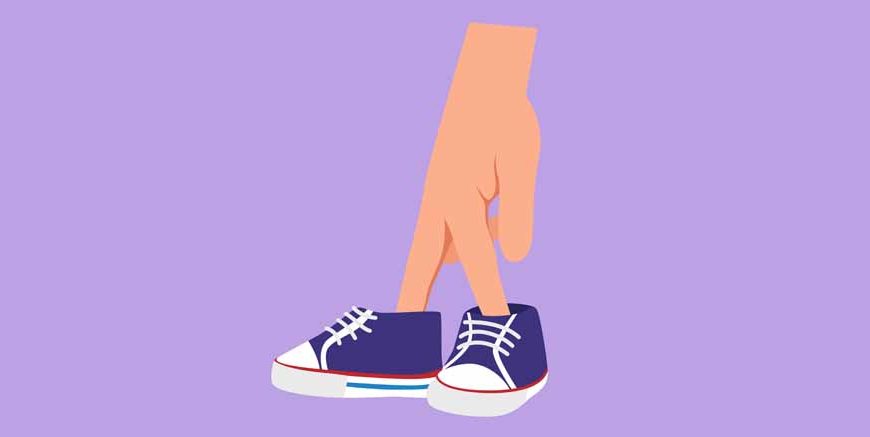
One, two, buckle my shoe;
Three, four, knock at the door;
Five, six, pick up sticks;
Seven, eight, lay them straight;
Nine, ten, a big fat hen!
Eleven, twelve, dig and delve;
Thirteen, fourteen, maids a-courting;
Fifteen, sixteen, maids in the kitchen;
Seventeen, eighteen, maids in waiting;
Nineteen, twenty, my plate’s empty!
Read More – Nursery Rhymes For Kids with Lyrics
Understanding the poem
When you look closely at the structure of one two buckle my shoe, you quickly realise it is not just a random collection of silly phrases. It is a highly structured mnemonic device. A mnemonic is simply a linguistic memory tool, and this specific rhyme uses the incredibly powerful tool of end-rhyme to help young children predict the very next number in the sequence.
Because the number “two” perfectly rhymes with the word “shoe,” a child’s brain does not have to work incredibly hard to remember what comes immediately after the number one. The musical rhythm naturally carries them forward. Furthermore, the song connects abstract counting to highly tangible, real-world objects. Children completely understand shoes, wooden doors, and garden sticks. By attaching a mysterious, abstract number to a familiar wooden door or a pair of leather shoes, the number instantly gains a solid, physical meaning in their minds.
Turning the Rhyme into a Physical Game
To get the absolute most educational value out of this poem, you cannot just sit perfectly still on the sofa and recite it. Children are deeply tactile, messy learners who require gross motor movement to permanently lock new information into their memory. You must actively turn the recitation into a highly physical play session.
For the first line, encourage them to physically reach down and touch their toes or tap the velcro straps on their own shoes. For the second line, have them march over to the nearest wooden door and knock loudly on the panels with their knuckles.
When you reach the line about sticks, scatter some thick crayons or wooden pencils across the living room floor and make them physically bend down to collect the items. By forcing their bodies to move in direct sync with the spoken numbers, you are actively building powerful, long-lasting neural pathways that link physical space with mathematical order.
Phonemic Awareness and Early Speech
Beyond the obvious mathematical benefits, chanting this song is a heavy-duty workout for a child’s speech and articulation. The English language is famously complicated, filled with strange phonetic rules and tricky consonant blends.
When a child forcefully chants the sharp “ck” sound in “buckle” or “knock,” they are physically training their tongue and lips to form difficult shapes. The heavy repetition of the rhyming couplets builds a vital skill known as phonemic awareness. This is the ability to hear, identify, and smoothly manipulate individual sounds within spoken words.
A child who can confidently hear the acoustic similarity between “eight” and “straight” is actively laying the critical, mechanical groundwork for future reading and spelling success. They learn to separate words into distinct, predictable sound families without ever needing to open a dry spelling book.
Read More – Why Phonics is Important for Early Childhood Reading?
Active Mathematics and the Heureka Framework
This highly physical, action-based approach to discovering early mathematics is the exact foundation of the Heureka curriculum. Instead of asking young children to passively stare at a flat whiteboard covered in chalk numbers, the curriculum actively pushes them to stand up, move their bodies, and directly interact with their physical environment.
When a child learns through active movement, like bending down to organise sticks or loudly knocking on a classroom door, the information entirely bypasses short-term, fragile memorisation. It builds a deeply rooted, permanent understanding of the world. They are not just blindly parroting back a numeric sequence they heard an adult say; they are demonstrating genuine, mechanical understanding of numerical order, sequential logic, and physical space. This active discovery ensures that learning always feels like a joyful puzzle rather than a strict, boring chore.
Progressing to Advanced Number Sequencing
Most parents typically stop singing at the number ten because the final verse involving the “big fat hen” is incredibly fun and loud. However, pushing through and teaching the complete, traditional poem all the way to the number twenty provides a massive, highly beneficial leap for early learners.
The teens are notoriously the absolute hardest numbers for young children to master in the English language. Unlike the highly logical twenties or thirties, words like “eleven” and “twelve” do not follow a strict, predictable phonetic pattern. By continuing the song all the way to twenty, you provide a safe, musical framework for them to practice these difficult, tricky words without feeling the harsh pressure of a formal classroom test. It normalises the complicated vocabulary and builds immense counting stamina.
Read More – Counting and Numerical Rhymes for Kids
Using the Rhyme in Daily Routines
The absolute best way to make this lesson stick is to seamlessly weave it into your frustrating daily routines. Mornings with toddlers are often chaotic, rushed, and stressful. You can easily use this rhythm to actively speed up the process of getting dressed.
Sing the first verse loudly while actively helping them put their shoes on before leaving the house. Sing the line about knocking on the door right as you arrive at the school gates. Tying the poem to these daily, mundane habits removes the pressure of a formal sit-down lesson. The song becomes a natural, comforting part of their day, completely eliminating the usual morning arguments while silently reinforcing their early counting skills.
Conclusion
Transforming an impossible, abstract concept like numerical sequencing into a joyful, physical game completely changes how a young child approaches their early education. They stop viewing numbers as a terrifying, strict set of rules and start seeing them as a fun, predictable rhythm that perfectly matches their own footsteps. It is genuinely thought-provoking to realise that a simple poem, created hundreds of years ago by parents trying to make household chores fun, still holds the exact mechanical power to teach a modern child the foundational rules of mathematics and speech.
By blending movement, rhyme, and laughter, we hand them the ultimate toolkit for academic confidence. To discover more wonderful ways to fuel your child’s daily learning and development, explore the EuroKids Blog and start their exciting educational journey today through EuroKids Preschool Admission.
FAQs
At what age should a child be able to count to ten using this song?
Most children can easily memorise and chant the rhythm of the song between the ages of two and three, but they usually begin to understand the actual mathematical meaning of the numbers around the age of four.
Is it normal if my child skips numbers while singing the rhyme?
Yes, it is entirely normal. Young children frequently skip tricky numbers like seven or eight when they are first learning. Gently singing the song alongside them without strictly correcting them helps them eventually fix the missing gaps naturally.
Can I make up my own actions for the song?
Absolutely! If your child does not want to pick up sticks, you can easily change the physical action to clapping hands, tapping knees, or jumping on the spot to ensure they remain highly engaged and physically active.