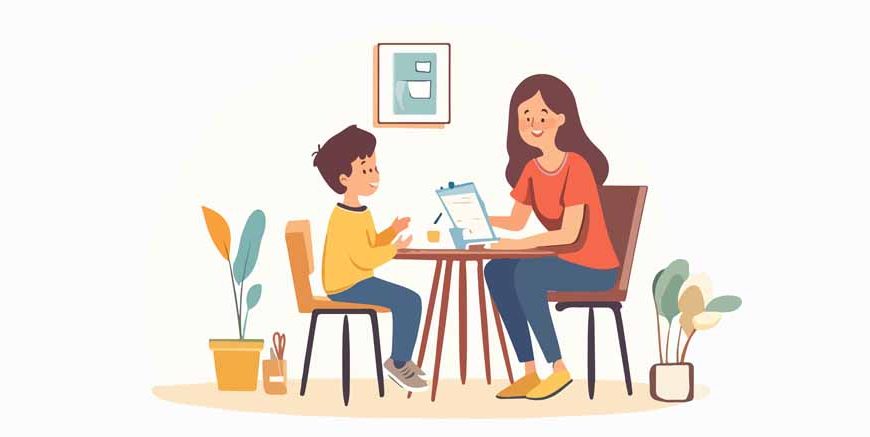
Walking through the brightly coloured gates of a school for the very first time is a monumental milestone. For a toddler, it is an exciting new universe filled with tiny chairs, massive boxes of crayons, and shiny outdoor slides. For a parent, however, it is often a moment filled with sweaty palms and anxious thoughts. The prospect of sitting in a headteacher’s office fills many adults with a strange, lingering dread. We suddenly worry that if our three-year-old refuses to speak or decides to have a loud meltdown, their entire academic future is ruined.
It is time to take a deep breath and completely reframe this experience. If you were to explain this process to your child, you would not use scary words like ‘assessment’ or ‘evaluation’. You would simply say, “We are going to visit a wonderful new playroom, and the friendly teachers just want to say hello and find out what your favourite games are, exactly like making a new friend at the local park!” That is the absolute truth. The initial meeting is not an intimidating interrogation; it is a gentle, collaborative conversation. Let us break down exactly what happens behind those doors and how you can confidently prepare for the standard interview questions for nursery admission.
Understanding preschool admission interview questions
The very first thing parents must realise is that schools are not expecting your toddler to recite complex poetry or solve mathematical equations. When educators ask preschool admission interview questions, they are simply trying to understand the child’s current developmental stage. They want to observe how the child naturally interacts with a brand new environment, how they hold a wooden block, or how they respond to a simple, friendly instruction.
A modern, progressive learning environment, specifically one deeply grounded in the Heureka curriculum, relies heavily on active, joyful exploration rather than rigid, stressful testing. Therefore, the questions directed at the child are incredibly simple and conversational. The teacher might point to a bright red toy apple and ask, “Can you tell me what colour this is?” or “What is your favourite animal?” If the child is shy and refuses to answer, the teachers are highly trained to understand this normal behaviour. They are looking for basic social awareness, not absolute perfection.
Read More – Must-Know Tips for Nursery School Admission Success
Understanding interview questions for parents for nursery admission
While the child plays happily with a jigsaw puzzle in the corner of the room, the focus gently shifts to the adults. You might wonder why the school needs to interview you when you are not the one enrolling in the classes! The reality is that early childhood education is a highly collaborative partnership between the household and the classroom.
The interview questions for parents for nursery admission are specifically designed to ensure that the family’s educational values perfectly align with the school’s teaching philosophy. The administration wants to know about the child’s daily routine, their eating habits, and the general emotional environment at home. They are looking for supportive, involved parents who understand that learning does not instantly stop the moment the school bell rings at the end of the day.
Essential interview questions for parents for nursery admission with answers
To help you walk into the headteacher’s office feeling entirely prepared and fiercely confident, we have compiled a highly practical list. Here are some of the most common interview questions for parents for nursery admission with answers that you can adapt to reflect your own family’s unique routine.
1. How would you accurately describe your child’s personality?
How to Answer: Be completely honest and highly descriptive. Do not just say they are “good.” Focus on their natural traits and daily habits.
Example Answer: “She is a highly curious and energetic child. She absolutely loves exploring the back garden and getting her hands muddy, but she can be a little bit shy when she first meets large groups of loud people. Once she warms up, she is incredibly chatty and loves sharing her toys.”
2. What are your primary expectations from our school?
How to Answer: Focus heavily on holistic development, emotional well-being, and a safe environment, rather than demanding immediate academic genius.
Example Answer: “We are looking for a warm, secure environment that actively encourages learning through messy, hands-on play. We want a school that will help him build his social confidence, teach him how to share with his peers, and nurture his natural curiosity without placing heavy academic pressure on him too early.”
3. How do you handle your child’s temper tantrums at home?
How to Answer: Schools ask this to understand your disciplinary style. They want to see patience and logical emotional regulation.
Example Answer: “We try to remain as calm as possible. If he is having a loud meltdown, we ensure he is physically safe and give him a moment to let the frustration out. Once he is quieter, we gently encourage him to use his words to explain exactly what has upset him, and we try to logically distract him with a new, quiet activity.”
4. Are both parents currently working? How do you manage quality time?
How to Answer: Never feel guilty if you are a busy working household. Schools simply want to know that the child is well-supported and loved. Focus on the quality of your time, not just the quantity.
Example Answer: “Yes, we both work full-time during the week. However, our evenings are strictly dedicated to family dinners and reading bedtime stories together. On the weekends, we completely disconnect from our phones and spend our time visiting the local park, baking in the kitchen, or building massive forts in the living room.”
5. Is your child currently toilet trained?
How to Answer: Do not lie about this. If you say yes and the child has multiple accidents on the first day, it creates unnecessary stress for everyone.
Example Answer: “He is mostly toilet trained during the daylight hours and confidently knows how to ask when he needs to go. However, because everything is so new and exciting, he might just need a gentle, friendly reminder from the teacher after lunchtime so he does not forget.”
Read More – Importance of Preschool Education
Conclusion
We often treat these early school meetings as if they are high-stakes, terrifying university examinations, forgetting that the people sitting across the desk dedicate their entire lives to nurturing and protecting young children. Stripping away the intense anxiety and viewing the admission process simply as a friendly exchange of valuable information completely transforms the experience.
It is genuinely thought-provoking to realise that this simple, fifteen-minute conversation over a cup of tea is actually the exact starting point of a massive, fifteen-year educational journey for your family. By preparing honestly, communicating your values clearly, and trusting in your child’s natural brilliance, you lay a rock-solid foundation for their future academic success.
To discover more brilliant insights on navigating the early years and supporting your child’s milestones, explore the EuroKids Blog and secure your child’s exciting learning journey through EuroKids Preschool Admission today.
FAQs
What should my child ideally wear on the day of the meeting?
Dress them in comfortable, neat, everyday clothes. Avoid stiff, formal outfits that might make them feel itchy, restricted, or overly anxious. If they are comfortable, they will play and interact far more naturally.
What happens if my child completely refuses to speak to the teacher?
Do not panic or angrily force them to talk. Experienced early educators completely expect a certain level of stage fright. They will gently assess the child through silent, play-based observation instead of forcing a verbal conversation.
Should we actively coach our child on what to say before we arrive?
No, heavily coaching a toddler usually backfires, causing them to freeze up completely or sound robotic. Simply tell them you are going to visit a fun new playroom to meet some friendly new teachers, keeping the atmosphere incredibly light and joyful.