Homework time at the kitchen table is usually a bit of a battleground. You are trying to sort out the evening meal, the dog is barking at the postman, and your ten-year-old is staring blankly at a crumpled piece of paper like it holds the secrets of the universe. Pulling words out of them can feel like pulling teeth. But every now and then, a teacher assigns a topic that actually sparks a bit of life.
Writing an essay about the school lessons they love the most changes the dynamic completely. Suddenly, you aren’t begging them to write; you are struggling to keep up with their ideas. Capturing that raw, bubbling enthusiasm on paper is a massive confidence booster for primary school children. It gives them a chance to shout about what they are genuinely good at. Let’s look at how to guide them through this process without killing the fun and turning it into a chore.
Why my favourite subject is Important
When your child finally sits down, grips their pencil, and writes, “my favourite subject is history,” they aren’t just filling a mandatory word count. They are planting a flag in the ground. They are telling you exactly who they are and how their brain works. To make the essay genuinely good, you need to gently push them past the basic, easy answers.
If they tell you they like science because it’s ‘fun’, ask them what kind of fun they mean. Is it the messy experiments that leave the desks covered in water? The loud bangs? The weird, gross facts about the human body? Getting them to dig deeply into the ‘why’ transforms a boring, flat piece of homework into a proper expression of their personality. It makes the person reading it actually feel their excitement. It teaches them that their opinions matter and that they have a unique voice worth listening to.
Read More – My Favourite Subject Maths Essay for Kids
Taking Total Ownership of my subject
A great trick for writing a memorable essay is making the reader feel like they are sitting right there in the little plastic chair next to them. When your child starts talking about my subject, tell them to close their eyes for a second and think about their senses.
What does the art room actually smell like? Usually, it’s a nostalgic mix of wet poster paint and sticky PVA glue. What does the sports hall sound like on a rainy Tuesday? The loud, echoing squeak of rubber trainers on shiny wooden floors. If they absolutely love maths, have them describe the satisfying feeling of drawing a perfectly straight line with a new plastic ruler, or the relief of finally getting a long division sum right after three failed attempts. These hyper-specific, sensory details take an essay from average to absolutely brilliant because they are real.
Brainstorming Across the School Timetable
Sometimes kids just freeze up. They might genuinely enjoy school, but picking just one single thing feels like a massive, terrifying commitment. If they are chewing the end of their pencil and looking totally lost, grab a cup of tea, sit down, and run through this quick list of ideas together:
- Literacy and Reading: This is spot on for the kids who always have their nose buried in a paperback. They can write about the thrill of inventing wild tales about flying dragons, or the quiet coziness of sitting on the classroom carpet while the teacher reads a story aloud.
- Numeracy and Maths: The perfect choice for logical thinkers. The ones who love spotting patterns, counting out plastic money, or the sheer, undeniable satisfaction of solving a really tough puzzle where there is only one correct answer.
- Physical Education (PE): The obvious route for kids who simply cannot sit still. They can describe the rush of scoring a brilliant goal on the muddy school playing field, the icy wind on their face, or the pride of learning how to do a proper forward roll on the gym mats.
- Art and Design: The absolute best option for messy, creative minds. They can write about the freedom of mixing bright colours together, getting their hands covered in clay, and taking a messy masterpiece home to stick in the fridge.
Read More – Effective Essay Writing Tips for Kids
Getting the Words onto the Page
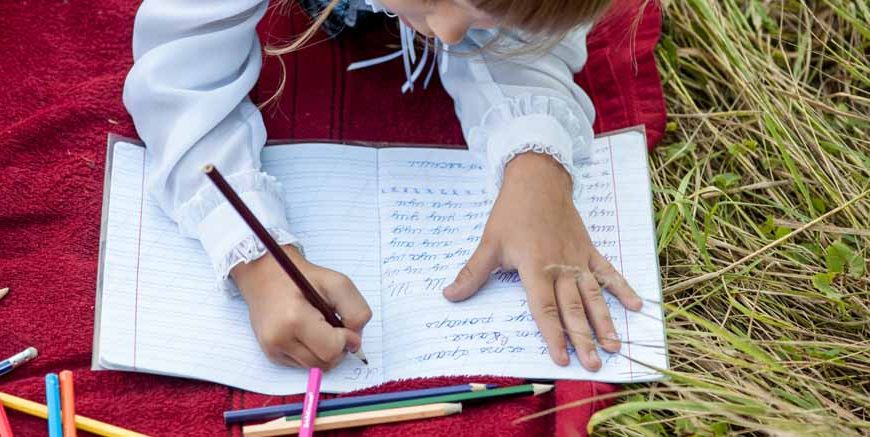
Now comes the actual writing bit. Keep it incredibly simple. Tell them to start with a punchy opening sentence that grabs the teacher’s attention straight away. Then, use the middle paragraphs to tell a quick, personal story. Did they build a papier-mâché volcano that actually erupted vinegar all over the floor? Did they finally spell ‘necessary’ right on a Friday morning spelling test? Real memories always make the absolute best essays.
When it comes to the editing phase, step back a bit. Fix the obvious mistakes, but leave a bit of their natural, messy voice intact. If it reads like a grumpy university professor wrote it, the teacher will definitely know you helped too much! Finally, just ensure they are sticking to proper UK English rules throughout the text, checking that they haven’t dropped the ‘u’ in words like colour, flavour, or favourite.
Read More – Essay On Importance Of Reading for Kids
Conclusion
Watching a child slowly discover what makes them tick is honestly one of the best parts of parenting. When they take the time to pour that passion into a school essay, they are doing much more than just practising their handwriting or learning how to use commas. They are actively figuring out their place in the world. A kid who loves learning about the solar system today might end up building rockets tomorrow.
It reminds us that education isn’t just about passing tests and ticking boxes; it is about finding the specific things that make life interesting and worth exploring. Encouraging this initial spark is what early years education is all about. To find out how we nurture these individual passions every single day, take a look at the EuroKids Blog and secure their place through EuroKids Preschool Admission.
FAQs
How long should a primary school essay actually be?
Keep it brief and punchy. For a young student, three or four short paragraphs are more than enough to get their point across without them losing focus or getting bored.
What if my child insists that playtime is their favourite lesson?
Let them run with it! They can write a fantastic, highly detailed piece about the social skills, physical playground games, and the complex rules they invent with their friends during their breaks.
Should I correct every single spelling mistake they make?
Fix the glaring errors so it makes sense, but try not to completely overwrite their work. Their teacher needs to see their actual current ability to help them improve, not a perfectly polished adult edit.