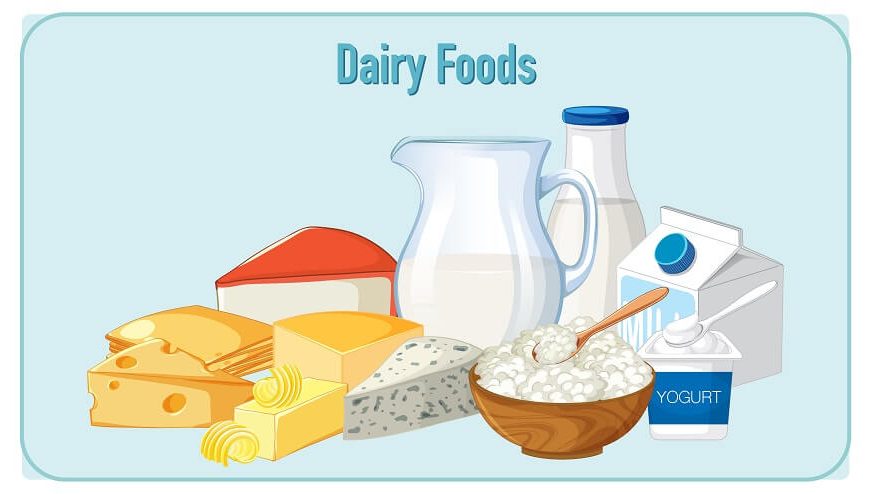
A plain glass of white liquid is an important part of a child’s morning routine. But that simple, humble drink is actually a shape-shifting wonder of the natural world. Through a little bit of temperature change, time, and basic science, it transforms into some of the most exciting, delicious, and deeply comforting foods we eat every single day. Helping a child understand exactly where their food comes from builds a massive appreciation for their daily meals. When they realise that their favourite stretchy, hot pizza topping and their cold, sweet summer ice cream actually start from the exact same place, daily nutrition suddenly becomes a fascinating kitchen experiment.
The Magic of Things Made From Milk
Foods made from milk are absolutely packed with calcium, which is the vital, non-negotiable building block for growing strong, healthy bones and tough teeth. They also carry a heavy dose of high-quality protein, the essential bodily fuel that helps repair small muscles after a long, exhausting afternoon running around the local playground. Whether your child naturally prefers something salty, sweet, or savoury, the sheer, brilliant variety of milk-based products ensures they get these vital nutrients without ever getting bored with the same old snacks.
Read More Healthy Foods for Kids to Gain Weight
A Nutritious Milk Products List
1. Yoghurt
This is perhaps the most gut-friendly item you can safely keep in your kitchen. Yoghurt is cleverly created by adding good, friendly bacteria to warm liquid, which thickens it up and gives it a slightly sharp, tangy flavour. It is incredibly rich in natural probiotics, which act exactly like tiny microscopic peacekeepers in your child’s tummy, ensuring their digestion works perfectly.
Real-world example: Think of plain yoghurt as a brilliant blank canvas. You can eat it plain, or magically turn it into a sweet dessert by stirring in fresh, chopped strawberries, crunchy oats, or a tiny drizzle of golden honey.
2. Cheese
If you ask a young child for a favourite milk product’s name, cheese is almost always the loud, enthusiastic answer. From the hard, sharp cheddar grated heavily over a baked potato to the soft, stretchy mozzarella melting beautifully over a hot pizza slice, cheese is universally loved. It is a highly concentrated, heavy source of bone-building calcium and energy-boosting fat.
Real-world example: It takes roughly ten whole litres of fresh liquid to make just one single kilogram of hard cheese! That is exactly why just a small, matchbox-sized cube of cheese is so packed with heavy, filling energy for a school lunchbox.
3. Butter
This pale yellow block is an absolute necessity in almost every kitchen and bakery. Butter is traditionally made by aggressively churning, or rapidly shaking, heavy cream until the thick fat separates from the watery liquid. It provides essential, heavy fats that young, rapidly developing brains desperately need to concentrate on difficult tasks and learn new things.
Real-world example: Butter is the secret, rich ingredient that makes your morning toast taste incredible and stops your weekend scrambled eggs from aggressively sticking to the hot frying pan.
4. Ghee (Clarified Butter)
A traditional nutritional powerhouse in many family homes, ghee is simply butter that has been slowly simmered in a pot until all the water has entirely evaporated, leaving behind a pure, glowing golden liquid. It is brilliant for household cooking because it can easily handle incredibly high temperatures without burning, and it is completely packed with vitamins A and E, which beautifully support healthy skin and sharp eyesight.
5. Paneer (Cottage Cheese)
This soft, unaged cheese is a fantastic, highly versatile protein source, especially for vegetarian families looking to build their child’s physical strength. It is easily made by adding a quick splash of sour lemon juice or white vinegar to a boiling liquid, causing the thick, white curds to separate instantly.
Real-world example: Because paneer does not have a loud, strong flavour of its own, it acts exactly like a delicious kitchen sponge, perfectly soaking up all the rich, colourful spices in a warm evening curry.
6. Buttermilk
Despite its highly confusing name, buttermilk does not actually contain any butter! It is the slightly sour, highly refreshing liquid left behind after butter is churned. It is an incredibly refreshing drink, especially brilliant for keeping children well hydrated and helping them digest their food well during the brutally hot summer months.
Read More – Health Drinks for Kids
Discovering Every Dairy Product Name
When you actively encourage your child to learn the names of every dairy product, you are expanding their culinary vocabulary and understanding of agriculture. Next time you walk down the cold supermarket aisle, turn the shopping trip into a fast-paced observation game. Ask them to point out the thick tubs of sour cream, the sweet bottles of drinking yoghurt, or the rich, square blocks of cream cheese. By actively identifying these wildly different items, they naturally learn that a single, simple cow-derived ingredient can be masterfully engineered into dozens of distinct textures, shapes, and tastes.
Conclusion
Looking closely at the everyday food sitting quietly on our dinner plates reveals a brilliant, highly interconnected natural system. The simple fact that a cow quietly eating green grass produces a simple liquid that humans can then cleverly transform into sharp yellow cheese, tangy white yoghurt, and golden ghee is a genuinely spectacular piece of everyday biology. Exploring these highly versatile foods teaches growing children that the natural world provides massive, concentrated bursts of energy and nutrition in wildly different, delicious shapes. It is deeply thought-provoking to finally realise that a simple, humble bowl of morning cereal holds the exact same foundational nutrients as a highly complex, gourmet cheese board.
By openly celebrating this wide dietary variety, we effortlessly guide our children toward stronger bones, sharper developing minds, and a highly positive, lifelong relationship with wholesome food. To read more insightful parenting advice and explore creative ways to support your child’s early development, visit the EuroKids Blog and start their joyful learning adventure through EuroKids Preschool Admission today.
FAQs
1. Are these foods safe for children with a sensitive stomach?
Some children lack the specific enzyme needed to digest lactose, the natural sugar found in dairy. If your child constantly gets a sore, bloated tummy after drinking it, consult a doctor; they might easily recommend lactose-free alternatives that offer the exact same bone-building nutritional benefits.
2. Which item from the list is the absolute healthiest for a daily school snack?
Plain, completely unsweetened yoghurt is a phenomenal, top-tier choice for a busy school day. It is heavily packed with gut-healing probiotics and strong protein, and you can easily sweeten it at home using fresh, chopped fruit instead of relying on hidden, artificial factory sugars.
3. Can my child still get enough calcium if they absolutely refuse to drink plain milk?
Absolutely! If a child strongly dislikes the plain taste or texture of the raw liquid, they can easily and safely meet their daily calcium requirement by eating a small, thick block of cheddar cheese, enjoying a cool bowl of yoghurt, or eating a healthy serving of fresh paneer with their dinner.