Nursery rhymes have delighted children for generations with their memorable tunes, simple language, and playful stories. They help young learners build vocabulary, improve listening skills, and develop a love for language from an early age. One of the best-known classic rhymes is Little Miss Muffet, a charming story that combines rhythm, imagination, and gentle humour.
For Indian parents and teachers, nursery rhymes remain an important part of preschool learning because they encourage children to sing, recite, and participate in group activities. Around the world, Little Miss Muffet continues to be taught in homes and classrooms, introducing children to storytelling through rhyme.
In this article, we will explore the Little Miss Muffet rhyme, read the complete Little Miss Muffet lyrics, understand its meaning, discover its educational benefits, and share fun activities that make learning enjoyable for young children.
Little Miss Muffet Lyrics
The traditional Little Miss Muffet lyrics are short, rhythmic, and easy for children to remember.
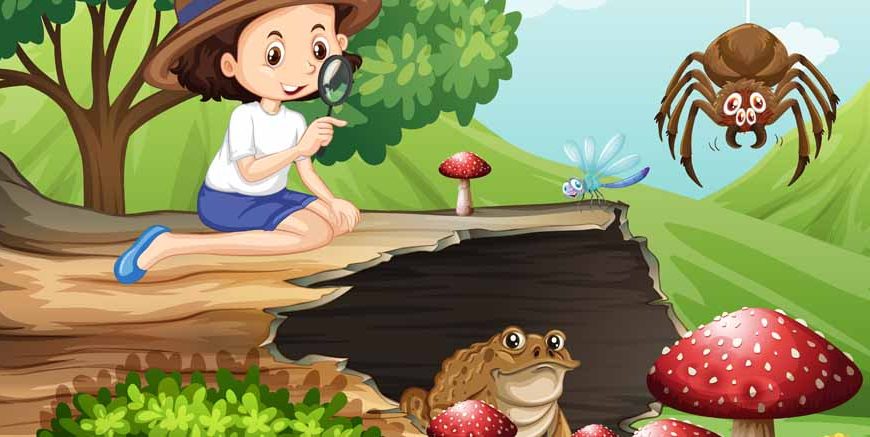
Little Miss Muffet, Sat on a tuffet, Eating her curds and whey. Along came a spider, Who sat down beside her, And frightened Miss Muffet away.
These classic lyrics have been sung by children for centuries and remain one of the most popular nursery rhymes in English.
What Is the Little Miss Muffet Poem About?
The Little Miss Muffet poem tells the story of a little girl enjoying her meal while sitting on a small seat called a tuffet. Suddenly, a spider appears beside her, surprising her so much that she runs away.
Although the rhyme is very short, it creates a vivid picture that captures children’s imagination. Today, many parents use the rhyme to encourage conversations about overcoming fears and understanding that not all spiders are dangerous.
Who Is Miss Muffet?
Many children ask who Miss Muffet is.
In the rhyme, Miss Muffet is a young girl who is quietly eating when a spider unexpectedly appears nearby. She becomes frightened and runs away.
The character has become one of the most recognisable figures in nursery rhyme history and continues to appear in children’s books, animations, and educational resources.
Read more – List of Classic Nursery Rhymes
Understanding Some Unfamiliar Words
The Little Miss Muffet poem contains a few old-fashioned words that children may not hear every day.
What Is a Tuffet?
A tuffet is a small stool or grassy mound where someone can sit.
What Are Curds and Whey?
Curds and whey are parts of milk that separate during cheese-making. Today, teachers often simply describe them as a traditional dairy food.
Learning these words helps children expand their vocabulary as they explore older English literature.
Why Do Children Love Little Miss Muffet?
There are many reasons why Little Miss Muffet remains a favourite nursery rhyme.
Short and Memorable
The rhyme is easy for young children to learn.
Rhyming Words
Words such as “Muffet” and “tuffet” make the rhyme enjoyable to recite.
Interesting Story
The spider’s surprise appearance keeps children engaged.
Fun Actions
Children enjoy pretending to be Miss Muffet and acting out the story.
These qualities make the rhyme suitable for preschool classrooms and home learning.
Educational Benefits of Little Miss Muffet
Nursery rhymes help children develop a wide range of skills.
Improves Vocabulary
Children learn new words such as tuffet, curds, whey, and frightened.
Strengthens Listening Skills
Following the sequence of events improves concentration.
Develops Memory
Repeated recitation helps children remember words and sentence patterns.
Encourages Imagination
The story inspires children to visualise the characters and setting.
Supports Early Reading
Rhyming words help children recognise sound patterns, an important step towards reading fluently.
These benefits make Little Miss Muffet an excellent educational rhyme.
Read more – Nursery Rhymes For Kids with Lyrics
Moral Lessons from Little Miss Muffet
Although the rhyme is playful, it offers opportunities for meaningful discussions.
Facing Small Fears
Children learn that it is natural to feel frightened sometimes.
Learning About Nature
Parents can explain that spiders are part of nature and most are harmless when left alone.
Staying Calm
The rhyme encourages conversations about staying calm in unexpected situations.
Showing Curiosity
Instead of fearing every insect or spider, children can learn to observe nature safely and respectfully.
Vocabulary Children Learn
The rhyme introduces useful English words.
|
Word |
Meaning |
|
Tuffet |
A small seat or grassy mound |
|
Curds |
The solid part of milk used to make cheese |
|
Whey |
The liquid left after milk separates |
|
Spider |
A small eight-legged creature |
|
Frightened |
Feeling scared |
Parents can reinforce these words during story time or nature walks.
Classroom Activities
Teachers can extend the learning through creative activities.
Story Role Play
One child plays Miss Muffet while another pretends to be the spider.
Spider Craft
Create paper spiders using black paper and pipe cleaners.
Rhyming Word Game
Find words that rhyme with “Muffet” and “tuffet.”
Drawing Activity
Ask children to draw the scene from the rhyme.
These activities encourage creativity and language development.
Learning About Spiders
The rhyme provides a good opportunity to introduce simple science concepts.
Children can learn that:
- Spiders have eight legs.
- They spin webs.
- They help control insect populations.
- Most spiders are not dangerous to humans.
This helps replace fear with understanding.
Why Nursery Rhymes Matter
Nursery rhymes continue to play an important role in early childhood education.
Build Language Skills
Children learn sentence patterns and vocabulary naturally.
Improve Pronunciation
Repeated singing encourages clear speech.
Strengthen Memory
Rhymes are easier to remember than ordinary sentences.
Encourage Confidence
Children become comfortable speaking and performing.
Support Social Learning
Group singing promotes cooperation and participation.
These skills prepare children for formal schooling.
Read More – Bedtime Stories for Kids
Interesting Facts About Little Miss Muffet
Here are a few fun facts children may enjoy.
Fact 1
Little Miss Muffet is one of the oldest English nursery rhymes still widely sung today.
Fact 2
The rhyme has inspired many children’s books and animated adaptations.
Fact 3
The spider in the rhyme never actually harms Miss Muffet.
Fact 4
The rhyme introduces several traditional English words.
Fact 5
Children often enjoy acting out the story with simple props.
Questions to Ask Children
After reading or singing the rhyme, ask questions such as:
- Who was sitting on the tuffet?
- What was Miss Muffet eating?
- Who came to sit beside her?
- Why did she run away?
- What would you do if you saw a spider?
These questions improve comprehension and critical thinking.
How EuroKids Builds Strong English Language Foundations
Learning English at a young age becomes natural when children engage with stories, songs, real-life objects, and interactive activities. Instead of rote memorisation, EuroKids focuses on developing language skills through meaningful experiences that make reading, writing, speaking, and listening enjoyable.
At EuroKids, foundational English concepts are taught through storytelling, picture books, phonics-based exercises, and interactive vocabulary games, all aligned with the HEUREKA – Visible Thinking Curriculum. This approach helps children connect words to ideas, build comprehension skills, and express themselves confidently.
Activities such as narrating short stories, describing objects, and participating in “Think-Pair-Share” or “See-Think-Wonder” routines reinforce language understanding. Children learn grammar, vocabulary, sentence formation, and pronunciation in ways that feel playful yet purposeful.
With a child-focused, activity-driven methodology refined over 20+ years and implemented across 1600+ preschools, EuroKids emphasises communication and confidence first. As children enjoy Englishlearning English, their fluency, reading comprehension, and writing skills develop naturally, laying the groundwork for strong lifelong language abilities.
Tips for Indian Parents
Parents can make the rhyme more engaging at home.
Read Slowly
Pause to explain unfamiliar words.
Use Actions
Act out the story while reading.
Explore Nature
Observe spiders safely during nature walks.
Encourage Storytelling
Ask children to imagine what happened after the spider appeared.
Repeat the Rhyme
Regular repetition strengthens memory and pronunciation.
These simple activities make learning enjoyable and meaningful.
Quick Revision
Let’s review what we learned.
- Little Miss Muffet is a classic nursery rhyme.
- The Little Miss Muffet lyrics tell the story of a girl surprised by a spider.
- The Little Miss Muffet poem introduces new vocabulary and storytelling.
- Nursery rhymes improve language, memory, and imagination.
- Parents and teachers can extend learning through crafts, role play, and nature activities.
Conclusion
Little Miss Muffet continues to delight children because it combines a simple story, a memorable rhythm, and engaging characters. Through the poem “Little Miss Muffet,” children strengthen their vocabulary, listening skills, imagination, and confidence while enjoying one of the world’s most beloved nursery rhymes.
For Indian parents and children preparing for a global future, timeless nursery rhymes remain valuable tools for early language development and creative learning. Singing the Little Miss Muffet lyrics, discussing the story, and exploring nature together help transform a short rhyme into a meaningful educational experience that children will remember for years.
To explore more learning ideas, simple explanations, and early childhood resources, parents can visit the EuroKids Blog. Those who wish to understand the preschool journey better or explore enrollment options can find complete information on the Preschool Admission, where learning is joyful, engaging, and child-friendly.