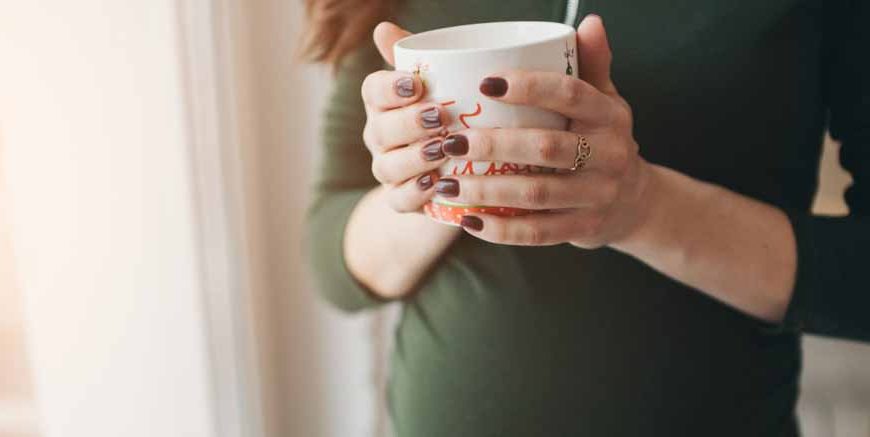
Bangalore-based Anjali, a software developer, just discovered she is expecting. But despite her inner bliss, she is troubled by one worry. Every morning, Anjali looks forward to her steaming-hot cuppa, as it gets her going. She wonders, “Is it okay for me to drink coffee while pregnant?”
Many expecting mothers are concerned about the effects of drinking coffee every day. Let’s look at how coffee affects both the mother and the baby when pregnant.
Let us read about the benefits of drinking coffee while pregnant, the effects of drinking coffee while pregnant, and answer some questions like “can pregnant women drink coffee?” and “is coffee good in pregnancy?”
Table Of Contents:
- Understanding the Worry
- Effects Of Drinking Coffee While Pregnant
- Benefits Of Drinking Coffee While Pregnant
- Can Pregnant Women Drink Coffee?
- Tips For Safe Coffee Consumption
- Indian Context And Cultural Perspectives
- Impacts of Consuming Java While Expectant: Scientific Ideas
- Substitutes for Coffee When Pregnant
- Sources
Understanding the Worry
The Caffeine Factor
The energising kick from coffee, tea, and many fizzy drinks comes from caffeine. Unfortunately, this stimulant can bypass the mother’s body and directly reach the developing baby through the placenta. The reason why an unborn child cannot metabolise caffeine as adults do lies in their immature metabolic system, which processes it very slowly, leading to fears about possible harm.
Recommended Limits
Healthcare providers say that consuming moderate amounts of caffeine generally poses no risk when expecting a baby. According to World Health Organisation (WHO) guidelines on healthy living standards for expectant mothers around the globe, they should consume less than 300 milligrams each day from all sources, including foodstuffs, drinks, etc., containing this substance; usually, this is equivalent to two or three cups of eight-ounce coffee. Some organisations, such as the American College of Obstetricians and Gynaecologists (ACOG), recommend less than 200mg per day.
Read More – Demystifying Pregnancy Cravings
Effects Of Drinking Coffee While Pregnant
High intake of caffeine has been associated with various complications, such as:
- low birth weight
- babies born earlier than the expected time frame, known as preterm delivery,
- miscarriage is sometimes linked, but not always, associated with excess consumption; however, the risks involved are more likely related only when someone takes large amounts.
Benefits Of Drinking Coffee While Pregnant
Although one needs to be careful, some advantages are linked with taking coffee during the gestation period, provided it is done in moderation. Below are a few potential benefits:
- Enhanced Alertness: This can help prevent pregnancy-related tiredness and keep pregnant women awake.
- Antioxidants: Coffee contains antioxidants that may help to lower inflammation and promote overall health.
- Mood Booster: The usual morning routine involving having a cup of coffee often brings about a feeling of normalcy or security, which becomes very important given the emotional ups and downs experienced throughout this time by pregnant women.
Can Pregnant Women Drink Coffee?
Yes, but only moderately; if your caffeine intake is below the recommended levels, coffee can be part of an expectant mother’s daily routine. Here are some points to note when consuming this beverage:
Tips For Safe Coffee Consumption
- Track Caffeine Intake: Keep an eye on all sources contributing to caffeine in your diet, including tea, chocolate, certain medicines, etc.
- Choose Decaf: You may consider decaffeinated alternatives, especially if you’re concerned about the amount of caffeine in regular coffee yet still enjoy its flavour.
- Stay Hydrated: Ensure you drink enough water throughout the day to maintain proper hydration levels across body systems, even if you’re not pregnant.
- Seek Medical Advice: Always talk with your healthcare provider concerning your personal situation should there be any doubts about what constitutes safe levels based on particular circumstances like having complications during pregnancy, etcetera.
Read More – Nutrition During Pregnancy
Indian Context And Cultural Perspectives
Coffee consumption patterns vary greatly across India due to cultural differences between regions; while South Indian states see drinking coffee as part of their everyday life, Northern Indians prefer tea. Thus, many expectant moms would rather use traditional herbal teas such as ginger or tulsi, since they believe these have no harmful effects beyond keeping them warm. Conversely, if someone finds comfort in knowing that moderate intake is generally not harmful, they should consult a healthcare professional who can provide advice tailored to their individual needs.
Impacts of Consuming Java While Expectant: Scientific Ideas
Learnings of the Study
Multiple studies have been carried out on the impacts of drinking coffee while pregnant. For example, the American Journal of Epidemiology published a study that revealed that taking less than 200 milligrams of caffeine per day did not elevate the chances of having a miscarriage. Another investigation in BMC Medicine found no link between average birth weight and maternal consumption levels.
Finding Equilibrium between Threats and Paybacks
The advantages, such as reduced mood swings or increased attentiveness from consuming java during pregnancy, should be weighed against the possible risks involved. High caffeine intake may cause rapid heartbeats and elevated blood pressure, which are not good for expectant mothers.
Personalised Guidelines
Every pregnancy journey is unique; what works for one person might not work for another. It’s important to get personalised advice from healthcare providers who consider your health status and lifestyle to provide recommendations tailored to you.
Read More – Choosing the Right Prenatal Vitamins
Substitutes for Coffee When Pregnant
The desire for a morning pick-me-up minus all that energy buzz? Try these options:
- Herbal teas: Opt for soothing chamomile or refreshing peppermint; they also aid digestion and promote relaxation.
- Coconut water: A great way to hydrate naturally with electrolytes. It also helps digest food better plus absorb nutrients faster.
- Oatmeal, yoghurt, smoothies: These are healthy choices that provide a long-lasting energy supply through their fibre content, along with the proteins and vitamins they contain; feel free to add some chopped nuts or fruit if you want an extra taste twist.
If taken excessively, caffeine becomes harmful, but coffee during pregnancy is generally safe for an expectant mother. Therefore, monitoring your caffeine intake and talking to a doctor about it will help you enjoy your favourite brew without unnecessary anxiety.
Conclusion
For most healthy pregnancies, moderate coffee consumption can usually be included as part of a balanced diet. The key is to monitor your total caffeine intake, stay within the recommended limits, and discuss any concerns with your healthcare provider.
If you’re unsure whether your coffee habit is appropriate during pregnancy, your doctor or obstetrician can provide personalised guidance based on your medical history.
At EuroKids, we understand that every stage of parenting begins with informed choices. Explore the EuroKids Blogs for more trusted articles on pregnancy, parenting, child development, nutrition, and early learning.
Frequently Asked Questions
1. Can I drink coffee during the first trimester?
Many healthcare professionals advise limiting caffeine throughout pregnancy, including the first trimester. Speak with your doctor about the amount that’s appropriate for you.
2. How much caffeine is safe during pregnancy?
Many experts recommend limiting caffeine intake to less than 200 mg per day, including caffeine from all food and drinks.
3. Does tea count towards daily caffeine intake?
Yes. Tea, coffee, chocolate, energy drinks, cola, and some medicines all contribute to your daily caffeine intake.
4. Is decaffeinated coffee safe during pregnancy?
Decaffeinated coffee contains much less caffeine than regular coffee and is often chosen by pregnant women who wish to reduce their caffeine intake.
5. Should I stop drinking coffee completely during pregnancy?
Not necessarily. For many healthy pregnancies, moderate coffee consumption within the recommended caffeine limit is generally acceptable, but always follow your healthcare provider’s advice.