When you watch a child stand still during the national anthem or point excitedly at the Indian flag fluttering in the wind, you realise something important. Children do not need complex explanations to feel pride. They need meaning. Yet, many parents and educators struggle with one genuine problem. How do you explain a national symbol in a way that children truly understand and remember, not just recite?
Teaching children about the national flag of India is not about rote learning. It is about helping them connect values with visuals and stories with symbols. When you guide them correctly, the Indian flag becomes their first lesson in unity, respect, and belonging. This blog helps you do exactly that by breaking down the meaning of the flag, offering age-appropriate essays, and showing how structured early education makes learning purposeful.
Understanding the Tiranga Flag and Its Meaning
The tiranga flag represents India’s identity, history, and shared values. When you explain it to children, you are not just naming colours. You are helping them understand what it means to belong to a nation.
Many children ask a simple but important question. How many colours in the Indian flag are there? The answer is three. Each colour carries a message that even young minds can grasp when explained thoughtfully.
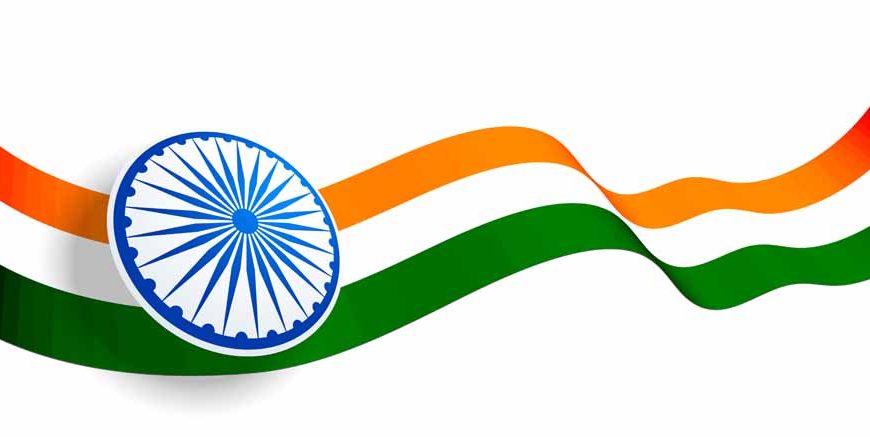
Saffron at the top stands for courage and selflessness. White in the middle symbolises peace and truth. Green at the bottom reflects growth, hope, and harmony with nature. At the centre of the white band sits the Ashoka Chakra, a navy-blue wheel with 24 spokes. It reminds children that life should always move forward with honesty and discipline.
When you explain these ideas in simple words, the flag stops being just a picture. It becomes a story children want to remember.
Read More – National Symbols of India for Kids
About Our National Flag and Its History
To help children truly learn about our national flag, you need to go beyond definitions. The Indian national flag was officially adopted on 22 July 1947, just weeks before independence. It symbolised a new beginning for a country that valued unity over differences.
The flag’s design draws inspiration from India’s freedom movement. The Ashoka Chakra comes from the Lion Capital of Ashoka at Sarnath, reminding every citizen of moral responsibility and justice. When children learn these facts early, they begin to see the flag as a symbol of responsibility, not just celebration.
Teaching this history builds respect naturally. Children start understanding why the flag must never touch the ground and why it deserves honour during national events.
Read More – Essay Writing Tips for Kids
About National Flag of India for Young Learners
Explaining about national flag of India to young children requires clarity, patience, and age-appropriate language. You should focus on meaning rather than memorisation.
Children learn best when concepts feel relatable. When you compare the three colours to bravery, peace, and growth, they connect ideas to everyday emotions. When you explain that the Ashoka Chakra teaches them to always do the right thing, they begin associating values with actions.
At EuroKids, educators introduce such concepts through stories, classroom conversations, and creative activities, making learning both engaging and meaningful.
Our National Flag Paragraph for Kids
A short paragraph often helps children express their understanding confidently. This national flag paragraph works well for classroom recitations and written practice.
India’s national flag is called the Tiranga. It has three colours: saffron, white, and green. Saffron stands for courage, white stands for peace, and green stands for growth. The Ashoka Chakra in the centre teaches us to follow truth and honesty. We respect our national flag and feel proud when we see it.
Such paragraphs help children organise thoughts while improving vocabulary and sentence structure.
Read More – APJ Abdul Kalam Essay in English for Kids
Why Writing an Essay on National Flag Matters
Writing an essay on the national flag helps children develop more than language skills. It teaches them to think, reflect, and express respect in their own words.
When children write about national symbols, they learn how ideas connect. They understand structure, sequencing, and clarity. These skills form the foundation for strong communication, which benefits them far beyond academics.
Essay on National Flag of India – 10 Lines
A 10-line essay suits younger students who are learning how to write independently.
The Indian national flag is called the Tiranga.
It has three colours: saffron, white, and green.
Saffron shows bravery and strength.
White shows peace and truth.
Green shows growth and happiness.
There is a blue Ashoka Chakra in the centre.
The Ashoka Chakra has 24 spokes.
It teaches us to always move forward.
We respect our national flag.
We feel proud of our country.
This format helps children practise clarity and discipline in writing.
Short Essay on National Flag of India
The Indian national flag is a symbol of pride and unity. It has three colours that represent courage, peace, and growth. The Ashoka Chakra in the centre teaches us to live with honesty and responsibility. Our freedom fighters respected the flag and fought for our country. We should always honour our national flag and remember the values it stands for. Such essays encourage children to think beyond facts and express meaning.
Read More – My School Essay for Class 1 Kids
Long Essay on National Flag of India
The Indian national flag represents the soul of our country. Known as the Tiranga, it carries three colours that symbolise courage, peace, and growth. The Ashoka Chakra in the centre reminds every citizen to follow the path of truth and justice. Our national flag reflects the struggles and sacrifices of freedom fighters who dreamed of a united India. Respecting the flag means respecting the country and its values. When we honour the national flag, we promise to act responsibly and contribute positively to society.
How EuroKids Makes Learning Meaningful
At EuroKids, learning about national symbols happens through stories, discussions, and hands-on experiences that match a child’s curiosity and emotional development. Children do not memorise. They understand. EuroKids follows the Heureka Curriculum, which supports experiential learning and helps children connect values with real-life experiences.
Why Early Value-Based Education Matters
Early education shapes how children view the world. When you introduce national values early, children grow up with respect, empathy, and social awareness. Learning about the national flag helps them understand identity and responsibility from a young age. EuroKids focuses on building strong foundations where academics and values grow together, preparing children for future learning and life.
Conclusion
Understanding the national flag is not just about essays or exams. It is about nurturing pride, respect, and awareness in young minds. When children learn the meaning behind the Tiranga, they carry those values forward in their daily lives.
If you are exploring quality early education, EuroKids Admission offers a learning environment that combines structured academics with value-based learning. The EuroKids Blog continues to support parents and educators with thoughtful insights that guide early childhood development meaningfully.