You want your child to grow up confident, kind, and rooted in values. Yet in a world filled with screens, fast content, and short attention spans, meaningful cultural learning often slips away. Festivals give you a powerful opportunity to pause and reconnect your child with stories that shape character. Holi offers exactly that moment.
When you read a holi story for kids, you do more than narrate an old tale. You introduce courage, faith, and the victory of good over evil in a way children understand. You help your child connect colours with compassion, celebration with responsibility, and tradition with identity. Many parents search for a holi festival story for kids that feels simple yet meaningful. They want something short, clear, and rich with values.
This blog guides you through the authentic story of holi for kids, its history, moral lessons, and cultural importance. You will also understand how to explain the festival thoughtfully and how early education platforms like EuroKids bring such traditions alive for young learners.
Let us begin with understanding what Holi truly represents.
What is Holi? Understanding the Festival of Colours
Holi marks the arrival of spring in India. People celebrate it in the Hindu month of Phalguna, usually in March. As winter fades and flowers bloom, communities gather to welcome warmth, colour, and renewal. You see children running with bright powders, families sharing sweets, and neighbours visiting one another with joy.
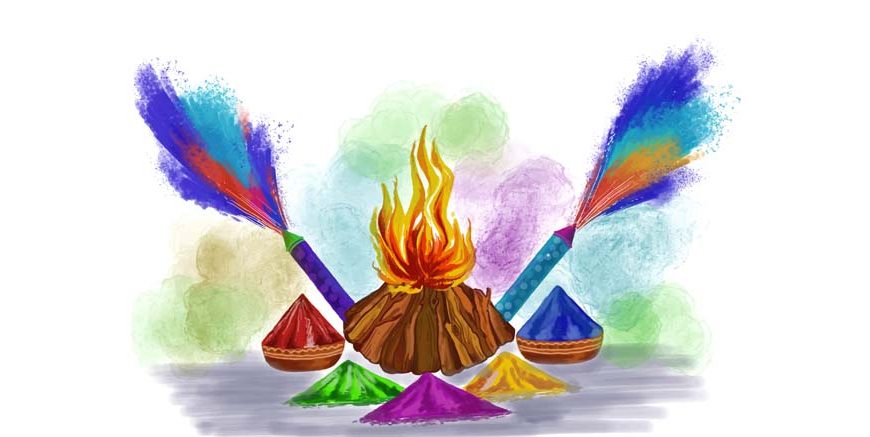
People call Holi the Festival of Colours because they apply gulal, coloured powder, on friends and family. These colours symbolise happiness, unity, and new beginnings. When your child participates in Holi, they experience social bonding, cooperation, and celebration of diversity.
Holi also teaches that differences dissolve when people come together. On this day, social barriers soften. Communities laugh, forgive, and reconnect. Through a meaningful holi story for children, you help your child understand that Holi does not revolve only around colours. It revolves around values. It celebrates goodness, humility, and devotion.
To appreciate this fully, you need to explore the history behind the festival.
Read More – Fun Facts About Holi
The Historical Background of Holi: Ancient Roots and Cultural Significance
Holi traces its origins back thousands of years in Indian history. Ancient Hindu scriptures such as the Puranas mention this festival. Historical records and temple carvings also depict spring celebrations similar to modern Holi.
The festival reflects agricultural cycles. Farmers celebrated the end of winter and prayed for a good harvest. Over time, spiritual stories merged with seasonal celebrations. The most famous narrative behind Holi involves Prahlad, Hiranyakashipu, and Holika.
When you narrate the holi festival story for kids, you connect your child to centuries of cultural continuity. You help them understand that traditions survive because they carry meaning. Holi stands as a reminder that goodness outlasts arrogance and truth overcomes cruelty.
Understanding the background prepares your child to grasp the central story with clarity.
The Classic Story of Holi for Kids: Prahlad and Holika
Now let us explore the heart of the story of holi for kids.
Long ago, a powerful king named Hiranyakashipu ruled with pride. He wanted everyone to worship him instead of Lord Vishnu. His young son Prahlad, however, believed deeply in Vishnu. Prahlad refused to bow before his father’s ego.
Hiranyakashipu grew furious. He tried many ways to punish Prahlad, but nothing harmed the child because faith protected him. Finally, the king asked his sister Holika for help. Holika had a magical cloak that protected her from fire. She planned to sit in a blazing fire with Prahlad on her lap, expecting the flames to destroy him.
As the fire rose, something unexpected happened. The cloak flew from Holika and wrapped around Prahlad. The flames consumed Holika instead. Prahlad emerged safe.
This powerful holi story for children teaches that arrogance destroys itself, while truth and faith stand firm. People light bonfires on the eve of Holi to remember this event. They call this ritual Holika Dahan.
Moral Lessons in This Story About Holi for Kids
When you tell this story about holi for kids, you shape your child’s moral compass. Prahlad’s courage shows that you can stand for truth even when authority pressures you. Hiranyakashipu’s downfall reminds children that pride leads to loss. Holika’s fate teaches that misuse of power invites consequences.
You can relate these lessons to everyday life. When your child faces peer pressure, Prahlad’s example encourages resilience. When they feel tempted to boast or dominate, the king’s story offers perspective.
Holi therefore becomes more than a festival. It becomes a lesson in integrity, belief, and inner strength. Through storytelling, you transform celebration into character education.
Read More – Holi Activities Bursting with Color
Holika Dahan: The Bonfire That Symbolises Renewal
On the night before Holi, communities gather around a bonfire. This ritual marks Holika Dahan. Families pray, sing, and walk around the fire. They symbolically burn negativity, jealousy, and anger. When you explain this ritual to your child, you help them understand emotional cleansing. The fire does not celebrate destruction. It celebrates renewal. It invites people to let go of harmful habits. Children learn that every year offers a fresh start. They understand that they can correct mistakes and grow stronger. Through this practice, Holi reinforces accountability and hope.
Why Children Love Holi: Joy, Colour and Connection
Children experience Holi with pure excitement. They enjoy mixing colours, laughing with friends, and sharing sweets like gujiya and malpua. The sensory richness of the festival stimulates creativity and imagination.
When you allow safe participation, you strengthen your child’s social confidence. They learn teamwork while playing with colours. They practise sharing and cooperation. They experience inclusion and belonging.
The festival encourages positive interaction within families and communities. A simple holi story for kids combined with celebration builds emotional memories that last a lifetime.
Holi and Cultural Awareness: Clarifying the Difference from Holy Week Story for Kids
Some parents confuse Holi with a holy week story for kids. These two belong to different traditions. Holy Week forms part of the Christian calendar and commemorates events leading to Easter. Holi belongs to Hindu tradition and celebrates the triumph of good over evil and the arrival of spring.
When you explain this distinction respectfully, you nurture inclusivity. You teach your child that diverse cultures follow different stories, yet all promote values like kindness and faith. Cultural awareness strengthens empathy and global understanding.
How Storytelling Builds Emotional Intelligence in Early Childhood
Research in early childhood education highlights that storytelling improves language development, empathy, and critical thinking. When you narrate a meaningful holi festival story for kids, you stimulate imagination and moral reasoning.
Children analyse characters. They understand the consequences. They ask questions. This process strengthens cognitive growth. Festivals therefore offer educational opportunities beyond textbooks.
Educators encourage experiential learning because children remember stories better than instructions. Through value-based storytelling, you nurture thoughtful and emotionally aware individuals.
How EuroKids Makes Festivals Meaningful for Your Child
At EuroKids, educators integrate festivals like Holi into structured learning experiences. Teachers narrate the holi story for children through interactive sessions, role play, art activities, and guided discussions. Children explore colours safely while understanding the moral behind the celebration.
EuroKids follows the Heureka Curriculum, which encourages experiential and value-based learning through hands-on activities that connect tradition with real-world understanding.
When your child learns within such an environment, they do not memorise facts. They internalise values.
Conclusion
You shape your child’s worldview through the stories you choose to tell. A meaningful holi story for kids introduces courage, resilience, and compassion. Holi reminds your child that goodness prevails, arrogance fails, and every new season brings hope.
If you want your child to grow in a nurturing environment that celebrates culture and builds strong values, explore EuroKids Preschool Admission options in your city. Visit the EuroKids Blog section for more insightful stories and parenting resources designed to support your child’s early learning journey.
Give your child stories that strengthen both heart and mind.
Frequently Asked Questions
1. What is the moral of the holi story for kids?
The moral emphasises that truth and faith defeat arrogance and evil. It teaches courage, honesty, and belief in goodness.
2. Why do people celebrate Holika Dahan?
People light bonfires to symbolise the burning of negativity and to remember Prahlad’s victory over injustice.
3. How can you explain Holi to young children?
Use simple language, narrate the Prahlad story, and connect the festival with values such as kindness and friendship.
4. Is Holi safe for small children?
Yes, if you use natural colours, supervise play, and encourage respectful behaviour.
5. What is the difference between Holi and holy week story for kids?
Holi belongs to Hindu tradition and celebrates spring and moral victory. Holy Week belongs to Christianity and commemorates events before Easter.