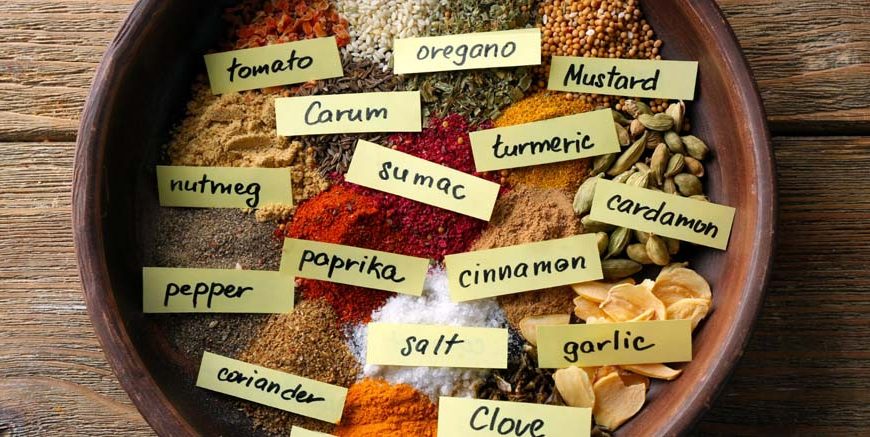
Begin with a relatable scene. When you walk into your kitchen, you instantly notice the aroma of cumin, turmeric, basil, or mint. These flavours come from tiny ingredients that play a powerful role in food, culture, and health. Yet many children eat meals every day without knowing the ingredients that create those flavours.
Helping your child learn spices name, herb names, and names of herbs plants builds curiosity about food, nature, and science. Children often recognise vegetables and fruits, but they rarely identify herbs and spices that make dishes taste delicious. When you introduce spices name in English through spices names with images and pictures of herbs, learning becomes visual, interactive, and memorable.
This guide introduces your child to common herbs and spices found in Indian kitchens and gardens. Along the way, you will also explore herbal plants list, simple explanations about green herbs, and examples that make learning fun. By the end, your child will not only recognise different flavours but also understand where they come from.
Subtopics briefly introduced in this section:
- Difference between herbs and spices
- Why visual learning with photos of herbs helps children remember better
- How recognising herbs and spices improves food awareness and vocabulary
What Are Herbs and Spices? A Simple Explanation for Kids
Children often hear these words together, but herbs and spices are slightly different.
Herbs come from the leafy green part of plants. These plants usually grow easily in gardens or small pots at home. Many dishes use green herbs to add freshness and aroma. Examples include basil, mint, and coriander.
Spices come from other parts of plants such as seeds, roots, bark, or dried fruits. For instance, cinnamon comes from tree bark, while cloves come from flower buds.
When you show your child pictures of herbs or herb drawings, they begin to understand how these plants grow. Similarly, when they see spices names with images, they can connect the spice in the jar with the plant it originally came from.
Learning these small differences improves vocabulary and observation skills.
Read More – Simple Ways to Preserve Spices
Why Children Should Learn Herbs and Spices
Learning about herbs and spices may sound simple, but it supports several areas of early childhood development. First, it expands vocabulary. When your child learns spices name in English, they improve language skills and word recognition. Second, it builds curiosity about nature. Many herbs grow easily in pots, making them perfect for home learning.
Third, herbs and spices introduce children to cultural food traditions. Indian cuisine uses dozens of spices that add colour, flavour, and nutrition. Finally, it encourages sensory learning. Children use smell, sight, and touch to identify different ingredients. Showing photos of herbs or asking children to draw simple herb drawings also supports creativity.
List of 20-25 Herbs and Spices Names for Kids
Below is a simple learning list that introduces commonly used herbs and spices found in kitchens and gardens. When teaching children, you can show spices names with images or real ingredients.
Common Spices Name for Kids
- Turmeric
- Cumin
- Coriander seeds
- Black pepper
- Cinnamon
- Cloves
- Cardamom
- Mustard seeds
- Fennel seeds
- Fenugreek seeds
- Star anise
- Nutmeg
- Paprika
- Bay leaf
These spices come from seeds, bark, or dried plant parts. They add flavour, colour, and aroma to food.
Common Herb Names for Kids
- Mint
- Basil
- Coriander leaves
- Parsley
- Thyme
- Oregano
- Rosemary
- Dill
- Curry leaves
- Sage
- Lemongrass
These herbs belong to the leafy part of plants. Many appear in a herbal plants list used in cooking and traditional remedies. Showing children pictures of herbs alongside real leaves helps them recognise each plant easily.
Read More – Discover the Secrets of Indian Spices
Two Herbs Name Every Child Should Know
Sometimes learning starts with simple examples. You can begin with two herbs name that children often see at home. Mint and basil are perfect starting points. Mint has bright green leaves and a refreshing smell. People use it in drinks, chutneys, and salads. Basil grows widely in many gardens. It carries a sweet fragrance and appears in soups, pasta, and herbal teas. When your child looks at photos of herbs like mint and basil, they learn how plants look in real life.
Green Herbs Children Can Grow at Home
Some herbs grow so easily that children can plant them themselves. Gardening helps them understand how names of herbs plants connect to nature. Mint grows quickly in small pots and needs only moderate sunlight. Coriander leaves sprout easily from seeds and appear frequently in Indian cooking. Basil plants grow well indoors and require simple care. Watching herbs grow from seeds teaches patience and responsibility. It also helps children recognise fresh green herbs in their meals.
Read More – Herbs To Prevent Infection In Monsoon
How to Teach Kids Herbs and Spices Through Pictures
Children learn faster when you combine words with visuals. Showing spices names with images or pictures of herbs strengthens memory.
You can use illustrated books, flashcards, or simple herb drawings to explain plant shapes and leaves. For example, mint leaves look textured and slightly wrinkled, while rosemary leaves appear thin and needle-like. Kitchen exploration works well too. Let your child smell cinnamon sticks, touch bay leaves, or observe mustard seeds. These experiences turn everyday cooking into a small science lesson.
Fun Activities to Help Kids Remember Herbs and Spices
Learning herbs and spices becomes exciting when you turn it into an activity. You can ask your child to match spices name in English with the correct picture. Another activity involves identifying herbs by smell. Drawing exercises also help. Encourage your child to create simple herb drawings of mint, basil, or coriander. Art helps children remember plant shapes and colours. Cooking together also works as a learning opportunity. When your child helps sprinkle cumin or coriander into food, they start recognising those ingredients naturally.
Why Visual Learning Matters for Children
Research in early childhood education shows that visual learning improves memory retention. Children often remember pictures faster than written text. That is why spices names with images, photos of herbs, and labelled plant pictures help children connect information with real objects. Visual learning also strengthens observation skills. Children start noticing plants in gardens, markets, and even kitchen shelves.
Encouraging Curiosity Through Everyday Learning
When you introduce your child to spices name, herb names, and names of herbs plants, you turn everyday cooking into a learning opportunity. Small lessons about food and plants build curiosity that extends far beyond the kitchen.
If you want your child to develop curiosity, creativity, and practical knowledge, early learning environments play an important role. At EuroKids, learning often connects everyday experiences with classroom activities.
Parents exploring EuroKids Preschool Admission will discover programmes designed to support curiosity-driven learning. The EuroKids Blog also shares useful resources that help parents make learning engaging at home.
EuroKids follows the Heureka Curriculum, which encourages discovery-based learning where children explore real-world concepts through observation and activities.
Encourage your child to notice ingredients, ask questions about plants, and explore nature. These small conversations often spark a lifelong love for learning.
Frequently Asked Questions
1. What are herbs and spices for kids?
Herbs come from the leafy parts of plants, while spices come from seeds, bark, or roots. Both add flavour and aroma to food.
2. Why should children learn herbs and spices?
Learning spices name in English helps children expand vocabulary, understand food ingredients, and develop curiosity about plants.
3. What are some common herbs for children to recognise?
Mint, basil, coriander, parsley, and rosemary appear frequently in herbal plants list used in cooking.
4. How can children learn herbs and spices easily?
Children learn best through visuals such as pictures of herbs, photos of herbs, and spices names with images.
5. Can children grow herbs at home?
Yes. Mint, basil, and coriander grow easily in small pots and help children understand green herbs and plant care.