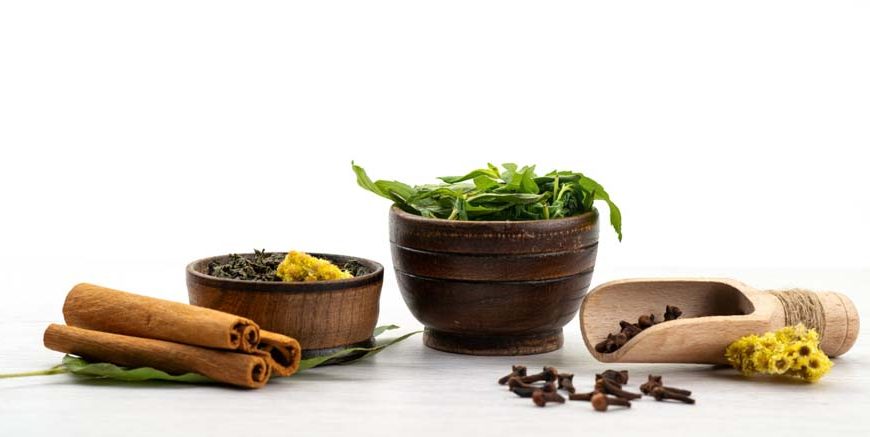
In India, the monsoon season is a time of relief from the heat and dryness of summer. Everything turns green and lush. But it also brings some health challenges. This time of year also means bugs, lots of them. Moist weather is an ideal breeding ground for disease-causing insects, according to ICMR. These diseases can range from those spread by mosquitoes, like malaria and dengue, to waterborne illnesses caused by contaminated food or drink.
We’re always worried about protecting our loved ones from unseen dangers associated with monsoons. Luckily, there are many immune-boosting herbs in Ayurveda, an ancient Indian medical system; let me tell you about some powerful Ayurvedic infection fighters that can help keep infections at bay on those rainy days.
Why Monsoon Infections Increase During the Rainy Season
The monsoon season creates the perfect environment for germs and insects to multiply. Common reasons for increased infections include:
- Humidity and dampness encourage fungal and bacterial growth
- Mosquito breeding in stagnant water
- Contaminated food and drinking water
- Sudden temperature changes weaken immunity
- Poor digestion due to seasonal changes
As immunity weakens, the body becomes more susceptible to infections affecting the throat, skin, intestines, and respiratory system. This is where Ayurvedic herbs become highly beneficial.
Read More Ways to Prevent Stomach Infections During Monsoons
Ayurvedic Herbs To Prevent Infection In Monsoon
1. Tulsi (Holy Basil) :
Known as “queen among herbs”, tulsi has been praised since ancient times for its many medicinal properties & health benefits, such as boosting immunity against different types of bacterial or viral infections, etc., eugenol content makes it a good herb for sore throats caused by bacteria or viruses and even fever due to any kind, including those caused by. Tulsi is considered one of the best immune-boosting herbs in India. As far as curing infections is concerned, there would hardly be anything better than this!
Drinking Tulsi tea daily strengthens the body’s resistance to pathogens while also soothing sore throats caused by viruses and reducing the intensity or duration of viral fevers. Additionally, its adaptogenic nature helps manage stress levels, thereby vitalising a strong immune response.
2. Neem:
Neem, referred to as “wonder leaf,” is another potent Ayurvedic herb with a wide spectrum of healing properties, especially useful during the monsoons, when people are prone to skin-related ailments due to fungal or bacterial overgrowth. Neem leaves can be used internally (e.g., as capsules) or applied externally (e.g., neem oil on the skin). It detoxifies the body and purifies the bloodstream, thereby enhancing overall health and preventing various infections. Neem’s efficacy in treating skin infections is remarkable because it relieves itchiness caused by rashes, thus accelerating the healing process. Looking for herbs for infection? Look no further than neem.
3. Giloy (Guduchi):
Giloy, also called Guduchi, is an excellent immunity-boosting herb in Ayurveda, particularly recommended during rainy days, as it helps fight viral & bacterial attacks more effectively than at any other time. This plant contains high levels of antioxidants, along with anti-inflammatory and antipyretic properties that help reduce fever and strengthen the immune system against various diseases that occur frequently during this season.
Regular consumption of Giloy juice or capsules provides protection against common monsoon problems like colds and flu, while also improving respiratory function.
4. Turmeric:
Turmeric, the golden spice of India, has been widely used for its medicinal properties since ancient times and is known to possess a diverse range of curative powers; therefore, it is regarded as an essential ingredient for treating infections according to Ayurvedic principles. The active compound in turmeric, curcumin, exhibits strong anti-inflammatory, antioxidant, and antimicrobial activities, making it useful against many types of infections.
Drinking warm milk mixed with powdered turmeric, or adding sufficient quantities of this herb daily, can cure throat and intestinal infections, and sometimes even skin-related ones. Its ability to stimulate immunity to fight off pathogens makes it a natural preventive remedy for all sorts of infections, especially those prevalent during monsoons, as per the Ayurveda tradition followed here for centuries together now.
5. Ashwagandh:
Also called Indian Ginseng, Ashwagandha is a potent adaptogen that supports stress management and boosts overall immunity. It is highly effective against viral infections. Not just that, it also helps the body recover from diseases.
6. Amla (Indian Gooseberry):
Did you know that amla is known for boosting the immune system? This is mainly due to its high vitamin C content, which acts as an antioxidant. It also helps fight off infections, especially throat and intestinal ones, because it has antimicrobial properties. It neutralises free radicals, thereby improving overall health.
When included in one’s diet, either by drinking juice made from fresh amlas or by using the powdered form mixed with other foods like curries, this fruit enhances immunity, thereby protecting against many common ailments.
7. Ginger:
Ginger, which you may find in your kitchen, is among the powerful Ayurvedic herbs with a wide range of medicinal uses. Its anti-inflammatory effects make ginger suitable for use when handling bacterial infections, including those affecting the throat or intestines.
Drinking tea made from crushed ginger root mixed with hot water can relieve cold symptoms, such as a sore throat, while also promoting digestion even more than before.
8. Manjistha:
Another name for the Manjishta herb is Indian Madder, since, apart from being a potent blood purifier, it also strengthens the defence mechanisms naturally found in our bodies. It is most effective at treating skin infections and boosting overall skin health. This herb possesses anti-inflammatory properties that help detoxify blood,lood thereby reducing skin conditions.
9. Mulethi (Licorice Root):
Mulethi, also known as licorice root, acts as an expectorant, so it is useful for treating respiratory tract disorders such as bronchitis, asthma, etc., caused by excessive coughing due to its soothing effect on mucous membranes lining these areas. Additionally, this plant has anti-inflammatory properties that help prevent various infections in our bodies.
Drinking tea made out of crushed mulethi roots mixed with hot water can offer relief against sore throats caused by bacterial or viral agents, while at the same time enhancing general respiratory health through clearing off phlegm blocking air passages within lungs.
Read More – Easy to Follow Health Tips During the Monsoon Season
Conclusion
As monsoons bring relief but also present health risks, there is a need to adopt Ayurveda wisdom, which can greatly help us at this point. These medicinal properties found in Ayurvedic herbs can boost our immune systems without causing harm, thereby helping protect us from infection naturally. They provide broader coverage against bacteria, viruses, fungi, parasites, and worms that cause diseases ranging from inflammation and throat infections to intestinal infections, among others, thus helping us stay healthy, even when surrounded by sick individuals.
Remember that a qualified practitioner should be consulted before starting these medications, particularly if one has an underlying condition or is taking other drugs concurrently; otherwise, the whole body may become toxic over time due to the accumulation of toxins resulting from improper use of this type of drug. Let us take advantage of this season by making good use of these herbs so that we can enjoy our lives more fully while remaining healthy inside and out.
EuroKids understands how crucial a strong immune system is for children’s health during the monsoons. Our early childhood education is holistic in nature and includes physical wellness as well as natural health care practices. Visit EuroKids today to learn more about our programs and how we prioritise your child’s health.
FAQs
1. Which Ayurvedic herb is best for boosting immunity during monsoon?
Tulsi, giloy, and amla are among the best Ayurvedic herbs for improving immunity during monsoon.
2. Can turmeric help prevent infections?
Yes, turmeric contains curcumin, which has anti-inflammatory and antimicrobial properties that help fight infections.
3. Is neem good for skin infections during the monsoon?
Yes, neem helps prevent fungal and bacterial skin infections because of its antibacterial properties.
4. Can children consume Ayurvedic herbs?
Some Ayurvedic herbs may be suitable for children, but it is important to consult a healthcare professional before use.
5. How does Giloy help during the rainy season?
Giloy strengthens immunity and helps protect against seasonal viral and bacterial infections.