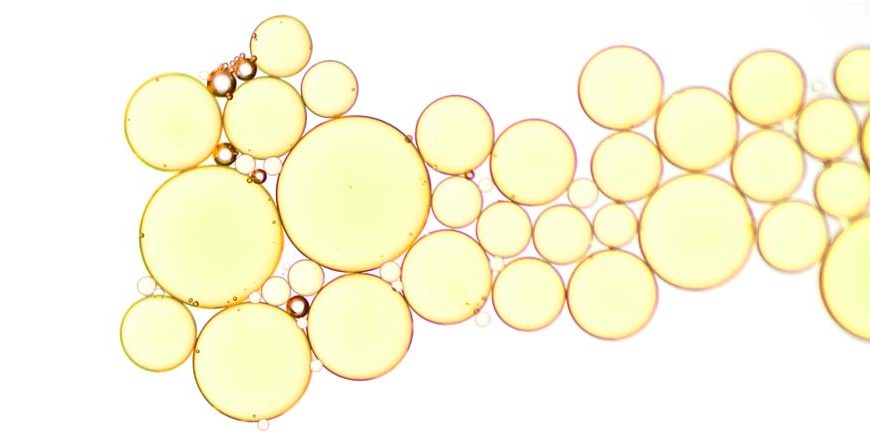
Bears sleep through the entire freezing winter without eating a single meal. Birds fly thousands of miles across oceans without stopping for a snack. To pull off these incredible survival tricks, animals rely on a special type of built-in battery. This battery stores massive amounts of energy, keeping them warm and active when food is hard to find.
In the world of science, this powerful energy storage system is built using a fascinating group of molecules. Today, we will explore this biological battery, learn exactly what it is made of, and discover why our own bodies absolutely need it to survive.
The Basics: What Are Lipids?
To start off our biology lesson, let us answer the biggest question: what are lipids? In the simplest terms, they are natural fats, oils, and waxes found in living things. If a science teacher asks for a basic lipids definition, you can tell them they are a group of molecules in the body that do not mix with water.
Think about washing greasy dinner plates. If you pour plain water on a butter knife, the water just slides right off. The butter completely ignores the water. This exact behavior is the true lipids meaning. If you want to know what is the meaning of lipids mean in your daily life, just remember the golden rule of the kitchen: oil and water do not mix.
Read More – Understanding Cells: Types, Structure, and Roles
The Deeper Science: Biology and Biochemistry
When older students study human cells under a microscope, the vocabulary gets a little bit more specific. The lipids meaning in biology focuses directly on how these molecules build the walls of our cells. Every single cell in your body is wrapped in a soft, protective bubble made entirely of these fatty molecules.
If we look even closer at the chemistry, we find the lipids definition in biochemistry. This deals with the exact tiny building blocks holding the whole molecule together. So, lipids are made of what exactly? They are built mostly from long chains of carbon and hydrogen atoms linked tightly together.
These long, strong chains are exactly what gives them their unique chemical characteristics of lipids. Because of these specific carbon chains, they refuse to dissolve or melt in water, making them the perfect waterproof shields for our delicate cells.
Everyday Sightings: Examples of Lipids
You do not need a fancy laboratory microscope to see these molecules; they are sitting right inside your kitchen fridge. Here are a few common examples of lipids that you interact with every single day:
- Fats: Solid items like cold butter, hard cheese, and the white fat you see on a piece of raw meat.
- Oils: Liquid items like olive oil, sunflower cooking oil, and coconut oil.
- Waxes: The sticky wax inside a beehive, or the natural, shiny waterproof coating on the skin of a green apple.
- Phospholipids: The special microscopic fats that build the protective outer walls of all human, animal, and plant cells.
Read More – Nucleus of a Cell: Definition, Location, Structure & Functions
The Heavy Lifters: Uses of Lipids
Some people mistakenly think all fat is bad and should be completely avoided. This is totally false! A healthy, growing body absolutely requires these molecules to function properly. The uses of lipids are incredibly important for your daily survival.
1. Long-Term Energy Storage
While sweet carbohydrates give you quick energy to run across the playground right now, fats act as your long-term backup battery. When you play outside for hours and use up all your quick energy, your body taps into this backup tank to keep you moving strong.
2. Staying Warm
A thick layer of fat acts exactly like a cozy winter jacket. It traps your natural body heat inside, keeping you perfectly warm even on a freezing, snowy day. Animals like walruses, seals, and penguins rely heavily on this thick layer (called blubber) to survive swimming in icy oceans.
3. Protecting Your Organs
They act like soft bubble wrap wrapped tightly around your heart, lungs, and kidneys. If you trip and fall down while playing a sport, this soft, squishy layer absorbs the shock and keeps your vital internal organs safe from bruising.
4. Vitamin Helpers
Your body needs certain vitamins (like Vitamin A, D, E, and K) to stay healthy and fight off germs. These specific vitamins can only be absorbed and carried through your bloodstream if they attach themselves to fat molecules first. Without the fat, the vitamins would just wash right out of your body!
Read More – Amoeba: Structure, Parts & Functions Explained for Students
Conclusion
To wrap up our lesson, these fatty molecules are much more than just the greasy oil leftover in a frying pan. They are an essential part of nature’s brilliant design. Built from long carbon chains that perfectly repel water, they come in the form of familiar fats, liquid oils, and waterproof waxes. From building the protective walls of every single cell in our bodies to storing massive amounts of backup energy, they do the heavy lifting that no other molecule can do.
Learning about this biological battery leaves us with a truly interesting realization. We often label things as strictly “good” or “bad,” especially when it comes to the food we eat. But nature demands a perfect balance. The very same fats that we are told to eat carefully are the exact same molecules holding our cells together and keeping our bodies warm in the winter. It teaches us that to truly understand how our world works, we have to look past simple labels and appreciate the complex, necessary jobs that everything in nature performs.
To read more fun and educational articles, check out the EuroKids Blog, and visit our website for details on EuroKids Admission.
Read More – Mitochondria: Definition, Structure, Functions & ATP
FAQs
Are there good and bad fats?
Yes! Good fats found in avocados, nuts, and fish help your brain grow and keep your heart healthy. Bad fats, often found in heavily fried junk food, can make your heart work too hard if you eat too much of them.
Why do tree leaves feel waxy?
Plants coat their leaves in a thin layer of natural lipid wax. This waterproof shield stops the sun from drying out the plant’s internal water, keeping the leaf green and healthy.
Do plants use these molecules for energy too?
Absolutely. Plants pack their seeds full of rich oils (like sunflower seeds or peanuts). This oil gives the tiny baby plant the massive energy it needs to push through the dirt and grow its first leaves.
How do soap and water clean grease if water and oil do not mix?
Soap is a magical chemical bridge! One end of a soap molecule loves water, and the other end loves oil. The soap grabs the grease, the water grabs the soap, and the grease is finally washed down the drain.