When you look down at a thriving city from an aeroplane, one structure quietly coordinates everything behind the scenes. The city hall does not build roads or run shops, yet every major decision flows through it. Your body follows a similar system. At the microscopic level, life depends on a central command centre that controls growth, repair, and daily functioning. For students and business professionals alike, understanding how this system works begins with one essential question: what keeps everything organised and running smoothly?
This guide takes you inside the cell to explain the nucleus in a clear and practical way. It offers an easy-to-understand nucleus definition and shows why this organelle plays such a critical role in sustaining life. Rather than treating biology as a subject to memorise, this breakdown helps you see how structure, control, and information flow work together at the cellular level. Whether you are helping your child grasp a science concept or strengthening your own scientific literacy, this explanation simplifies the study of the nucleus into meaningful insights that stay with you beyond the classroom.
What is the Nucleus of a Cell: The Biological Headquarters
You can think of the nucleus as the administrative heart of a eukaryotic cell. To provide a nucleus easy definition, it is a membrane-bound organelle that houses the genetic material, DNA, of an organism. Its primary role is to serve as the information processing centre. By protecting the genetic code, it ensures that every instruction for growth, metabolism, and reproduction is executed without error. This makes it distinct from prokaryotic cells, like bacteria, where the genetic material floats freely. For anyone interested in the study of nucleus, the first step is recognising its role as the “brain” that coordinates every cellular activity.
Read More – Solar System for Kids
Where is Nucleus Located in a Cell: Strategic Placement
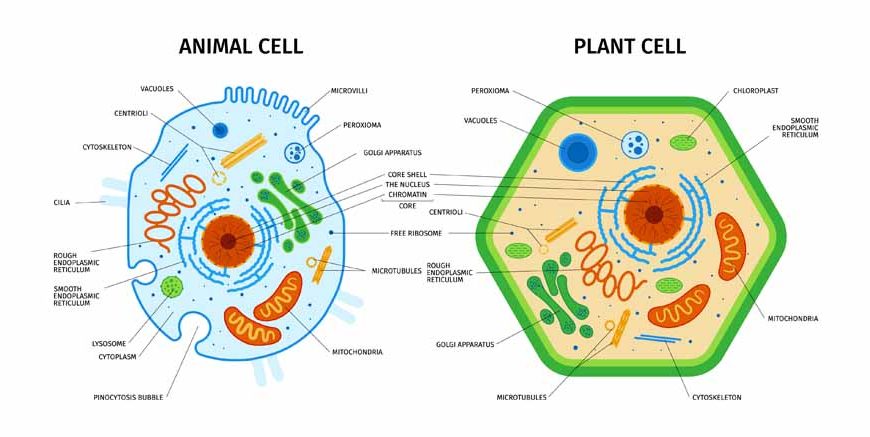
One of the most common questions in biology is where the nucleus is located in a cell, and the answer depends entirely on the type of cell you are examining. In a typical animal cell nucleus, you will find it positioned right at the centre. This central location allows it to send out signals to various organelles with maximum efficiency. However, the world of botany offers a different perspective. In a plant cell nucleus, the location is often pushed to the periphery. This happens because plant cells contain a large, water-filled central vacuole that takes up most of the space. Despite being “scooted” to the side, it remains the undisputed commander of the cell’s functions.
Read More – Discover Grasslands: Fun Facts for Kids
Nucleus Characteristics: Identifying the Command Centre
When you observe a cell under a microscope, several unique nucleus characteristics make it stand out. It is typically the largest and stiffest organelle, occupying about 10% of the cell’s total volume. It is surrounded by a double-layered membrane known as the nuclear envelope. This envelope is riddled with nuclear pores—tiny “security gates” that decide exactly which molecules can enter or exit. Inside, you will find the nucleolus, a dense region responsible for making ribosomes, and chromatin, which are the thread-like structures that eventually form chromosomes. These features ensure that the genetic library remains safe while still being accessible for the cell’s needs.
Read More – Facts About the Layers of the Earth for Kids
The Dual Perspectives: Plant Cell Nucleus vs Animal Cell Nucleus
While both perform the same fundamental job, there are subtle nuances between the plant cell nucleus and the animal cell nucleus.
- Physical Shape: In animal cells, the nucleus is generally spherical. In contrast, the nucleus in a plant cell can sometimes appear flattened or irregular due to the pressure from the large central vacuole.
- Genetic Instructions: While the structure is similar, the instructions stored within differ. The plant nucleus contains the blueprints for photosynthesis and cell wall construction, processes that are absent in the animal kingdom.
- Movement: In dynamic animal cells, the nucleus can slightly shift its position based on the cell’s activity, whereas the plant nucleus is more anchored due to the rigid cell wall.
Read More – Sunflower Facts for Kids
Study of Nucleus: Why It Matters for Your Child
Understanding the “why” behind biology is just as important as the “what.” At EuroKids, we encourage children to question the world around them from a very young age. We follow the Heureka Curriculum, which is a “Visible Thinking” framework inspired by Harvard’s Project Zero to nurture critical thinking and curiosity. By learning about the nucleus, children start to grasp how small parts work together to create a larger, living system. This foundational logic helps them become superior thinkers who can connect biological concepts to real-world problem-solving.
Exploring More on the EuroKids Blog
If you found this guide helpful, you should explore the wider EuroKids Blog section. We regularly publish deep dives into science, creative arts, and parenting tips designed for the modern family. Our goal is to provide you with high-quality, research-backed information that makes learning a joy for both you and your child. From understanding cellular structures to mastering early math, our blog is your go-to resource for educational excellence.
Securing a Future with EuroKids Admission
Choosing the right start for your child is the most important decision you will make. The EuroKids Preschool Admission process is designed to be seamless, welcoming you into a community that prioritises your child’s safety and holistic development.
EuroKids Franchise Opportunity: A Path for Edupreneurs
For business professionals looking to invest in a meaningful venture, the Preschool Franchise Opportunity with EuroKids is a world-class choice.
- Proven Success: Partner with a brand that has 23+ years of experience and has nurtured over 700,000 students.
- Comprehensive Support: We offer support, including site selection, teacher training, and marketing assistance.
- Investment Details: The Education Business Opportunity requires a capital investment of approximately 12 to 20 lakhs, with a dedicated area of 1500-2500 sq. ft.
- High Returns: Enjoy an anticipated return on investment (ROI) of 35% with a payback period of 1.5 to 2 years.
Frequently Asked Questions (FAQs)
Can a cell survive without a nucleus?
Most cells cannot survive for long without a nucleus because they lose the ability to repair themselves or reproduce; however, human red blood cells are a rare exception that function without one.
What is the “easy definition” of a nucleus?
The nucleus is the “control centre” or “brain” of the cell that stores DNA and tells the cell how to grow and function.
How does the Heureka Curriculum benefit my child?
The Heureka Curriculum focuses on “how to think” rather than “what to think,” using 20 distinct Thinking Routines to spark deep curiosity and critical analysis.
What is the role of nuclear pores?
Nuclear pores act as selective channels that allow essential proteins and RNA to move between the nucleus and the cytoplasm while keeping the DNA safe inside.
Is a teaching degree required for a EuroKids franchise?
No, while a passion for education is vital, we provide all the training and operating manuals you need to run a successful preschool.