Water quietly shapes the way you live, learn, travel, and grow. You may cross bridges without thinking, glance at a blue patch on a map, or enjoy a family holiday near calm waters. Yet behind those everyday moments lies a powerful learning opportunity. When you help a child understand a lake, you introduce them to geography, science, environment, and observation all at once. Lakes connect nature to daily life in ways that feel simple but teach deeply.
Parents often look for learning topics that feel real rather than forced. Lakes solve that problem naturally. They appear in textbooks, stories, holidays, news, and even conversations about climate and sustainability. When children learn about lakes early, they do not just memorise facts. They learn how nature supports life, how humans depend on water, and why caring for resources matters. This blog helps you explore lakes in a way that feels clear, engaging, and meaningful for children.
What Is a Lake
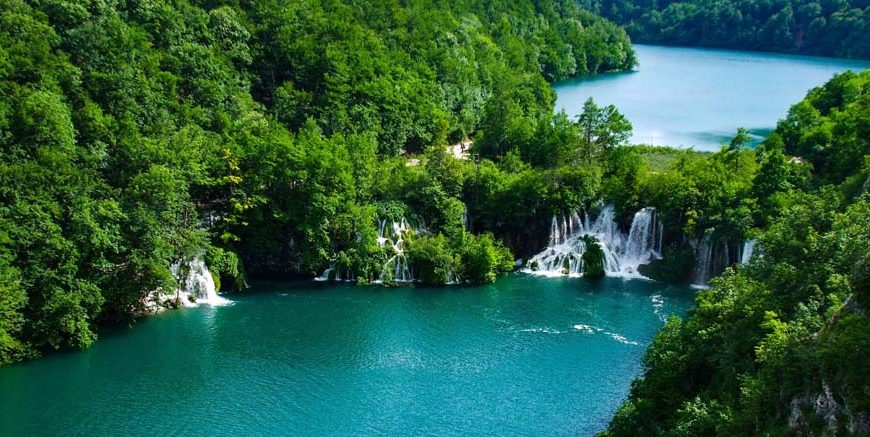
To understand lakes properly, you first need a clear and correct lake definition. A lake is a large body of water surrounded by land on all sides. Unlike rivers, lake water usually stays still. Unlike seas, lakes do not connect directly to oceans. Most lakes contain fresh water, although some lakes hold salty water too.
You often find lakes in natural depressions on land. Rainwater, melting glaciers, underground springs, or rivers can fill these spaces over time. Humans also create lakes by building dams across rivers. These man-made lakes store water for cities and farming.
When children learn this definition early, they begin to see water bodies not as random features but as systems with purpose. This clarity builds a strong base for EVS learning.
Read More – The Real Difference Between Oceans, Rivers, and Lakes
Key Characteristics of Lakes
Every lake shares certain features that help children identify and understand them. The characteristics of lakes begin with still water. Unlike rivers that keep moving, lake water stays mostly calm, although wind can create gentle waves.
Lakes vary in size and depth. Some lakes stretch across hundreds of kilometres, while others remain small enough to walk around. Many lakes change with the seasons. Water levels rise during rainy months and fall during dry periods. Plants grow along lake edges, and animals depend on lakes for survival.
Another important characteristic involves boundaries. Land surrounds lakes completely. This clear shape helps children distinguish lakes from seas and oceans on maps. Understanding these features trains observation skills and strengthens geographical awareness.
Different Types of Lakes Children Should Know
Not all lakes look or behave the same way. Freshwater lakes contain water suitable for drinking after treatment. People use these lakes for farming, fishing, and daily needs. Most lakes children learn about fall into this category.
Saltwater lakes contain high amounts of salt. These lakes often form in dry regions where water evaporates quickly, leaving salt behind. You cannot drink salt lake water, but these lakes support unique plants and animals.
Man-made lakes form when humans build dams across rivers. These lakes store water, prevent floods, and generate electricity. Teaching children about different lake types helps them understand how nature and humans interact responsibly.
The Study of Lakes
The study of lakes plays an important role in environmental science. Scientists study lakes to understand water quality, climate patterns, plant life, and animal behaviour. This field of study helps communities protect water sources and plan sustainable development.
When children learn that lakes need care and monitoring, they begin to understand responsibility. They learn that pollution affects drinking water, wildlife, and human health. This awareness does not frighten children. Instead, it encourages thoughtful questions and problem-solving skills.
Early exposure to such topics strengthens curiosity and scientific thinking. It also helps children connect classroom learning with real-world challenges.
Read More – Types of Water Bodies for Preschoolers and Kids
How Lake Water Supports Life
Lake water supports life in ways that touch every part of the natural world. Inside a lake, fish find a safe environment to grow, feed, and reproduce. These fish form an important link in the food chain and help maintain balance within the ecosystem. Birds visit lakes daily to drink water, catch fish, and build nests near the shoreline. Many migratory birds travel thousands of kilometres just to rest and feed at lakes, showing how essential these water bodies are for wildlife survival.
Plants growing along lake edges play a quiet but vital role. Their roots hold soil together and prevent erosion, especially during heavy rainfall. These plants also release oxygen into the water and air, helping both aquatic life and the surrounding environment. Together, plants and animals create a healthy system where every form of life depends on clean, well-balanced lake water.
People depend on lakes just as deeply. Many families rely on lake water for drinking and household use after it undergoes treatment. Farmers use lake water to irrigate fields, allowing crops to grow even during dry periods. Industries also depend on lake water for manufacturing processes, making lakes important for economic activity.
Lakes often become centres of community life. Families gather around lakes for festivals, recreation, and social events. Children play, elders relax, and communities earn livelihoods through fishing, boating, and tourism. When children understand these connections, they begin to see water as a shared and precious resource rather than something that can be wasted. This early awareness encourages respect for nature and helps build responsible habits that last a lifetime.
Important Uses of Lakes
The uses of lakes go much deeper than what you see on the surface. Lakes quietly support daily life in ways that many people do not notice at first. One of the most important roles of a lake is supplying fresh water. Many towns and cities depend on lake water for drinking, cooking, and cleaning after proper treatment. Farmers also rely on lakes to irrigate crops, especially during dry seasons, which helps ensure food security for communities.
Lakes create livelihoods for thousands of families. Fishermen depend on healthy lakes to catch fish that provide both nutrition and income. When lakes remain clean and balanced, they support fish populations year after year. This makes lakes an essential part of local economies, particularly in regions where fishing traditions pass from one generation to the next.
Tourism forms another major benefit of lakes. People travel to lakes for boating, nature walks, birdwatching, and relaxation. These visits create jobs in hospitality, transport, and local markets. Small businesses such as boat services, food stalls, and handicraft sellers often grow around popular lakes, showing how natural resources can support economic growth.
Lakes also play a critical role in managing natural water flow. During heavy rainfall, lakes store excess water and reduce the risk of floods in nearby areas. This natural storage protects homes, farms, and infrastructure. In some regions, lakes help recharge groundwater, ensuring wells and hand pumps continue to supply water.
Many lakes contribute to clean energy production. Hydroelectric projects use stored lake water to generate electricity without burning fossil fuels. This supports sustainable development while reducing pollution. In certain parts of the world, lakes also serve as transport routes, allowing boats to carry goods and people efficiently where roads remain limited.
When children learn about these uses, they begin to see lakes as living systems that support both nature and human life. This understanding helps them connect natural resources with everyday needs and recognise that a healthy environment supports a strong economy.
Read More – Uses of Water for Kids: Key Facts & Activities Explained
India and Its Lakes
Many people refer to India as the land of lakes in India because of the sheer number and variety of lakes across the country. From the Himalayan region to coastal plains, lakes support diverse ecosystems and communities.
Dal Lake in Jammu and Kashmir supports tourism and houseboat living. Vembanad Lake in Kerala supports fishing and agriculture. Loktak Lake in Manipur features floating islands that support wildlife and human settlements.
These lakes do more than hold water. They shape regional culture, climate, and livelihoods. Learning about Indian lakes builds geographical awareness and national understanding.
Famous Lakes Around the World
The biggest salt lake in world is the Great Salt Lake in the United States. This lake contains high salt levels because water flows in but does not flow out. Over time, evaporation leaves salt behind.
Unlike freshwater lakes, the Great Salt Lake supports specialised organisms that thrive in salty environments. Comparing global lakes with Indian lakes helps children understand diversity in nature.
Such comparisons strengthen global awareness while reinforcing scientific thinking.
Topics like lakes fit naturally into early education because they combine observation, imagination, and real-world relevance. Children learn best when lessons connect to experiences they recognise, such as travel, rain, rivers, and holidays.
At EuroKids, environmental topics encourage curiosity and questioning. Children observe pictures, stories, and discussions that bring lakes into their world. EuroKids follows the Heureka Curriculum, which promotes experiential learning through real-life concepts like water bodies and nature.
Why Parents Should Encourage Learning About Nature
When you encourage children to learn about lakes, you support more than academic growth. You help build curiosity, confidence, and empathy. Nature-based learning improves attention span and observational skills.
Parents play a key role by discussing what children see, read, and ask. Simple conversations about lakes during travel or storytelling strengthen learning outcomes. Schools that integrate such topics meaningfully help children grow holistically.
Conclusion
Learning about lakes, lake water, and the characteristics of lakes builds a strong foundation for EVS and life skills. Children who understand nature early grow into thoughtful, responsible individuals.
EuroKids focuses on nurturing curiosity through age-appropriate learning experiences that connect knowledge with everyday life. Parents looking for a preschool that values exploration, understanding, and confidence can consider EuroKids Admission as a step towards meaningful early education. You can also explore the EuroKids Blog for more insights that support your child’s learning journey.
Frequently Asked Questions
1. What is a simple lake definition for children?
A lake is a large body of water surrounded by land, usually containing still water.
2. Why is lake water important?
Lake water supports drinking needs, farming, animals, and ecosystems.
3. What are the main characteristics of lakes?
The characteristics of lakes include still water, surrounding land, and seasonal changes.
4. Why is India called the land of lakes in India?
India has many lakes across regions that support culture, farming, and wildlife.
5. Which is the biggest salt lake in world?
The Great Salt Lake in the United States is the biggest salt lake in the world.